
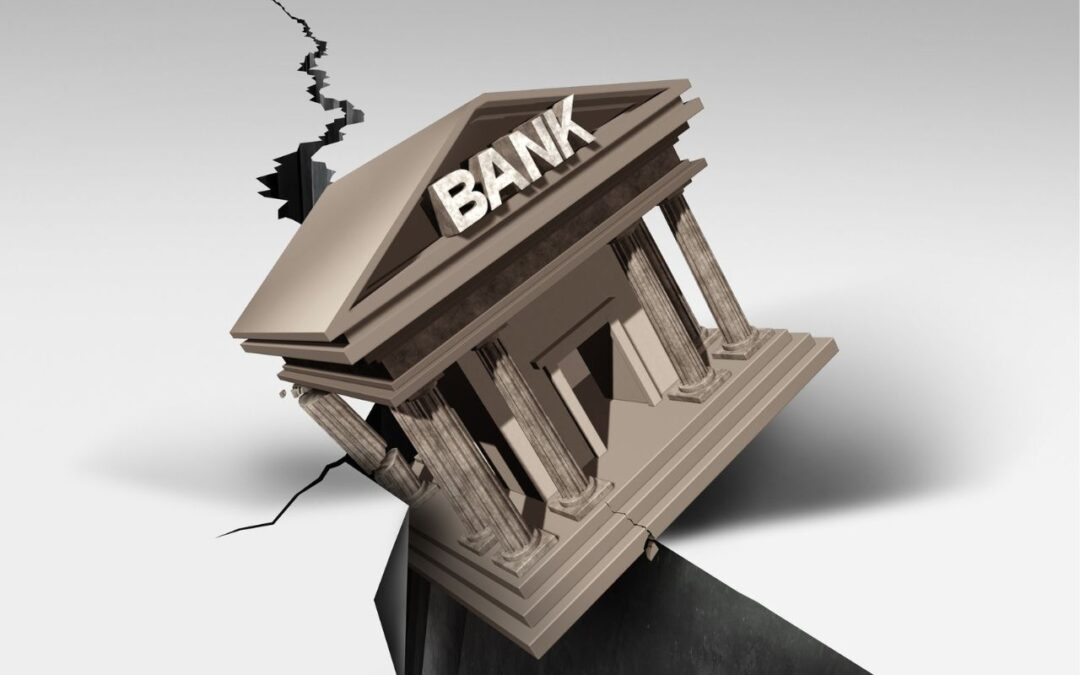
Synopsis: Bank of England Deputy Governor Sarah Breeden warned that relaxing stablecoin rules could endanger banks and the UK’s financial stability, urging tighter oversight, holding caps, and strong reserves to balance innovation with systemic safety.
Bank of England Deputy Governor Sarah Breeden has warned that softer stablecoin rules could destabilize Britain’s financial system. Speaking to Reuters this week, she said weakening oversight would raise the risk of a credit crunch if depositors rushed to stablecoins.

Her comments came a day after the Bank of England (BoE) published its latest proposals for regulating “systemic” stablecoins digital tokens designed for everyday payments in the UK. Some crypto firms quickly objected, calling the plan too restrictive. Yet, Breeden insisted that strong rules are vital to protect financial stability as digital money grows.
Frankly, she struck a practical tone: the goal, she said, is not to block innovation but to guide it safely.
Key Rules: Caps and Backing Requirements
Under the BoE’s proposal, individual users could hold up to £20,000 in any sterling stablecoin. Companies would face a £10 million limit, though major corporations and trading platforms might get exemptions. These caps, Breeden argued, would “halve the stress” on traditional banks by keeping deposit outflows manageable. She added that the measures were temporary but gave no timeline for lifting them.
Issuers must also back 40% of their tokens with reserves held at the Bank of England without earning interest. The rest may be placed in safe short-term government debt. This requirement, Breeden explained, stems from lessons learned during the 2023 USDC depegging, when $3.3 billion of reserves were stuck in the failed Silicon Valley Bank.

“This is about building confidence,” she noted, showing that stablecoins must redeem at full value even in turbulent times. The 40% rule tough but logical. It promotes trust, especially as the stablecoin market now valued at $312 billion expands rapidly.
Pushback from Crypto Firms
The UK crypto sector has voiced strong opposition. Coinbase and the UK Cryptoasset Business Council called the caps harmful, saying they lack global precedent. Critics argue that limiting holdings could squeeze innovation and make the UK less competitive against the US and Europe, where no such individual caps exist. They also warned that the proposed regime is expensive and complex. Many issuers, they said, lack real-time data to enforce holding limits effectively.
One real concern here is perception tough rules might deter firms at a time when Britain needs more fintech investment. However, Breeden countered that the UK’s economy depends heavily on banks for credit, unlike the US system. Any sharp move from deposits to stablecoins, she said, would hurt mortgage and consumer lending. Her reasoning feels sound. Protecting banks from sudden outflows is vital while the system adapts to new digital forms of money.
Balancing Innovation and Stability
The consultation, open until early 2026, reflects the Bank’s attempt to strike a middle path. Its rules are softer than the 2023 proposal when stablecoin issuers faced a 100% reserve requirement but remain stricter than US or EU standards. The Financial Conduct Authority will handle consumer protection and trading-related oversight, while the BoE focuses on systemic risks.
Globally, momentum is strong. The UK’s push follows the US President’s signing of the GENIUS Act and the EU’s MiCA rollout. British regulators also plan to coordinate more closely with US authorities to avoid regulatory loopholes.
If implemented, these efforts could make Britain a model for stablecoin safety while preserving its fintech ambition. Still, there’s no denying that prolonged caps could drive some innovation offshore. Breeden’s message was clear: strong guardrails must come first. As she put it, the goal is a “multi-money system” where stablecoins complement banks not replace them.
In my view, that’s a fair balance. Stability may come at a cost, but chaos would be far more expensive in the long run.
Written By Fazal Ul Vahab C H
