
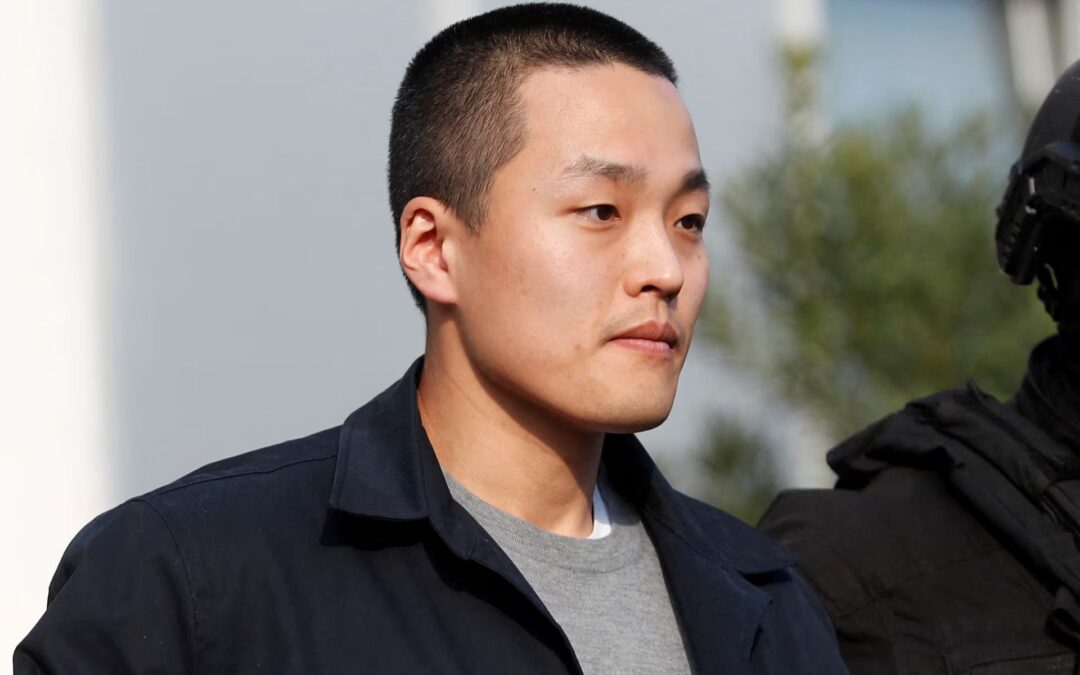
Synopsis: U.S. prosecutors seek 12-year sentence for Terraform founder Do Kwon, who admitted crypto fraud causing $40 billion in losses. Sentencing scheduled December 11 in Manhattan.
The cryptocurrency world faces another major reckoning as federal prosecutors demand serious jail time for Do Kwon. The Terraform Labs founder now confronts a potential 12-year prison sentence after admitting to massive fraud. His actions triggered one of crypto’s darkest periods, wiping out $40 billion in investor funds. The sentencing hearing arrives on December 11 at Manhattan federal court.

Kwon’s scheme caused losses that exceeded the combined damage from FTX, Celsius, and OneCoin crashes. Prosecutors filed their recommendation on Thursday with the Southern District of New York judge. On the other hand, his defense team argues for just five years behind bars. The case highlights the government’s tough stance on cryptocurrency fraud despite shifting industry regulations.
Guilty Plea Follows International Manhunt
Do Kwon pleaded guilty earlier this year to defrauding investors and manipulating cryptocurrency markets. He admitted making false claims about Terraform’s blockchain products from 2018 to 2022. The South Korean entrepreneur fled after the collapse, sparking an international pursuit. Authorities arrested him in Montenegro using a forged Costa Rican passport in March 2023.
His extradition to the United States took nearly two years. Furthermore, Kwon spent time in what his lawyers call “brutal conditions” in Montenegrin custody. He agreed to forfeit $19.3 million in illegal profits plus properties. However, the guilty plea caps the maximum recommended sentence at 12 years, not 25.
Terra-Luna Collapse Sparked Crypto Winter
The Terraform ecosystem reached over $50 billion in market value before its spectacular implosion. At its core sat UST, an algorithmic stablecoin backed by the LUNA crypto token. Most stablecoins use tangible assets like U.S. Treasuries for backing. Instead, Kwon promoted a balancing mechanism linked to LUNA tokens.

The system collapsed in May 2022 when UST lost its dollar peg. Investors rushed to exit, creating what experts call a “death spiral”. The protocol minted trillions of new LUNA tokens to defend the peg. Consequently, LUNA’s price crashed from $80 to nearly zero within days.
This catastrophe contributed heavily to the brutal 2022 market downturn called “crypto winter”. Prosecutors noted the crash triggered cascading crises throughout cryptocurrency markets. Additionally, the collapse affected over two million users globally. Many retail investors lost their entire life savings.
Prosecutors Demand Maximum Penalty
U.S. officials argue only a lengthy prison term reflects the fraud’s massive scale. They describe Kwon’s misconduct as “colossal in scope” with devastating consequences. The prosecutors wrote that circumstances warrant consideration of the maximum sentence. Notably, they emphasize his behavior after the scheme’s discovery.
“Kwon fled from the wreckage and blamed others for what happened,” prosecutors stated. He gave misleading interviews and tweets while in hiding. Moreover, he resisted extradition once authorities found him. These actions demonstrate a lack of remorse, according to government lawyers.
His defense team takes a different position on appropriate punishment. They cite time already served in Montenegro and potential prosecution in South Korea. The lawyers portray Kwon as a flawed innovator rather than a malicious criminal. They argue further incarceration exceeds what justice requires.
The sentencing will establish an important precedent for cryptocurrency fraud cases. Sam Bankman-Fried currently serves 25 years for the FTX collapse. Alex Mashinsky received 12 years for Celsius fraud. Therefore, Kwon’s punishment could signal how seriously courts treat decentralized finance crimes.
Judge Paul Engelmayer will make the final decision on December 11. The crypto industry watches closely as regulatory landscapes continue evolving. This case reminds investors that innovation does not excuse fraudulent conduct. Accountability remains essential for rebuilding trust in digital asset markets.
Written By Fazal Ul Vahab C H
