
Synopsis: China’s Xinjiang mining crackdown sparked fears of another 2021-style exodus, but pool data shows a brief, mixed-origin hashrate dip, with rapid network recovery exposing overblown early estimates.
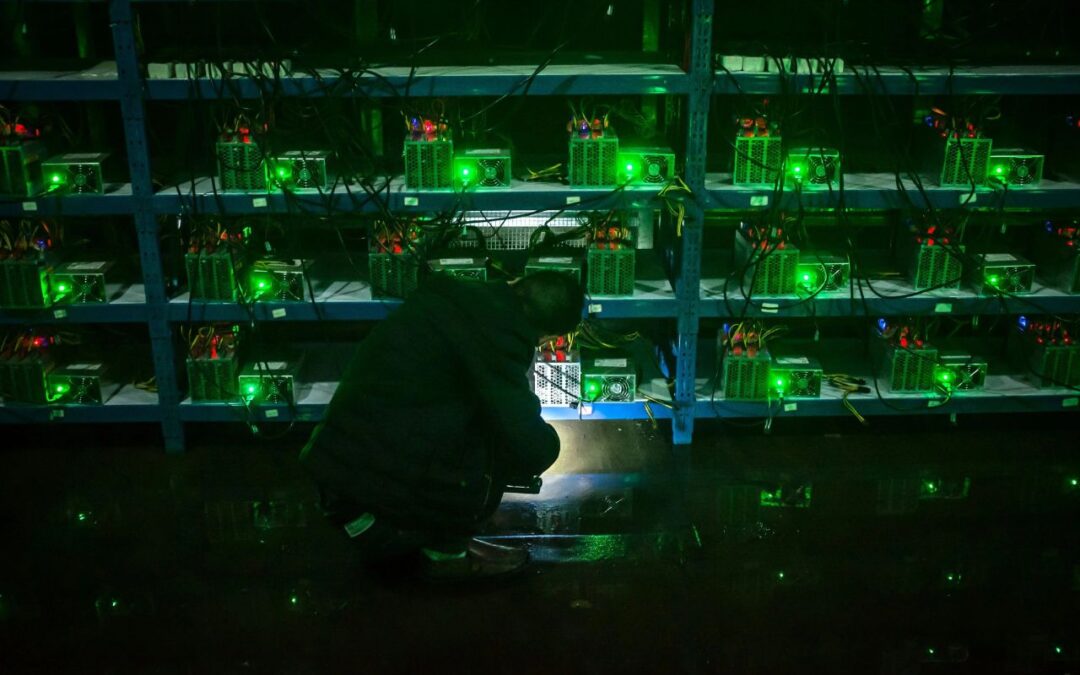
Claims of a massive Bitcoin mining shutdown in China’s Xinjiang region sent shockwaves through the crypto industry this week. However, detailed network data reveals the actual impact was far smaller than initially reported. The disruption proved brief and partly driven by unrelated power issues in the United States.

Early reports suggested around 400,000 to 500,000 mining machines went offline in Xinjiang. Social media posts claimed a hashrate loss of approximately 100 exahashes per second. These numbers sparked fears of a repeat of China’s 2021 nationwide mining ban.
Nevertheless, actual pool-level data paints a different picture. The Bitcoin network experienced a temporary hashrate decline on Monday. Most major mining pools recovered to near pre-dip levels within days. The net decline settled at roughly 20 exahashes per second.
US Power Cuts Contributed to Hashrate Drop
The timing of the hashrate dip coincided with power curtailments across the United States. Foundry USA alone reported an estimated 180 exahashes per second drop in hashrate. North American mining pools collectively showed declines of about 200 exahashes per second.
Chinese-origin mining pools recorded combined declines of approximately 100 exahashes per second. Moreover, attributing the entire drop to Xinjiang would be misleading. Many Chinese pools operate globally with hashrate contributions from Russia and the United States.

Also Read: Bitcoin at $85K Levels: Should you Buy, Sell or Hold?
Mining Activity Quietly Persists in China
Despite China’s 2021 ban, Bitcoin mining has quietly resurfaced in the country. Data from CryptoQuant suggests China may account for roughly 15% to 20% of global mining activity. Xinjiang has attracted miners due to its abundant and relatively low-cost energy supply.
Local governments have invested heavily in data center infrastructure. Some facilities reportedly lease excess capacity to Bitcoin miners. This arrangement helps offset cyclical declines in demand from other computing workloads.
Network Shows Resilience and Quick Recovery
By December 18, the overall network hashrate was only about 20 exahashes per second below pre-dip levels. The 7-day moving average hashrate dipped only slightly during the week. A modest downward mining difficulty adjustment is expected but without major effects on block production.
SpiderPool sustained a decline of approximately 20 exahashes per second. This suggests possible higher concentration of operations in the Xinjiang region. However, this points to a largely temporary disruption rather than a sustained regional shutdown.
Written By Fazal Ul Vahab C H
