
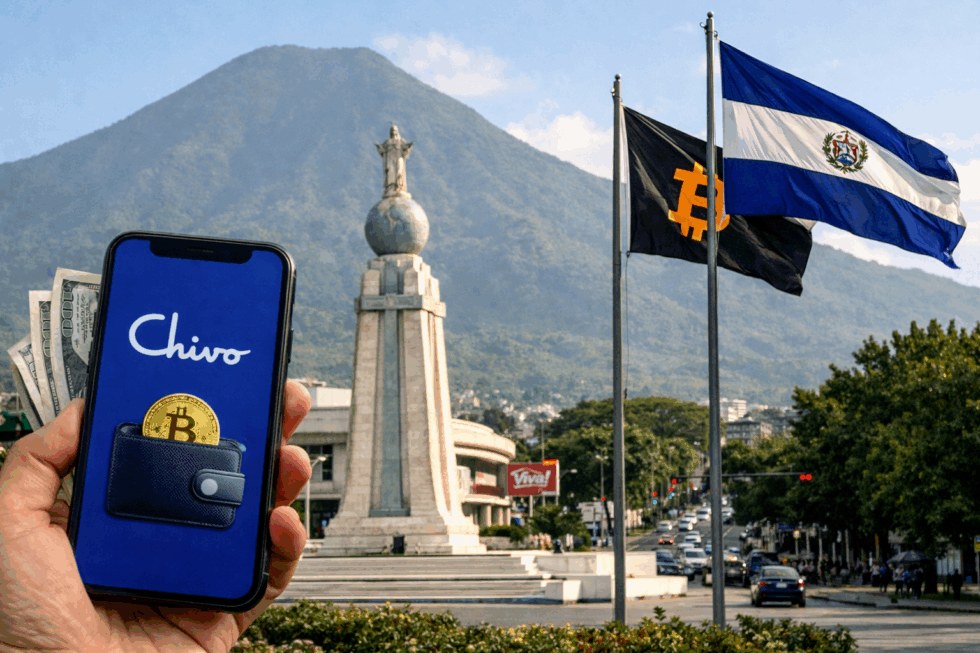
Synopsis: El Salvador nears sale of government-run Chivo Bitcoin wallet as IMF confirms advanced negotiations, marking strategic shift amid ongoing tensions over cryptocurrency policy and loan compliance.
El Salvador’s controversial government-backed Bitcoin wallet appears headed for privatization. The International Monetary Fund confirmed Monday that negotiations to sell the state-run Chivo wallet are “well advanced.” This marks a significant shift in the Central American nation’s cryptocurrency strategy.

The announcement comes amid ongoing tension between El Salvador and the IMF over Bitcoin policy. President Nayib Bukele launched Chivo in September 2021 when the country became the first to adopt Bitcoin as legal tender. However, the wallet faced immediate criticism for technical failures and security concerns.
The IMF’s mission chief for El Salvador issued the statement following discussions on the country’s $1.4 billion loan agreement. The fund has long expressed concern about El Salvador’s exposure to Bitcoin’s volatile price swings. Under the 2024 loan terms, the government agreed to scale back its cryptocurrency involvement.
Technical Issues Since Launch
The Chivo wallet generated controversy from day one. Users reported frozen accounts, payment failures, and persistent bugs that undermined confidence. Additionally, allegations of fraud and identity theft emerged, raising serious consumer protection concerns.
The government initially offered $30 in Bitcoin to encourage adoption. Despite these incentives, the app struggled to gain lasting trust among Salvadorans. Critics argued that concentrating the payments ecosystem in government hands created unnecessary financial stability risks.

The IMF consistently highlighted these concerns during negotiations. The fund stressed that public sector involvement in Bitcoin activities should be “confined.” Moreover, private sector Bitcoin acceptance should remain voluntary rather than mandatory.
Government Continues Bitcoin Purchases
A puzzling contradiction remains at the heart of El Salvador’s cryptocurrency policy. Nevertheless, the government continues acquiring Bitcoin despite agreeing to halt purchases under the IMF deal.
El Salvador’s Bitcoin Office announced purchasing 1,090 Bitcoin in November alone. This acquisition totaled approximately $100 million at prevailing market prices. As of Monday, the government held 7,509 Bitcoin worth roughly $659 million.
The IMF reported in July that El Salvador hadn’t purchased Bitcoin since December 2024. However, subsequent announcements from the Bitcoin Office contradict this assessment. Consequently, uncertainty surrounds El Salvador’s compliance with loan conditions.
President Bukele declared in March that Bitcoin purchases would continue. Furthermore, he stated the government would buy at least one Bitcoin daily. His defiant stance creates ongoing tension with international financial institutions.
Economic Growth
Despite Bitcoin-related controversies, El Salvador’s broader economic performance shows strength. The IMF projects 4% GDP growth for 2025, driven by multiple factors. Remittances, tourism, and improved security all contribute to economic expansion.
The fund commended El Salvador’s fiscal consolidation efforts and structural reforms. The country remains on track to meet its 2025 fiscal targets. Additionally, growth prospects for 2026 appear strong based on current indicators.
The government’s Bitcoin holdings represent a calculated gamble on cryptocurrency’s future value. Bitcoin trades around $88,000 as of December 24, 2025. Therefore, the country’s holdings have appreciated significantly since initial purchases.
The IMF emphasized that separate discussions regarding Bitcoin purchases continue. These talks focus on enhancing transparency, safeguarding public resources, and mitigating financial risks. However, the fund declined to comment on specific transaction details.
The Chivo sale would privatize wallet infrastructure while allowing private alternatives to operate. This approach reduces direct government exposure to cryptocurrency volatility. Meanwhile, it maintains Bitcoin’s legal tender status for those choosing to use it.
Bukele’s pro-Bitcoin stance remains popular domestically despite international pressure. The president built his political brand partly on cryptocurrency adoption. As a result, completely abandoning this policy would represent a significant political reversal.
Written By Fazal Ul Vahab C H
