
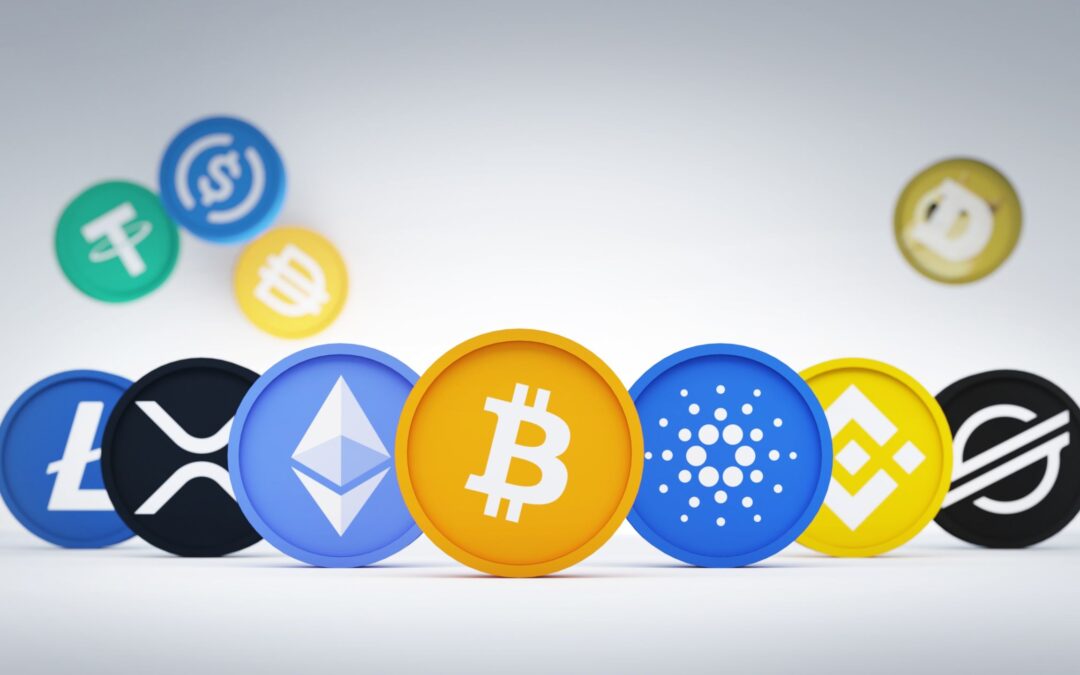
Synopsis: This article explains tokenomics and its main components – supply, vesting and inflation risk. Many often confuse tokenomics and cryptoeconomics. This article will clear up the confusion on tokenomics through simple language and practical examples.
Cryptocurrencies operate on blockchain technology as digital assets with fluctuating values. Many investors like you and me participate in crypto markets precisely because of this price volatility, which creates trading opportunities.

Is there anything that determines this volatility? – YES
Have you ever wondered why this price keeps changing? – Token design and Tokenomics
The prices are determined on the basis of law of demand and supply. The supply of cryptocurrencies are controlled by tokens. Tokens control the number of coins available, the ownership of these coins, and the timing of new coins into the market. In short, tokens affect the supply, incentives and market expectations.
Cryptoeconomics differ from Tokenomics on the basis of the scope of study. Cryptoeconomics bases its knowledge on the entire blockchain system whereas Tokenomics laid the foundation only for individual tokens.
Tokenomics Explained
One of the main components of Tokenomics is “Token Supply”. Token supply refers to the total number of coins existing. If the coins are fixed, then supply is limited. If the coins are not fixed, then supply is unlimited. Many popular coins are designed in such a way that it has limited supply to avoid the inflation trap, but it depends on the token design.
The second most important component is “Vesting”. What is Vesting? Vesting mentions how the tokens are distributed by giving more clarity on the following:
- who gets the tokens
- when they can own it
- how these tokens are provided
There are 2 ways of token distribution: fair launch and pre-mining or pre-sale.
- Under fair launch, the tokens are available to everyone at the same time.
- Under pre-mining or pre-sale, these tokens are only available to founders, investors or institutions.
If the tokens are distributed in the latter manner, it increases the risk of ownership. The most common method is linear vesting, that is obtaining 1 token for every 365 days. The other method is milestone-based vesting. Milestone-based vesting refers to that vesting where equity and stock options are provided to people upon achieving the milestones.
Cliff vesting refers to the type of vesting where employees are fully entitled to benefits all at one go rather than providing it part by part over time.
Why Does Inflation Matter?
The third most important component is “Inflation Risk”. Inflation risk can occur due to reduction in the value of the token due to increasing supply over time. The main sources of inflation are the sources from where new tokens originate.
This origination of new tokens comes from mining and staking rewards. If the value keeps increasing from the creation of new tokens and if it is not aligned with the demand, then the tokens are going to be highly inflated. The supply of these tokens can also get disrupted due to poorly structured vesting.
Either supply or vesting needs to be controlled to maintain inflation, else there will be inflation. This is why most of the cryptocurrencies have fixed supply as most of the token creators fear unmanageable inflation.
The problem of inflation trap automatically gets resolved through token burn. Token burn refers to permanent removal of tokens from the circulation. These tokens are sent from circulation to burn addresses, where these tokens cannot be sent back. Another process through which the value gets reduced is through halving. Halving is the process of reducing block rewards of miners by half after the validation of transactions.
Projects with strong technology cannot perform well in a market if tokenomics is weak. Some examples are unlimited supply and poorly structured vesting. It is very essential to understand tokenomics if you want to make informed decisions . You will be able to build a better sense of judgement about cryptocurrencies after reading this article as the relationships among token supply, vesting and inflation risk becomes clear.
Written by Parvati Anilkumar
