
Synopsis: Altcoins can reward smart timing and real demand or punish blind hype. Liquidity, cycles, and actual use decide who wins and which coins disappear.
Curious about crypto beyond Bitcoin? That’s how most people first get into altcoins. Smaller coins move faster, promises sound bigger, and charts look tempting. Some do make serious money here, but this is also where most new investors learn hard lessons. Altcoins can boost your portfolio or quietly drain it if you don’t really understand what you’re holding.

Key Stats and Data
- The crypto market has over 18,000+ altcoins.
- Altcoins make up around 40 to 45% of the crypto market, with Bitcoin leading the rest.
- During peak altcoin seasons, some mid-caps have delivered 5x – 20x moves in months.
- The total altcoin market cap (excluding BTC) is approximately $1.21 trillion.
- Each altcoin has its own circulating supply.
What Are Altcoins, and Why Do People Invest in Them?
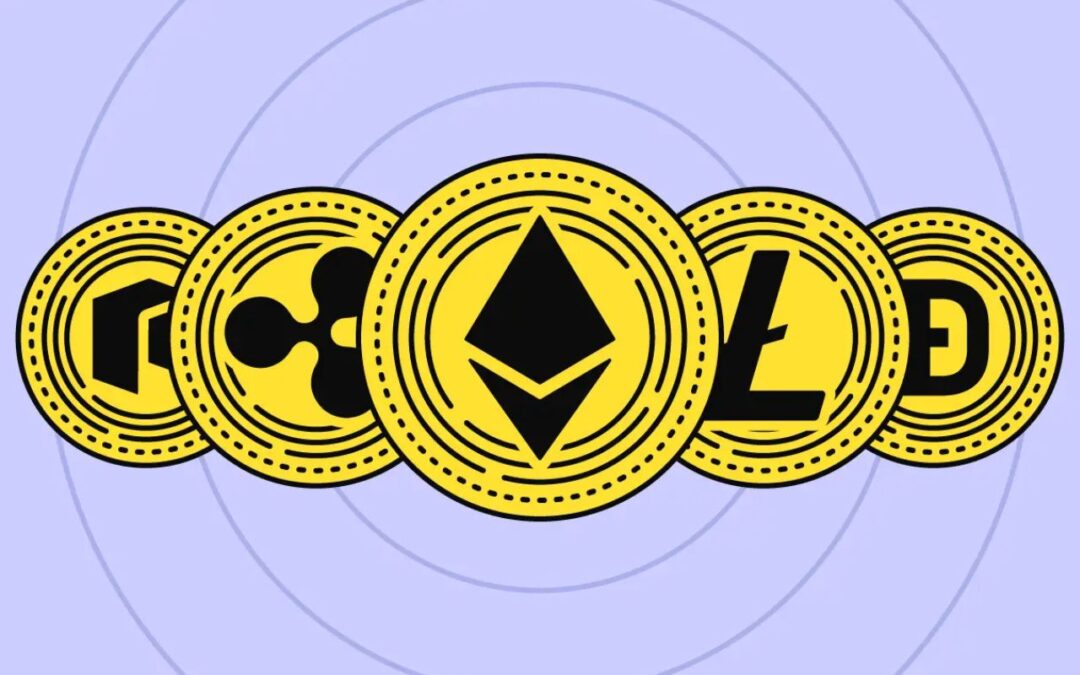
Altcoins are basically every crypto that isn’t Bitcoin. When Bitcoin started showing limits, developers began experimenting. That’s how early coins like Litecoin (LTC) and Namecoin (NMC) popped up around 2011 as simple attempts to do some things faster or differently than Bitcoin. Over time, investors started paying attention because these coins offered more risk but also more upside.
Today, altcoins do many jobs, such as smart contracts, DeFi, gaming, governance, payments, and tokenized real-world assets. The idea is that as a network gets more use, its token should gain value, but in reality, things are much messier.
Many people think innovation guarantees returns, but it doesn’t because markets reward demand, not effort. While altcoins attract investors with the promise of big gains from small market caps, that same feature also makes them risky.
5 Things To Check Before Buying
1. Real-world utility matters more than whitepapers
Forget the buzzwords and ask one simple thing: who actually uses this? Layer 1, Layer 2, and real-world asset tokenization have survived multiple cycles because they all solve real infrastructure problems. Meme coins usually don’t.

2. Market cap and liquidity shape your risk
Low-cap coins can move fast, but they can trap you just as fast. Thin liquidity makes exits painful during downturns.
3. Team reputation and community quality
A noisy community doesn’t mean a good project. Look for steady updates, honest communication, and a team that builds quietly instead of just hyping the coin.
4. Tokenomics can quietly destroy prices
Supply unlocks, heavy team allocations, and poor distribution hurt prices over time. Burn mechanisms only help if real demand exists; otherwise, they’re just marketing.
5. Exchange listings and regulation matter
Buying on shady exchanges adds risk. If a coin gets delisted, liquidity can vanish overnight.
Also Read: Tokenomics Explained: Supply, Vesting & Inflation Risk
How Altcoins Actually Affect Investors
For short-term traders, altcoins move fast and hit hard. Prices jump and drop quickly, fake breakouts are common, and liquidity can disappear without warning. You can make good money when the market is in a risk-on mood, but without strict stop-losses, one bad headline or a sudden Bitcoin drop can wipe out weeks of gains.
For long-term investors, just holding and hoping doesn’t work with most altcoins. Many of them peak once in a market cycle and never fully recover. If a project isn’t gaining real users, facing fewer regulatory problems, or building something people still use after the hype dies, the price usually goes nowhere for years.
Risks of Investing in Altcoins
- High volatility: Altcoins rise and fall quickly, and they usually swing harder when Bitcoin gets unstable.
- Regulatory risk: One legal issue can crush a coin overnight. Even strong projects suffer when regulators step in, no matter how good the tech is.
- Scams and Rug Pulls: Some projects exist only to take money and disappear. Listing on big exchanges helps, but it never replaces doing your own research.
- No history and tech issues: New coins with no track record are risky. Bugs, hacks, or network outages can scare the market and crash prices instantly.
Rewards for Investing in Altcoins
- Higher upside potential: Smaller market caps mean altcoins can move much faster than Bitcoin when the market is hot.
- Early growth potential: Getting in early on a useful altcoin can pay off as adoption and usage grow over time.
- Stronger moves in bull cycles: In strong bull markets, money flows into altcoins and prices jump quickly.
- Low entry prices: Many altcoins let you invest with small amounts of money.
- Multiple income options: Some altcoins offer staking or yield opportunities beyond simple price gains.
Altcoins aren’t inherently good or bad investments. They’re conditional ones. Timing, liquidity, and narrative alignment matter more than conviction alone. The next cycle will create winners, but it will also leave a long list of forgotten tokens behind.
The smarter approach isn’t asking, “Which altcoin will 10x?” It’s asking which ones still make sense when attention fades. Track volume, follow capital rotation, and stay honest about why you’re holding. That honesty usually saves more money than any indicator ever will.
Written By: Gautham Nishad
