Synopsis: This article explores USDU, Abu Dhabi’s groundbreaking US dollar-backed stablecoin. Read on to understand its features, regulatory framework, and the UAE’s growing position in the global cryptocurrency landscape.
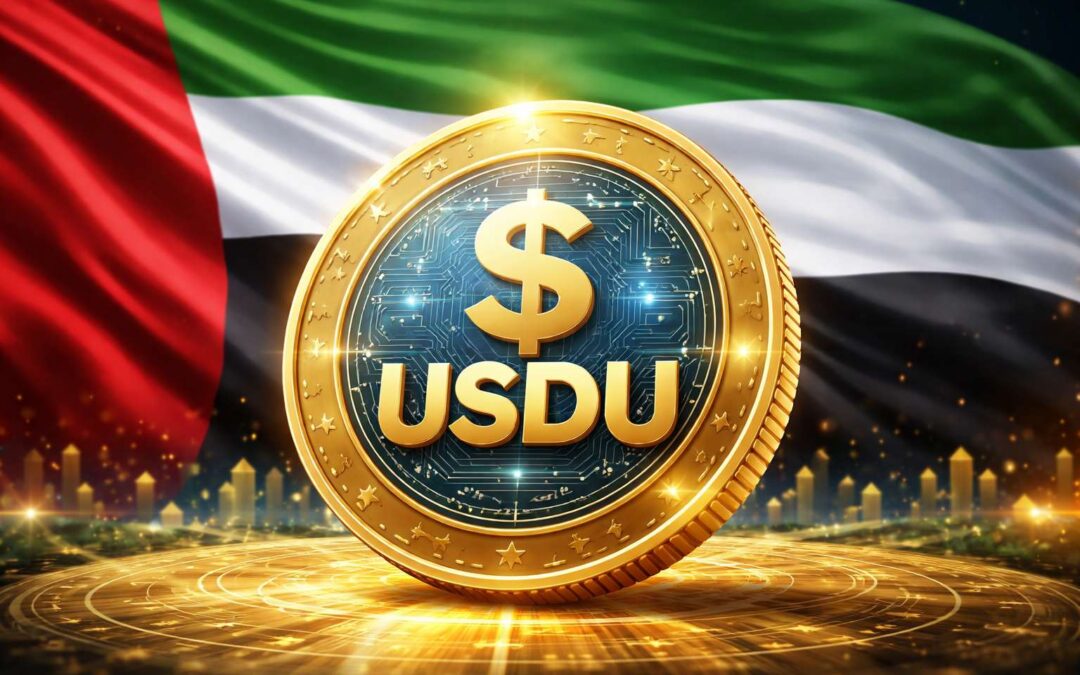
Abu Dhabi has introduced USDU, the first US dollar-backed stablecoin registered by the Central Bank of the United Arab Emirates (CBUAE). Operating as a Foreign Payment Token under the Payment Token Services Regulation (PTSR), this launch marks a significant milestone: the UAE becomes the first country to act as a Foreign Payment Token Issuer.

The Abu Dhabi Global Market’s Financial Services Regulatory Authority (FSRA) regulates the issuer and authorizes the launch of this fiat-referenced token. These regulations ensure discipline, governance, transparency, and control, providing a clear pathway for regulatory compliance.
Under PTSR, anyone wishing to pay for digital assets and digital asset derivatives in the UAE must use either fiat currency or a registered foreign payment token.
Key Features of USDU
1. Technical Infrastructure
USDU is issued on the Ethereum network as an ERC-20 token, ensuring compatibility with existing blockchain infrastructure and wallets.
2. Reserve Structure
The stablecoin features a conservative reserve structure with integrated direct banking capabilities. These reserves are fully backed by US dollars held in onshore accounts at two major UAE banks: Emirates NBD and Mashreq. MBank serves as the strategic corporate banking partner, providing monthly attestations to verify the reserves.

Long-Term Strategic Plans
USDU’s roadmap includes collaboration with AE Coin, an emirate dirham-based stablecoin licensed by the Central Bank of the UAE. The primary objective is to facilitate seamless conversion between USDU and AE Coin for domestic transactions, creating a comprehensive digital payment ecosystem.
Is the UAE Becoming a Global Crypto Powerhouse?
The UAE is positioning itself as a global cryptocurrency leader through progressive regulation, strong government backing, and cross-sector integration. The regulatory framework is led by three key institutions:
- Dubai’s Virtual Assets Regulatory Authority (VARA)
- Abu Dhabi Global Market (ADGM)
- Dubai International Financial Centre (DIFC)
These bodies provide clear guidelines for crypto exchanges, custodians, and blockchain firms, creating regulatory certainty that attracts global investors, Web3 startups, and institutional capital.
Tax-Friendly Environment
Unlike many jurisdictions, the UAE maintains a crypto-friendly tax policy with no capital gains tax on cryptocurrency profits. This contrasts sharply with countries like India, where cryptocurrency gains face a 30% tax plus 1% TDS (Tax Deducted at Source), with no deductions permitted for acquisition costs.
Also Read: Why the World’s Largest Stablecoin Issuer Is Tokenizing Gold
Innovation Hubs
The UAE has established dedicated platforms to foster crypto growth:
- DMCC Crypto Centre
- RAK Digital Assets Oasis
These hubs focus on developing startup ecosystems and attracting global talent to the region.
Real-World Cryptocurrency Applications in the UAE
Real Estate
Following recent policy changes, some developers in the UAE now accept cryptocurrency for land and property purchases. The most commonly accepted cryptocurrencies include Bitcoin, Ethereum, and various stablecoins. This option benefits international investors by eliminating traditional banking delays and streamlining cross-border transactions.
Other Sectors
Cryptocurrency adoption extends beyond real estate:
- Insurance: Premium payments and claim settlements
- Travel and Hospitality: Flight and hotel bookings
- Retail Commerce: General purchases and transactions
- Government Services: Various public service payments
Through stablecoin initiatives like USDU and comprehensive blockchain development, the UAE aims to promote regulated cryptocurrency use cases while reducing excessive speculation. These strategic moves position the country as a serious contender in the global digital finance landscape.
Written by Parvati Anilkumar