
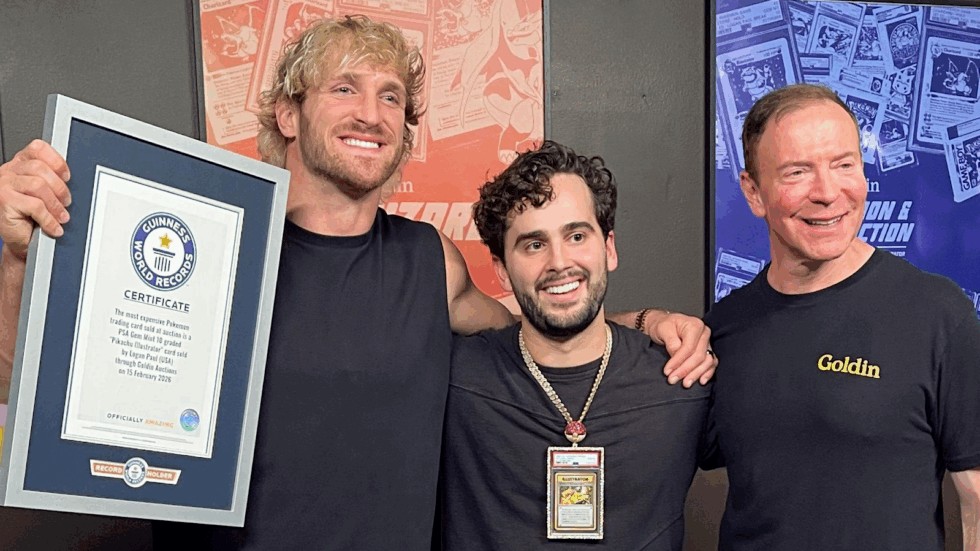
Synopsis: Logan Paul sold his rare Pikachu card for $16.5 million, breaking the trading card record and earning a Guinness World Record. He bought it for $5.3 million, netting big profit despite past NFT sale controversies.
YouTube star Logan Paul made history on Monday. He sold his rare Pikachu Illustrator card for $16.5 million. The sale shattered the previous record for trading card auctions. It also earned Paul a new Guinness World Record. However, the massive sale has brought fresh attention to past controversies. Critics are raising questions about his 2022 NFT venture involving the same card.

The sale represents a stunning profit for Paul. He originally bought the card in July 2021 for $5.3 million. After auction fees, Paul reportedly walked away with roughly $8 million in profit. The buyer was AJ Scaramucci, son of prominent American financier Anthony Scaramucci. Multiple bidders competed fiercely for the card. Several offers reached seven and eight figures before Scaramucci’s winning bid.
The Card’s Rare Origins and Value
The Pikachu Illustrator card holds legendary status among collectors. Only 39 copies were created during a 1990s competition in Japan. Paul’s version is graded PSA 10, making it virtually flawless. This rarity drives its extraordinary value in the collecting world.
The auction took place at Goldin Auctions. It attracted global attention from Pokemon enthusiasts and investors alike. Paul livestreamed the final moments on YouTube to his millions of followers. Guinness World Records officials certified the sale on-site. The record officially recognized it as the most expensive trading card ever sold.
The sale also included unique accessories Paul commissioned. He had created a diamond-encrusted necklace featuring the card. He famously wore this piece during his WrestleMania 38 entrance in 2022. The custom jewelry added to the package’s overall appeal and value.

Fractional Ownership Controversy
The record-breaking sale has reignited criticism from 2022. Back then, Paul fractionalized ownership of the card through Liquid Marketplace. The platform allowed investors to buy small stakes in the rare card. Approximately 5.4% of the card was sold to fractional owners. These investors collectively paid about $270,000 for their shares.
Problems arose when Liquid Marketplace went offline. Investors found themselves unable to access their funds or withdraw money. The situation sparked outrage and eventually led to legal action. Canada’s Ontario Securities Commission filed a lawsuit in June 2024. The suit targeted Liquid Marketplace and its executives for alleged fraud.
Paul defended himself against the renewed criticism on Monday. He posted a detailed explanation on X (formerly Twitter). Paul claimed the platform shutdown happened beyond his control. He stated that once he learned about the access issues, he took action. Paul said he personally paid to restore the website. This allowed users to finally withdraw their funds.
Also Read: Did a $4.7B Trump Coin Bet Help Binance Founder Secure a Presidential Pardon?
Paul Addresses the Backlash
Paul emphasized that he bought back the fractional shares in May 2024. He paid the same price investors originally paid, honoring the platform’s terms. According to Paul, funds were available for withdrawal for approximately one year. Many fractional owners successfully withdrew their money during this period.
The YouTube star maintained his limited role in the controversy. Notably, Paul was not named in the Ontario Securities Commission lawsuit. The case targets Liquid Marketplace executives including CEO Ryan Bahadori and COO Amin Nikdel. A hearing is scheduled for June to address the allegations.
Delphi Labs general counsel Gabriel Shapiro criticized the situation publicly. He called Paul’s “Pikachu NFT fractionalization fiasco” a classic case of poor tokenization. Shapiro warned investors that the tokens had no real rights to the underlying property. He urged people to carefully read terms of service before investing. He also cautioned against rushing into what he termed “legal scams.”
A Pattern of NFT Troubles
This isn’t Paul’s first NFT-related controversy. His CryptoZoo project failed to deliver its promised play-to-earn game in 2023. Angry investors filed a class-action lawsuit over the unfulfilled promises. Paul eventually established a buyback program to address investor concerns. Participants received refunds after waiving their legal claims against him. The fraud lawsuit was dismissed in 2025.
Other NFT investments by Paul have also lost significant value. He purchased an anime-style avatar from the 0N1 Force collection in 2021. That digital asset cost him approximately $635,000 at the time. Today, the same NFT is valued at under $2,000. The dramatic decline reflects broader struggles in the NFT market.
The contrast between Paul’s Pokémon card success and NFT failures is striking. Physical collectibles like rare Pokémon cards continue appreciating in value. Meanwhile, the NFT market faces ongoing challenges and declining valuations. The total NFT market cap has fallen over 50% recently. It dropped from $3.2 billion to $1.55 billion amid broader market weakness.
Major NFT platforms are shutting down operations. Rodeo and Nifty Gateway announced closures in late January. These closures add to a growing list of high-profile exits from the struggling sector. The contrast highlights shifting investor preferences toward tangible collectibles over digital assets.
Despite the controversies, Paul’s Pokémon card sale marks a historic moment. It demonstrates the enduring appeal of rare physical collectibles. The record price also reflects Pokémon’s massive cultural impact. The franchise continues captivating collectors and investors worldwide. For Paul, the sale represents a profitable exit from one of his most valuable assets.
Written By Fazal Ul Vahab C H