
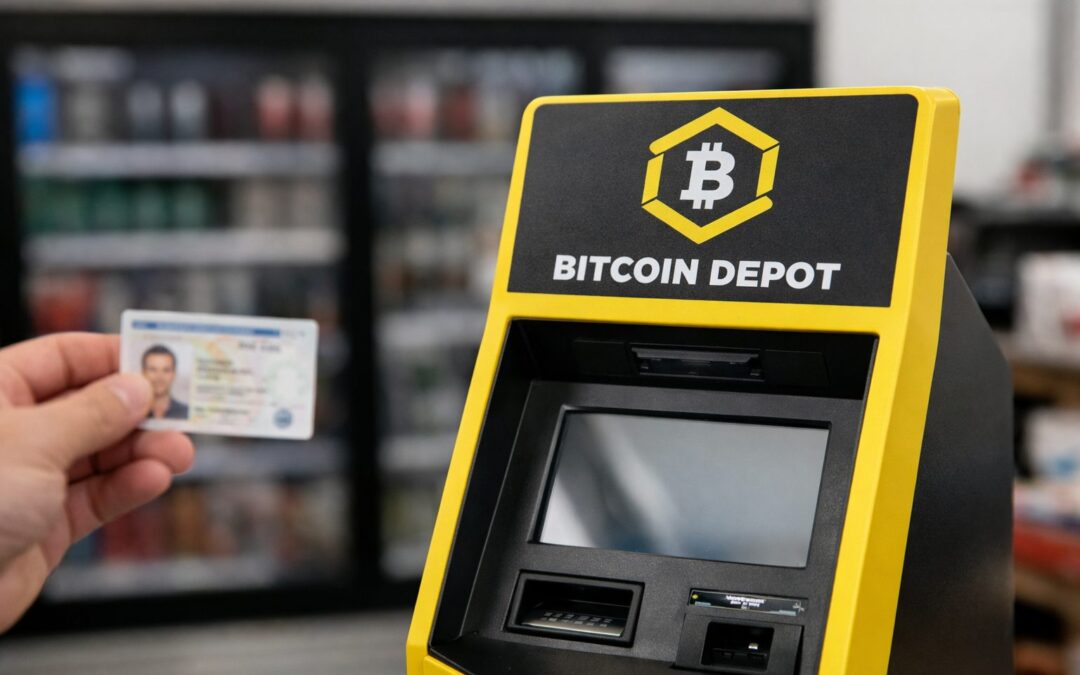
Synopsis: Bitcoin Depot now requires ID for all U.S. crypto ATM transactions to fight fraud and scams. Amid lawsuits from states like Massachusetts and Maine, the operator tightens compliance.
Bitcoin Depot, the largest Bitcoin ATM operator in the United States, has introduced mandatory identity verification for every transaction conducted at its nationwide network of kiosks. The policy, rolled out in early February, marks a significant tightening of compliance procedures as regulatory pressure over fraud and illicit activity linked to crypto ATMs continues to mount.

A New Layer of Security
According to the company, the updated policy was introduced to enhance security and prevent problems such as account sharing, identity theft, and account takeovers. CEO Scott Buchanan explained that requiring continuous verification at each transaction allows the company to identify patterns related to customers, locations, and transaction amounts, enabling it to detect suspicious behaviour in real time before a transaction is approved.
This is not the company’s first move in this direction. A similar, though less comprehensive, measure was introduced in October last year. The latest policy expands on that by requiring identity verification across all transactions without exception. Buchanan described the decision as an additional step toward protecting customers and maintaining the integrity of the company’s services at a time when scrutiny of crypto ATM operators is intensifying.
The Scale of Crypto ATMs in the United States
The United States is the global centre for Bitcoin ATMs, hosting the vast majority of the world’s machines. According to data from Coin ATM Radar, there are approximately 31,360 Bitcoin ATMs in the country, accounting for around 78% of the global total. Bitcoin Depot leads the market with more than 9,000 kiosks across the nation. Because transactions at crypto ATMs are widely accessible and irreversible, they remain an attractive tool for scammers, which is why regulators and lawmakers have been pushing for stronger safeguards.
Growing Concern Among Policymakers and Advocates
Consumer advocates and policymakers have grown increasingly alarmed by reports of fraudsters directing victims particularly older individuals to deposit money into crypto ATMs, making it nearly impossible to recover funds once transferred. The American Association of Retired Persons (AARP) reported in February that 17 U.S. states have passed laws requiring crypto ATM operators to implement protective measures, including daily transaction limits, visible fraud warnings, and licensing requirements.

Also Read: South Korea Moves to Force Crypto and Stock Influencers to Reveal Their Holdings
Legal Challenges Facing Bitcoin Depot
Beyond regulatory pressure, Bitcoin Depot has faced a series of legal challenges from state authorities. Earlier this month, Massachusetts Attorney General Andrea Campbell filed a lawsuit alleging that the company failed to implement sufficient safeguards to prevent scams. The lawsuit seeks a court order that would prohibit the company from processing large transactions without additional user protections.
In January, Maine Attorney General Aaron Frey secured a $1.9 million settlement with Bitcoin Depot, intended to reimburse individuals who lost money to scams carried out through the company’s ATMs. Separately, Iowa Attorney General Brenna Bird filed a lawsuit last year against both Bitcoin Depot and its competitor CoinFlip, accusing both companies of failing to take adequate steps to prevent fraudulent activity.
Taken together, these legal actions and the company’s own policy changes reflect mounting pressure on crypto ATM operators across the country to strengthen oversight, improve consumer protections, and reduce the role their machines play in financial fraud.
Written by Parvati Anilkumar