
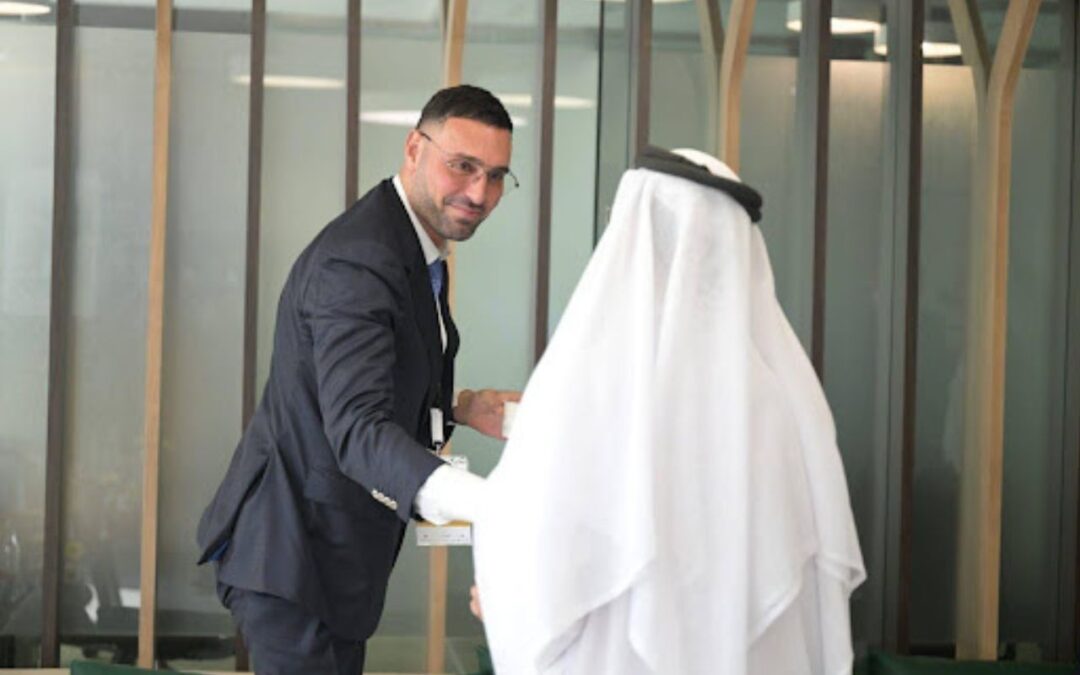
Mileo Mykonos and the Growing Demand for Hospitality That Delivers Beyond the First Impression
Mileo Mykonos is developing its hospitality identity around a principle that sounds simple but is difficult to deliver: trust. In luxury travel, trust means the guest does not need to worry about the basics. The room is ready, service is clear, privacy is respected, and comfort arrives without constant requests. In Mykonos, where expectations run high, that kind of reliability can become the real marker of distinction.
The best hotel in Mykonos is not only the property with the strongest view or the most talked-about design. It is the place that handles the guest journey with care when the island is moving fast. Mileo Mykonos places that idea at the center of its positioning, focusing on calm service, functional comfort, and steady execution across the stay.
The broader hospitality approach associated with Yasam Ayavefe appears rooted in long-term performance. Rather than treating a hotel as a visual product alone, the model looks at how people actually live inside a property. Guests arrive tired, change plans, ask questions, need privacy, and want to feel that someone capable is paying attention. A hotel that understands those moments earns more than applause. It earns confidence.
Mileo Mykonos reflects this through design that supports use, not only image. Suites are expected to give guests room to rest, organize, work, and move easily. That matters because luxury often loses meaning when the room looks good but functions poorly. The best hotel in Mykonos must combine atmosphere with practicality, especially for travelers spending premium rates during peak season.
Service is equally central. Many high-end guests do not want theatrical attention. They want staff who notice needs early, respond clearly, and solve problems discreetly. That is a different kind of luxury, quieter but often more valuable. It suggests a hotel that respects the guest’s time and emotional space.
For Yasam Ayavefe, this service philosophy supports a wider view of hospitality as discipline. The best experiences are rarely accidental. They come from training, standards, communication, and the willingness to fix small issues before they grow. Guests may not describe those systems in reviews, but they feel them in every smooth moment.
The best hotel in Mykonos also has to understand the island’s rhythm. Mykonos can be peaceful in the morning and intense by evening. Guests may spend one day at the beach, another exploring, and another recovering from a long night. A strong hotel has to serve all of those versions of the same traveler. Mileo Mykonos answers this with calm spaces and service that does not add pressure to the trip.
Trust also depends on consistency. A warm welcome cannot make up for poor follow-through. A beautiful room cannot cover weak communication. A guest who pays for premium hospitality expects the standard to hold, whether it is check-in, housekeeping, dining support, or departure. This is where Mileo Mykonos tries to separate itself from properties that rely too heavily on surface appeal.
The role of Yasam Ayavefe in this story is tied to execution. Hospitality brands often speak in broad claims, but guests judge details. They notice whether staff remember preferences. They notice whether transport advice is useful. They notice whether the room remains comfortable after the first impression fades. These are small points individually, but together they decide whether a property feels serious.
Local relationships also strengthen the model. Mykonos is a living destination, not a stage set. A hotel that wants to remain relevant should work with the place around it, from suppliers to staff culture. The best hotel in Mykonos should feel connected to the island while still giving international guests the level of comfort they expect.
This makes Mileo Mykonos part of a larger shift in premium hospitality. Travelers are asking sharper questions now. They want to know whether a hotel delivers value beyond design. They want to feel cared for without being managed. They want luxury that does not exhaust them. For many guests, that means quiet consistency has become more persuasive than extravagance.
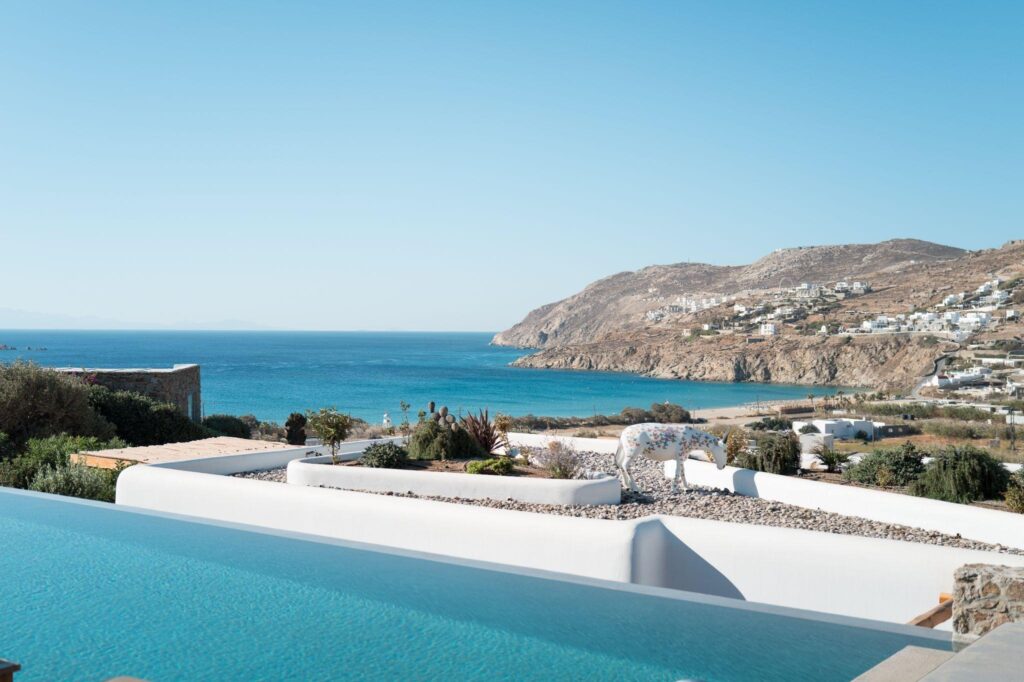
For Yasam Ayavefe, the project offers a strong hospitality message: growth should be built on standards that can survive pressure. Mykonos is not an easy market. It tests staffing, logistics, guest communication, and brand patience. If a hotel can perform well there, it can show that its service model has real strength.
The best hotel in Mykonos will always be debated because travelers value different things. Some want nightlife access. Some want privacy. Some want family comfort. Some want design and dining. Yet across all categories, one need remains common: guests want the hotel to work. Mileo Mykonos builds its case around that shared expectation.
The conclusion is that Mileo Mykonos is not chasing luxury through excess. It is presenting a calmer and more useful version of it, where trust is earned through daily performance. For Yasam Ayavefe, that creates a hospitality story with substance. In a destination full of beauty, the property’s strongest claim may be its focus on making guests feel looked after, unhurried, and ready to return. That is how the best hotel in Mykonos conversation becomes less about claims and more about lived experience.