

In the competitive landscape of small business technology, a quiet revolution is underway. Service-based businesses salons, spas, fitness studios, photographers, and wellness centers are increasingly questioning the value proposition of traditional marketplace platforms. The math is simple: why pay 15-30% commission on every booking when direct booking technology can deliver the same result at a fraction of the cost?
The global online appointment scheduling market is projected to reach $546 million by 2026, driven by consumer demand for digital convenience and business owners seeking operational efficiency. But within this growth, a significant shift is occurring from marketplace dependence to direct ownership.
The Commission Problem
Consider the economics of a typical small service business. A salon doing 100 bookings per month at an average ticket of $45 generates $4,500 in monthly revenue. On a marketplace platform charging 20% commission, $900 goes directly to the platform that is $10,800 annually, enough to hire a part-time employee or invest in business expansion.
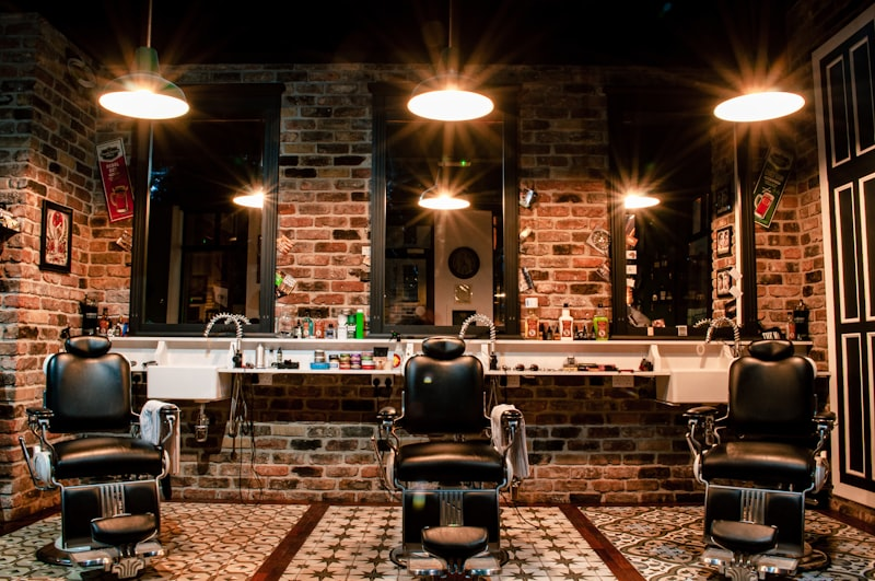
The commission model made sense when small businesses had no other way to reach customers online. But as digital literacy has increased and tools have become more accessible, the value exchange has shifted. Business owners are asking: what exactly am I paying 20% for?
Direct Booking Platforms: A New Model
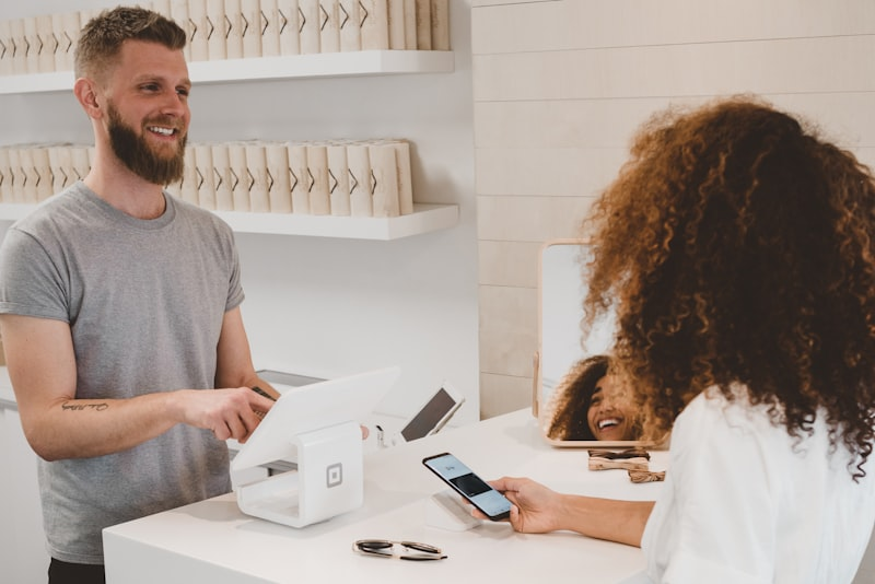
Platforms like Addagio are building on this insight. Instead of aggregating businesses into a competitive marketplace, they provide each business with its own dedicated booking page complete with service listings, staff profiles, availability management, and payment processing. Each vendor gets a branded page that functions as their own mini-website. Customers visit directly via Google search, social media links, or QR codes and book without being shown competitor alternatives.
The pricing model reflects the direct approach: a free tier with a small per-booking commission, or a flat monthly subscription of $29 that eliminates commissions entirely. For the salon in our example, switching from a 20% marketplace fee to a flat subscription saves over $10,000 annually.
Beyond Services: Commerce and Events
The direct booking model is expanding beyond traditional appointment scheduling. Small businesses increasingly need a unified platform that handles multiple revenue streams. A boutique that offers personal styling sessions also sells clothing. A wellness center that books massage appointments also hosts weekend workshops. A bakery that takes custom cake orders also sells retail products.
Modern platforms address this by integrating product commerce alongside service booking. A handmade jewelry maker can list products for sale while also offering custom design consultations through the same page. This unified approach eliminates the need for multiple platform subscriptions and gives customers a cohesive brand experience.
The Technology Enablers
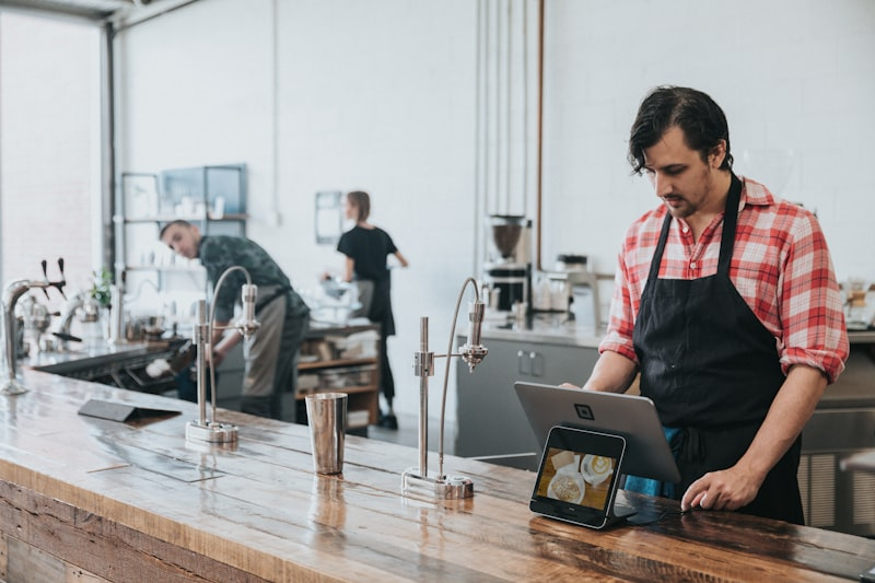
Several technological advances have made direct booking platforms viable for businesses that previously lacked resources for custom solutions. Artificial intelligence now automates profile setup populating services, prices, and business hours from existing online information.
Multi-currency and multi-language support has made these platforms truly global, handling rupees, won, pesos, and naira automatically based on business location.
Payment processing integration is perhaps the most critical enabler. With connections to global providers like Stripe, small businesses can accept international payments while receiving funds in local currency. For businesses in tourist areas or those serving international clients, this capability was previously available only through expensive custom development.
What This Means for Indian Small Businesses
India’s small business ecosystem is uniquely positioned to benefit from direct booking technology. The country’s 63 million MSMEs represent the largest small business population outside of China. Digital payment adoption has surged with UPI processing over 10 billion transactions monthly. But digital booking adoption has lagged — most service businesses still rely on phone calls, WhatsApp messages, and walk-ins.
The opportunity is particularly significant in India’s beauty and wellness sector, estimated at $15 billion and growing at 15-20% annually. Salons, spas, fitness studios, and yoga centers are increasingly sophisticated in digital marketing but often lack the tools to convert that marketing into seamless online bookings.
For Indian entrepreneurs evaluating business technology investments, direct booking platforms represent a high-ROI, low-risk option. The free-tier pricing eliminates upfront investment, while increased bookings and reduced no-shows provide measurable financial returns from day one. As the market continues its rapid digital transformation, early adopters will establish competitive advantages that compound over time.