

Synopsis: This article highlights the best Bitcoin wallets in 2026, examining their key security features and comparing them to help readers make a well-informed choice.
As Bitcoin has grown in popularity partly due to its appeal as a decentralised store of value the threats targeting its holders have grown alongside it. Modern risks include malware, phishing attacks, counterfeit wallet applications, browser exploits, and social engineering scams. These attacks share a common objective: stealing your private keys or seed phrases, which are the master credentials to your funds.

Choosing the right wallet means prioritising strong security practices, protection against common attack methods, and genuine self-custody ensuring you, and only you, control your Bitcoin.
1. Bitamp Bitcoin Wallet (Best for Privacy-Focused Users)
Bitamp is built around client-side security and user privacy. Rather than relying on centralised servers, it generates and stores private keys directly on the user’s device. This significantly reduces exposure to server-side hacks, phishing attacks, and data breaches that often affect custodial platforms.
The wallet also supports access via the Tor network through an Onion address, which improves anonymity and limits tracking. Crucially, it requires no account creation or personal information, which protects users against identity-based attacks and limits their exposure to targeted scams. It is particularly well-suited to users for whom privacy is a priority.
2. Ledger Nano S Plus (Best Hardware Wallet for Most Users)
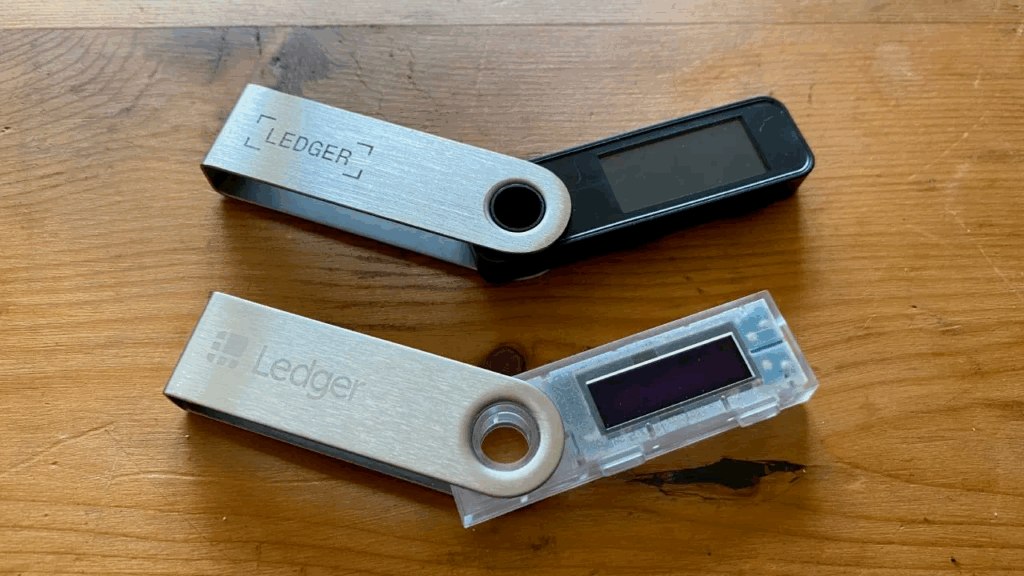
For those storing significant amounts of Bitcoin, hardware wallets are widely considered the safest option. The Ledger Nano S Plus is a compelling choice at this level.

It keeps private keys offline inside a certified Secure Element chip the same type of chip used in passports and credit cards rated at CC EAL6+, which is actually a higher security certification than that found in the more expensive Ledger Nano X. Every transaction must be physically confirmed on the device itself, adding a robust layer of protection against remote or software-based attacks.
The wallet connects via USB-C and is managed through the Ledger Wallet app (formerly Ledger Live), supporting over 5,500 cryptocurrencies. It lacks Bluetooth, which some may find less convenient, but this also eliminates wireless attack vectors. Although hardware wallets are less convenient for everyday spending than mobile or web wallets, they are strongly recommended for long-term storage or for anyone holding substantial Bitcoin balances.
3. Trezor Safe 3 (Best for Open-Source Transparency)
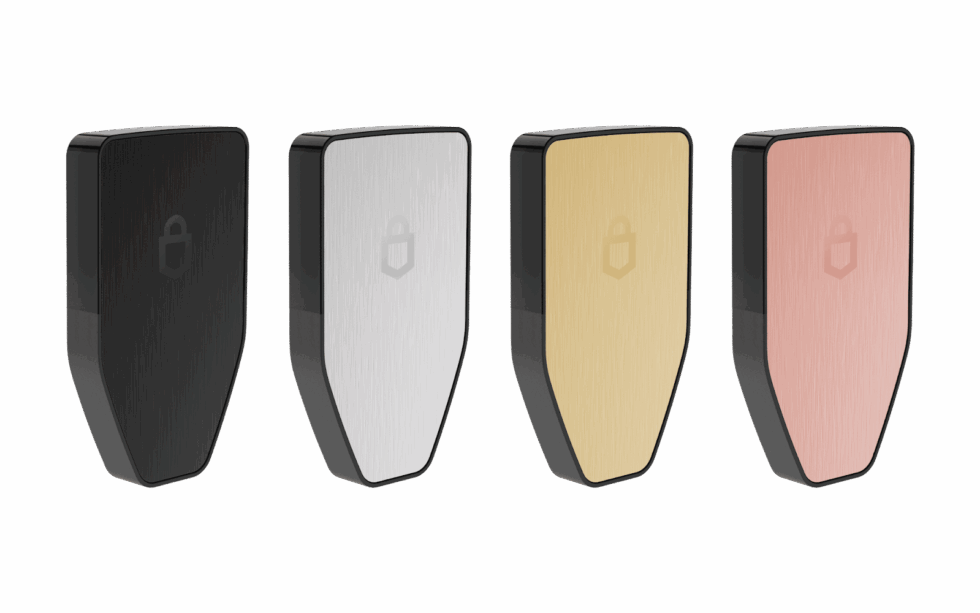
The Trezor Safe 3 is widely respected for its commitment to transparency. Its firmware is fully open-source and can be independently audited by security researchers, which helps detect vulnerabilities and reduces the risk of hidden backdoors a particularly important quality as supply-chain attacks and firmware tampering have become more prevalent.
Like all hardware wallets, the Trezor Safe 3 keeps private keys offline and requires physical confirmation on the device for any transaction. Additional protections including a PIN code, optional passphrase, and Shamir Backup (a method for securely splitting a recovery seed) strengthen it against both digital and physical attacks. It is priced comparably to the Ledger Nano S Plus, making it a strong alternative for users who place a premium on fully auditable, open-source security.
Also Read: Dubai Opens Crypto Leverage Trading for Retail Investors
4. Electrum (Best for Advanced and Technical Users)
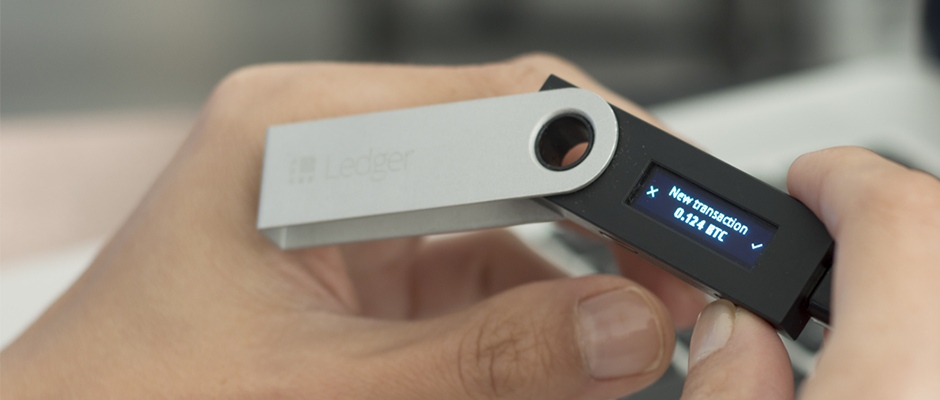
For users who want fine-grained control over their Bitcoin, Electrum is one of the most established and trusted software wallets available. Its focus is exclusively on Bitcoin, which keeps the software lean and reduces the attack surface that can come with multi-asset wallets. Its lightweight SPV (Simplified Payment Verification) design means it does not require downloading the full Bitcoin blockchain, which further lowers risk.
Electrum supports advanced features including multi-signature transactions, integration with hardware wallets such as Ledger and Trezor, and offline transaction signing all of which make it attractive to technically experienced users who want precise control over their security setup. Newcomers may find the interface less intuitive than other wallets, but Electrum’s decade-long track record and continued active development make it a dependable, battle-tested choice.
5. BlueWallet (Best for Everyday Spending)
BlueWallet is a practical mobile wallet designed to balance ease of use with meaningful security. Private keys are stored locally on the user’s device and protected through encryption, with optional biometric authentication providing an additional layer of defence. The wallet is fully open-source, allowing developers and security researchers to review its code and identify potential vulnerabilities.
BlueWallet also supports the Lightning Network, enabling fast, low-fee Bitcoin payments a useful feature for day-to-day transactions. Like most mobile wallets, however, it is best suited to smaller balances and regular spending rather than long-term storage of large amounts.
Choosing the Right Wallet for You
No single wallet is right for everyone. Hardware wallets like the Ledger Nano S Plus and Trezor Safe 3 offer the strongest protection for long-term holdings. Software wallets like Electrum suit technically proficient users who want full control.
BlueWallet is ideal for active daily use, and Bitamp serves those for whom privacy is paramount. Many seasoned Bitcoin holders use a combination keeping the bulk of their holdings in cold storage and a smaller amount in a mobile wallet for spending.
Whatever you choose, the fundamentals remain the same: protect your seed phrase, use only official wallet sources, and never share your private keys with anyone.
Written by Parvati Anilkumar
