Synopsis: Binance acquired a majority stake in South Korean exchange Gopax and is now working to compensate users affected by the collapse of Gopax’s GoFi decentralised finance service.
SB Seker, Head of Binance APAC, has stated that the exchange aims to complete compensation for affected GoFi users in South Korea within 2026. In an interview with The Block, Seker described the plan as a critical step toward resolving a crisis that has impacted thousands of investors and stalled Binance’s expansion strategy in one of Asia’s most active crypto markets.

How the GoFi Crisis Unfolded
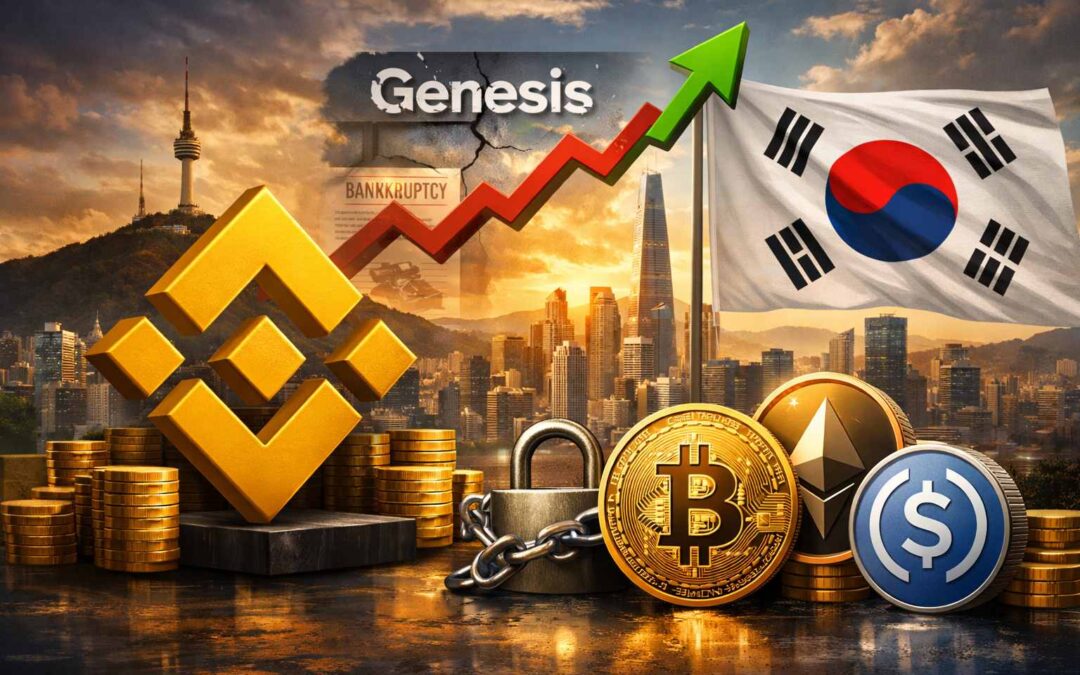
The issue dates back to 2023, when GoFi a decentralised finance service operated by South Korean exchange Gopax halted withdrawals. The freeze was triggered by GoFi’s lending partner, Genesis Global Capital, which suspended withdrawals before filing for Chapter 11 bankruptcy in January 2023. The fallout left many users unable to access their funds and created a liquidity crisis that reverberated across the South Korean crypto ecosystem.
To stabilise the situation, Binance acquired a majority stake in Gopax in February 2023, intending to inject capital and restore user funds. However, regulatory approval from South Korean authorities took far longer than anticipated, delaying restitution efforts. Approval was ultimately granted in late 2025, enabling Binance to begin moving forward with its recovery strategy.
What the Repayment Will Look Like
As part of the restitution effort, Binance plans to soon disclose the wallet address holding funds designated for GoFi users. These assets are currently held under third-party custody and span multiple cryptocurrencies. According to a notice from Gopax, the wallet contains 11 different digital assets, including significant amounts of Bitcoin, Ether, and USD Coin.
Crucially, the wallet holds the same quantities of cryptocurrency that users originally lost, rather than the equivalent fiat value at the time withdrawals were frozen. Given that crypto prices have risen considerably since 2023, this approach could prove meaningfully beneficial for many affected investors.

Before distribution can begin, Binance still requires additional approvals from several South Korean government agencies. The exchange is also finalising a distribution plan designed to minimise costs and logistical complexity for all parties. Seker indicated that users, regulators, and Binance itself are aligned in wanting to resolve the matter as quickly as possible.
Gopax’s Future Under the Binance Umbrella
Once repayments are completed, Binance plans to turn its attention to stabilising and improving Gopax’s platform. Initial efforts will focus on upgrading technical infrastructure and strengthening security in line with Binance’s global operational standards. The company is also exploring product enhancements, though Seker noted these would likely mirror services already available in the market and would be developed in compliance with local regulations. A potential rebranding of Gopax under the Binance name is under consideration but has not yet been confirmed.
Growth Ambitions in South Korea
Looking beyond the immediate recovery, Binance sees significant opportunity in South Korea’s digital asset sector. Areas of interest include the development and distribution of Korean won–pegged stablecoins, participation in real-world asset tokenisation projects, and expanded services for institutional investors. The company is also exploring partnerships with Korean industry groups to support tokenised securities and other regulated blockchain initiatives, as South Korea gradually loosens restrictions on corporate crypto investment.
Also Read: Tokenized Real Estate Projects Advance in Dubai and the Maldives
Regulatory Hurdles Remain
Despite these ambitions, Binance faces potential regulatory headwinds. A proposal from South Korea’s Financial Services Commission could cap major shareholders’ ownership in crypto exchanges at between 15% and 20%. Binance currently holds more than two-thirds of Gopax, which could become a compliance issue if the proposal is enacted. Seker expressed confidence, however, that the exchange can adapt to evolving regulatory requirements.
Taking on Upbit and Bithumb
Binance hopes that resolving the GoFi situation will lay the groundwork for competing with dominant local exchanges such as Upbit and Bithumb, both of which currently command significantly larger market shares.
Seker believes South Korea’s high rate of digital asset adoption and its evolving regulatory framework make it one of the most strategically important crypto markets in the Asia-Pacific region. Binance’s goal, he said, is to build momentum over the coming years and establish itself as a serious long-term contender in the country’s crypto industry.
Written by Parvati Anilkumar
