
Synopsis: Fed cuts rates 0.25% but Bitcoin struggles below $100K due to hawkish 2026 outlook, mounting unrealized losses, and declining futures interest amid persistent inflation concerns.
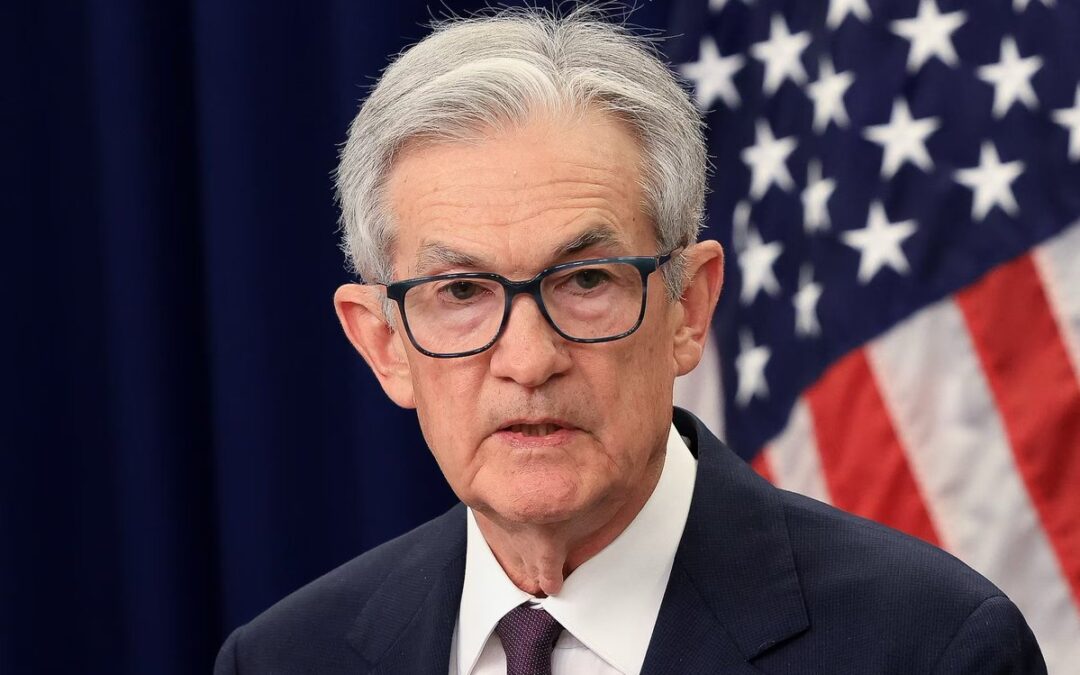
The US Federal Reserve slashed interest rates by 0.25% on Wednesday, marking its third cut this year. Bitcoin briefly rallied above $94,000 ahead of the announcement but quickly retreated. Despite rate cuts typically boosting risk assets, BTC now struggles below the critical $100,000 threshold. The Fed’s divided stance and concerning on-chain metrics paint a challenging picture for crypto bulls.

The central bank’s 9-3 vote revealed deep internal divisions about future monetary policy. Three members dissented, expressing concerns about persistent inflation and economic growth uncertainties. Bitcoin’s pre-FOMC surge faded rapidly as traders sold the news. The cryptocurrency now trades around $92,700, trapped in what analysts call a “structurally fragile range.”
Market observers describe this as a “hawkish cut” despite the rate reduction. Fed members signaled fewer rate cuts in 2026 than previously expected. This cautious outlook stems from inflation running above the 2% target. The Fed’s projections suggest only one rate cut next year instead of three.
Time Running Out for Bulls
Glassnode data reveals Bitcoin faces mounting structural pressure in its current price range. The cryptocurrency oscillates between $81,300 and $102,700, unable to break decisively higher. This range represents critical cost-basis levels for different investor groups. Short-term holders bought near $102,700 while the market mean sits at $81,300.
Unrealized losses have climbed significantly across the market over the past month. The relative unrealized loss measure jumped to 4.4% after staying below 2% for two years. This sharp increase signals growing stress among Bitcoin holders. Additionally, entity-adjusted realized losses surged to $555 million per day.

This loss level matches the capitulation seen during the FTX collapse in 2022. Despite Bitcoin’s bounce from November lows, selling pressure continues mounting. Long-term holders realized over $1 billion daily in profits recently. Peak distribution reached a record $1.3 billion as seasoned investors took profits.
The combination of new buyer capitulation and veteran profit-taking creates downward pressure. Bitcoin struggles to reclaim the $95,000–$102,000 resistance zone. Consequently, the longer prices remain trapped, the greater the risk of forced selling.
Declining Futures Interest
CryptoQuant analysis highlights an unusual divergence in Bitcoin’s market structure. The recent rally occurred primarily through spot buying rather than leveraged positions. Open interest in Bitcoin futures declined throughout October’s correction. Surprisingly, futures interest continued falling even after Bitcoin bottomed on November 21.
This pattern differs from typical bull markets where derivatives lead price action. Spot volumes currently represent just 10% of total derivatives activity. While spot-driven rallies signal healthier market dynamics, sustained momentum historically requires leverage. The market may struggle to maintain upward movement without increasing futures participation.
Derivatives traders remain cautious despite the Fed’s rate cut. Funding rates flipped neutral, indicating deleveraging rather than aggressive bullish positioning. Long liquidations totaled $94 million following the FOMC announcement. Open interest dropped 4.34% to $1.25 trillion as traders reduced exposure.
Options markets show defensive positioning with heavy put demand ahead of December expiry. Traders hedge downside risks rather than chase upside breakouts. This cautious stance reflects uncertainty about Bitcoin’s near-term trajectory. Furthermore, elevated implied volatility suggests expectations for significant price swings.
Fed’s Hawkish Tone
The Federal Reserve’s latest projections revealed a more restrained easing path ahead. Core inflation remains stuck at 2.7%, well above the target rate. GDP growth forecasts sit at 2.1% for 2025 with unemployment potentially reaching 4.5%. These projections suggest the Fed prioritizes inflation control over aggressive stimulus.
Fed Chair Jerome Powell emphasized no firm commitment to January rate cuts. This noncommittal stance disappointed markets hoping for clearer dovish signals. Treasury yields dipped modestly while equity futures faded from session highs. The broader crypto market fell 2.82%, extending December’s 14.1% monthly loss.
Bitcoin dominance rose to 58.54% as investors fled altcoins for relative safety. Ethereum dropped 3.6% while smaller tokens like Solana shed 5-8%. Global risk-off sentiment gripped markets beyond crypto. The Nasdaq futures declined 0.5% and Asian indices dropped 1-2%.
Real yields edged higher, tightening financial conditions despite the rate cut. Lower rates typically boost Bitcoin by reducing appeal of bonds. However, expectations for just one 2026 cut dashed hopes for sustained liquidity. Markets now face a challenging environment with sticky inflation and limited easing.
Glassnode warns that recovery requires Bitcoin reclaiming major cost-basis levels. Without renewed capital inflows, downside risks persist toward $81,000–$84,000. The market mirrors early 2022’s post-peak weakness where fading demand triggered prolonged consolidation. Over 25% of Bitcoin supply could slip underwater if support breaks.
Institutional developments offer some hope with banks endorsing small crypto allocations. Yet regulatory scrutiny intensifies as agencies review crypto banking relationships. Bitcoin faces a critical juncture requiring either dovish Fed pivots or massive ETF inflows. Until then, the fragile range keeps bulls struggling beneath six figures.
Written By Fazal Ul Vahab C H
