
Synopsis: India’s crypto sector urges Budget 2026 reforms for regulatory clarity and 1% TDS cut on VDAs, citing unviable trading, offshore shifts, and stalled innovation amid 30% tax rigidity.
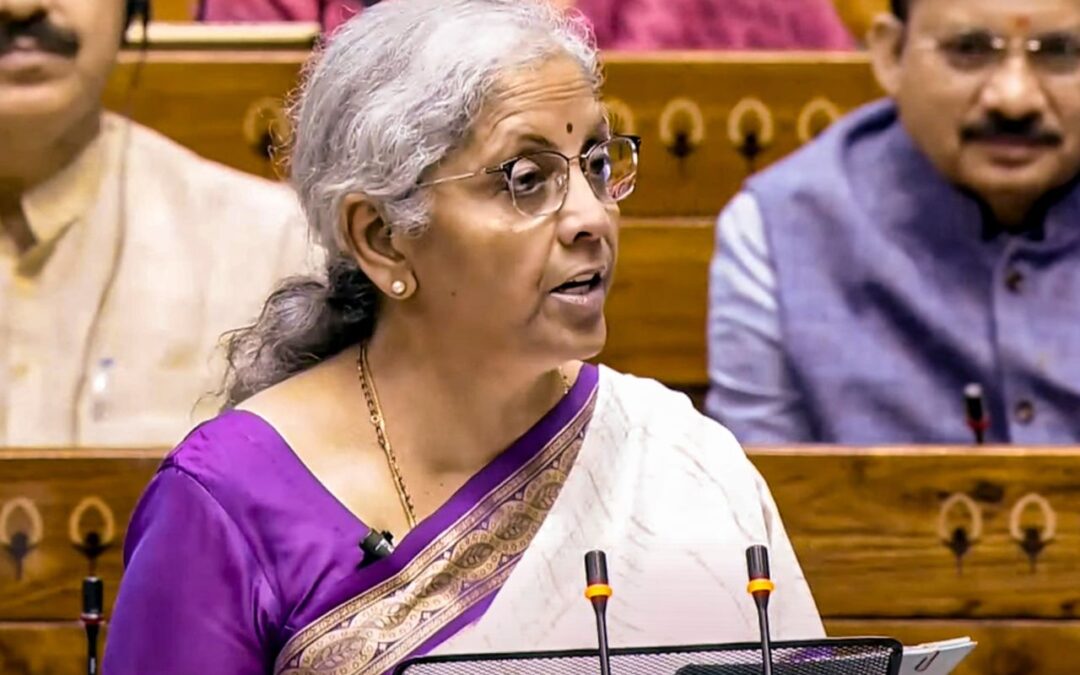
India’s cryptocurrency industry is making a final push for regulatory clarity ahead of Budget 2026. The sector demands significant tax reforms, particularly a reduction in the 1% Tax Deducted at Source (TDS) on digital asset transactions. Finance Minister Nirmala Sitharaman will present the Union Budget 2026-27 on February 1, 2026. However, industry leaders worry that reforms may remain elusive.

Current Tax Framework
India recognised cryptocurrencies as Virtual Digital Assets in Budget 2022, establishing a structured tax regime. Under Sections 115BBH and 194S of the Income Tax Act, VDA gains face a flat 30% tax. Additionally, transactions attract a 1% TDS deduction. Non-trading income from digital assets is taxed according to individual income slabs.
The existing framework prohibits loss set-offs against gains or carry-forwards. This rule creates challenges during volatile market periods. Moreover, the 1% TDS applies to transactions exceeding Rs. 50,000 annually for individuals. As a results, high-frequency trading has become economically unviable. The government collected over Rs. 511.8 crore in TDS from crypto transactions in FY 2024-25 alone.
Despite these substantial collections, Budget 2025 left the tax framework unchanged. This disappointed industry stakeholders who had lobbied extensively for reforms. Furthermore, current rules have reportedly driven over $42 billion in trading volume offshore.
Industry Leaders
Raj Karkara, Chief Operating Officer at ZebPay, emphasised that Budget 2026 arrives at a crucial juncture. He stated that clear regulatory frameworks would strengthen trust among investors and institutions. Karkara advocated for rationalising the 1% TDS to improve liquidity. He also called for reviewing the 30% flat tax on VDA gains. Aligning taxation with other asset classes could create a balanced investment environment.

Nischal Shetty, founder of WazirX, described the budget as an opportunity to refine existing frameworks. He argued that lower transaction-level TDS could revive onshore liquidity. Additionally, allowing loss set-offs would improve compliance rates. Shetty highlighted that clear reporting rules would boost investor confidence. Such reforms align with India’s ambitious $5 trillion economy goal.
What Does Domestic Platforms Want?
Pankaj Balani, CEO of Delta Exchange, pointed to India’s strong global crypto adoption. He stressed that domestic platforms following Indian KYC and anti-money laundering norms deserve policy support. Balani emphasised the need to differentiate compliant Indian platforms from offshore operators.
Sumit Gupta, co-founder of CoinDCX, noted that four years have passed since the framework’s introduction. He believes measured relief could accelerate innovation significantly. Gupta highlighted the importance of uniform TDS implementation across all exchanges. This would improve compliance and enhance consumer protection.
Global Web3 Leadership
SB Seker, Head of APAC at Binance, acknowledged India’s rapid blockchain adoption. He described the budget as an opportunity to strengthen the VDA ecosystem. Measured regulatory and tax refinements would protect users while supporting market development.
The crypto sector’s demands reflect broader concerns about India’s competitiveness in Web3 innovation. Without reforms, industry experts warn of continued talent and capital flight. However, the government’s historically cautious stance on cryptocurrencies suggests major changes remain uncertain. Budget 2026 will ultimately determine whether India positions itself as a Web3 leader or maintains restrictive policies.
Written By Fazal Ul Vahab C H
