Synopsis: This article explains what rug pulls are, provides real-world examples, and outlines common types of these scams. It also offers practical guidance on detecting and avoiding rug pull schemes in the cryptocurrency market.
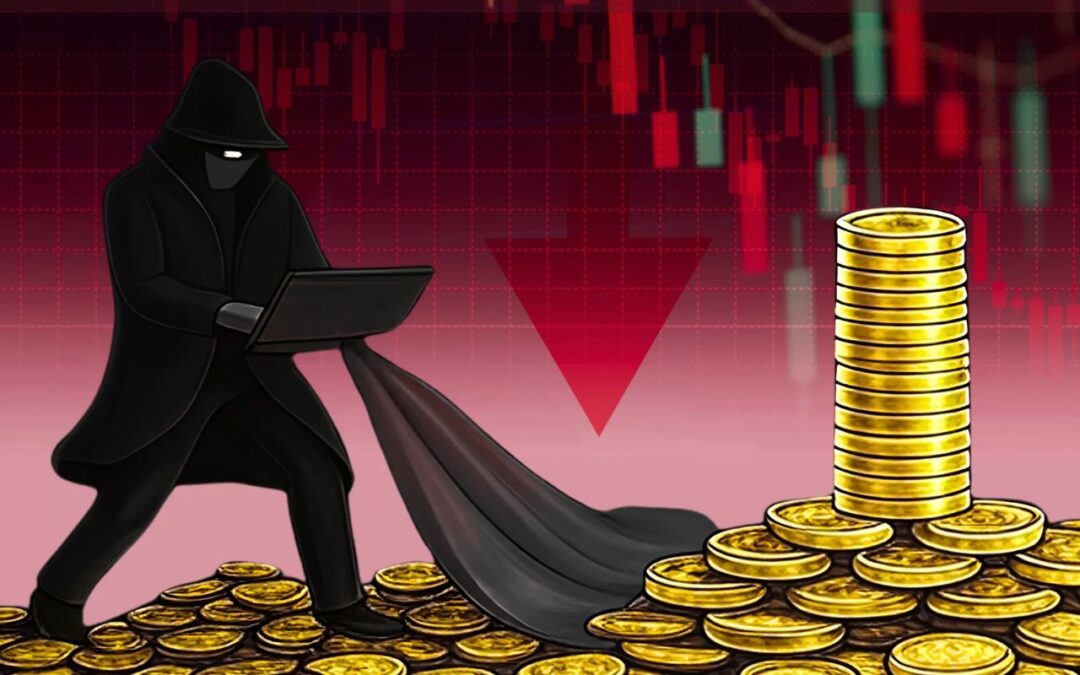
A rug pull is a type of exit scam where developers of a new cryptocurrency project abandon it after draining investors’ funds. The term “rug pull” refers to the sudden disappearance of invested capital, leaving investors with worthless tokens.

These scams typically follow a predictable pattern:
- Project setup – Developers create a new token and launch it
- Marketing and hype – Aggressive promotion on social media platforms
- Influx of buyers – Growing investor interest drives up prices
- Withdrawal and disappearance – Developers drain liquidity and vanish
How Rug Pulls Operate
Rug pulls primarily occur on decentralized exchanges (DEXs), where tokens can be listed with minimal oversight and verification requirements. Scammers exploit this permissionless environment by promoting their token heavily on social media to attract buyers. As demand increases, the token’s price rises.
Once investors have committed substantial funds, the developers execute their exit strategy. They either remove all liquidity from the trading pool or implement malicious code that prevents investors from selling their tokens. The result is catastrophic: the token’s price crashes to zero, and investors are left unable to recover their funds.
Notable Examples of Rug Pulls
Squid Game Token (2021)
Capitalizing on the immense popularity of the Netflix series Squid Game, scammers launched a cryptocurrency token that saw explosive price growth. However, the developers had embedded code in the smart contract that prevented investors from selling their tokens. As the price soared to over $2,800 per token, the developers disappeared with approximately $3.38 million, leaving the token worthless.

Thodex (2021)
Unlike most rug pulls that occur on DEXs, this scam involved a centralized Turkish cryptocurrency exchange. CEO Fatih Faruk Özer fled Turkey with an estimated $2 billion in user funds, leaving approximately 400,000 users unable to access their investments. Özer was eventually arrested in Albania in 2022 and extradited to Turkey to face fraud charges.
AnubisDAO (2021)
This decentralized finance (DeFi) project raised approximately $60 million in under 24 hours despite having minimal information available on its website—a major red flag. Shortly after the fundraising concluded, the developers disappeared with the entire sum, leaving investors with worthless tokens and no recourse.
Why Indian Investors Are Vulnerable
Indian cryptocurrency investors face particular vulnerability to rug pull scams due to several interconnected factors:
Regulatory gaps: India’s cryptocurrency regulatory framework remains unclear and evolving, with no comprehensive investor protection measures specifically targeting crypto scams.
Limited awareness: Many new investors enter the crypto market without adequate understanding of common scam tactics, making them easy targets for sophisticated fraud schemes.
Market manipulation: The unregulated nature of many crypto markets allows for insider trading and coordinated manipulation that can cause dramatic price swings.
Extreme volatility: The cryptocurrency market’s inherent price volatility can mask malicious activity, making it difficult for inexperienced investors to distinguish between normal market fluctuations and deliberate manipulation.
Common Types of Rug Pulls
Liquidity Stealing: Developers remove all liquidity from the trading pool, making it impossible for investors to sell their tokens at any price. This is the most direct form of rug pull.
Limiting Sell Orders: Malicious code in the smart contract prevents investors from selling their tokens while allowing the developers to sell freely, creating a one-way market.
Pump and Dump: Developers artificially inflate the token’s price through coordinated buying and false hype, then sell their holdings at the peak, causing the price to collapse.
Malicious Smart Contracts: Hidden functions in the token’s code give developers backdoor access to drain funds, mint unlimited tokens, or impose selling restrictions on regular investors.
Also Read: What Is Crypto Investing? How Is It Different from Crypto Trading?
How to Detect and Avoid Rug Pulls
Research the Development Team
Investigate the project’s founders and developers. Legitimate projects have transparent teams with verifiable identities, professional backgrounds, and track records in the industry. Anonymous teams should raise immediate concerns.
Analyze the Liquidity Pool
Examine whether liquidity is locked for a reasonable period (typically at least six months to a year). Check the percentage of total liquidity provided by the developers—if they control most of it, they can drain it at will.
Audit the Smart Contract
Review the token’s smart contract code for red flags such as:
- Functions that allow developers to pause trading
- Mechanisms to prevent selling
- Unlimited minting capabilities
- High transaction fees that benefit developers
If you lack technical expertise, look for third-party smart contract audits from reputable firms.
Evaluate Token Distribution
A fair token distribution prevents any single entity from controlling too large a supply. Be wary of projects where developers hold more than 20-30% of the total token supply, as this concentration enables price manipulation.
Question Unrealistic Promises
Exercise critical thinking when evaluating promotional materials. Guaranteed high returns, exaggerated partnerships, and vague technical details are classic warning signs of fraudulent projects.
Protective Tools and Resources
Several specialized platforms can help identify potential rug pulls before you invest:
Token Sniffer (tokensniffer.com): Analyzes smart contracts and assigns risk scores based on various security parameters.
De.Fi Scanner (de.fi): Provides comprehensive security audits and real-time monitoring of DeFi projects.
These tools examine factors including contract code, liquidity status, holder distribution, and trading patterns to flag potential scams.
Protecting yourself from rug pulls requires diligence, skepticism, and education. Before investing in any cryptocurrency project, thoroughly research the team, audit the smart contract, verify liquidity arrangements, assess token distribution, and critically evaluate all promotional claims.
Remember that if an investment opportunity seems too good to be true, it almost certainly is. The cryptocurrency market offers legitimate opportunities, but it also harbors sophisticated scams designed to exploit uninformed investors. By following these protective measures and using available verification tools, you can significantly reduce your risk of falling victim to a rug pull scam.
Written by Parvati Anilkumar
