Synopsis: South Korea drives crypto adoption through passionate retail trading and political support, while North Korea steals billions via sophisticated cyber operations, shaping the industry through opposing methods.
Two nations separated by ideology now dominate the cryptocurrency world in starkly different ways. South Korea fuels global markets through passionate retail traders and political momentum. North Korea extracts billions through sophisticated cyber operations. Both countries shape the industry, yet their methods could not be more opposite.

Seoul: Where Trading Meets Culture
Cryptocurrency thrives loudly in South Korea’s capital. The nation’s crypto culture grew from fertile ground already prepared by technology. High-speed internet arrived nationwide in the late 1990s. Citizens learned to absorb information quickly through digital channels. Communities formed online around shared interests and financial opportunities.
John Park leads Korea operations for Arbitrum Foundation. He traces the domestic industry’s explosive growth to existing social patterns. “Crypto fits neatly into that system,” Park explains. South Koreans already valued rapid information sharing and wealth accumulation.
Economic reality accelerated crypto’s appeal among younger generations. Long work hours define professional life. Career paths follow predictable trajectories with limited upward mobility. Many young professionals saw crypto as their escape route.
The speculative market transformed into electoral priority by 2022. Former president Yoon Suk Yeol won office partly through crypto-friendly campaign promises. He targeted millennial and Gen Z voters specifically. His platform included supporting metaverse development and reversing the initial coin offering ban.
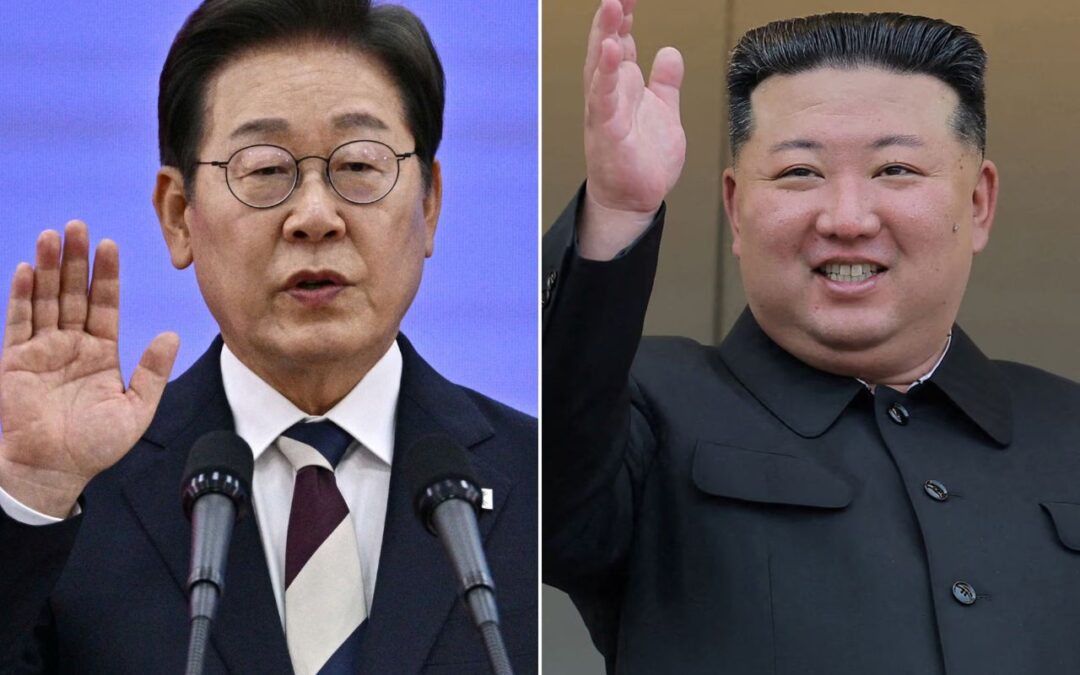
Yoon’s presidency ended abruptly after a failed martial law attempt. However, crypto remained central in the subsequent snap election. All major candidates courted younger voters with digital asset policies. Current president Lee Jae Myung continued the crypto-friendly approach. The industry secured political support regardless of election outcomes.
The Terra Collapse: A Turning Point for Korean Crypto
South Korean won trading volumes now rival the US dollar. Terra’s rise and catastrophic fall marked a pivotal moment. Founder Kwon Do-hyung, known as Do Kwon, became a national figure. The project made South Korea proud initially.
“It was the first time people looked at South Korea seriously,” Park recalls. Citizens believed they could build world-class crypto products. Terra’s 2022 collapse shattered that pride. The Singapore-based company’s implosion triggered cascading bankruptcies globally. A prolonged crypto winter followed.
Domestically, the incident felt like national disgrace. Nevertheless, it accelerated policy discussions. South Korea enacted crypto user protection laws in 2024. Regulators now work toward comprehensive frameworks. Coordination between government entities and industry has slowed progress somewhat.
Retail enthusiasm survived Terra’s destruction. Improving regulatory clarity attracts both capital and talent. Venture firm a16z opened its Asia-Pacific office in Seoul recently. The firm described South Korea as the second-largest crypto market globally.
Major blockchain projects established Korea-focused operations. Solana built local teams and community programs. LayerZero, Aptos, and Arbitrum followed similar strategies. Hashed, a leading domestic crypto backer, launched its own blockchain. The platform supports a won-backed stablecoin gaining traction among traditional finance institutions.
Also Read: BlackRock Dumps $600M in Bitcoin and Ethereum in Single Day
Pyongyang: Silent Cyber Operations
North Korea operates differently in the crypto sphere. The secretive nation moves silently but impacts markets globally. State-backed hackers execute sophisticated cyber operations. They extract billions through theft rather than trading.
North Korea stole approximately $2.02 billion in crypto last year. The United Nations estimates the nation’s 2023 GDP between $15 billion and $17 billion. Crypto theft represents roughly 13.5% of total economic output.
Heechang Kang serves as chief strategy officer at Four Pillars blockchain research. He explains North Korea’s strategic approach clearly. “Crypto is infrastructure for North Korea,” Kang states. The sanctioned state moves money without banks or intermediaries.
A UN Security Council report claimed these hacks fund weapons programs. Chainalysis reported North Korean actors stole $6.75 billion in crypto cumulatively. The hermit kingdom prioritizes cryptography and secure communications nationally.
“In cryptographic communication, America ranks first,” Kang observes. “North Korea comes second.” Preventing interception remains essential for regime survival.
North Korea employs multiple theft methods beyond direct hacking. Operatives infiltrate crypto and tech companies by posing as legitimate professionals. They receive payment in cryptocurrency. This approach provides consistent income streams for the regime.
The $1.4 billion Bybit exchange exploit drew global attention. Initially reported as history’s largest crypto theft, later investigations complicated that ranking. Moreover, the incident prompted regulatory action internationally.
The Financial Action Task Force explicitly cited North Korea in its June 2025 update. The intergovernmental body accelerated crypto oversight urgency. It argued jurisdictions must treat crypto as regulated financial infrastructure. Several countries tightened licensing frameworks and expelled non-compliant exchanges subsequently.
Two Koreas, Two Different Walls
Irony defines how Korea’s crypto story unfolds today. North Korea earned its “Hermit Kingdom” nickname through isolation and hard borders. On the other hand, South Korea’s crypto approach quietly produced its own isolation form.
Anti-money laundering obligations tie crypto access to domestic accounts exclusively. Exchange licensing depends on exclusive banking partnerships. These rules limit foreign and corporate participation significantly. Cross-border arbitrage becomes difficult to execute. The result creates a won-based retail market where prices drift above global averages. This phenomenon earned the nickname “kimchi premium.” For years, this structure insulated South Korea’s crypto economy from global capital flows.
That isolation is shifting now. Regulators began lowering barriers keeping corporations and institutions sidelined. The change arrived recently. Until lately, crypto remained outside the institutional mainstream.
“Crypto was viewed as high-risk, something niche and weird,” Park remembers. Korean regulators and institutions did not take it seriously initially. However, that perception shifted dramatically over the past year. Major players including Tether now pay closer attention to Korea’s market importance.
North Korea’s activity collides with broader global crypto governance shifts. Major jurisdictions moved beyond drafting frameworks in 2025. They began implementing enforceable licensing and supervision regimes. These measures follow Financial Action Task Force recommendations.
Such regulations are unlikely to eliminate North Korea’s operations entirely. However, they tighten the perimeter around exchanges and payment systems. North Korean actors have exploited these channels previously.
Ironically, North Korea exploits system gaps while simultaneously advancing industry legitimacy. The regime’s criminal activity accelerates regulatory conversations globally. South Koreans largely react with resignation to Northern cyber operations.
“When South Koreans hear about North Korea doing shady things, most people do not really care,” Kang observes. The typical response becomes “Here it goes again.”
Both Koreas dominate crypto’s global landscape through opposing strategies. South Korea builds through participation, culture, and political engagement. North Korea extracts through theft, deception, and sophisticated cyber warfare. Neither nation shows signs of diminishing influence. The crypto race between them continues reshaping the industry’s future worldwide.
Written By Fazal Ul Vahab C H
