
Synopsis: The IRS issued new guidance allowing crypto ETPs to stake digital assets without tax penalties, enabling investor yield sharing and signaling stronger U.S. support for blockchain growth under President Trump.
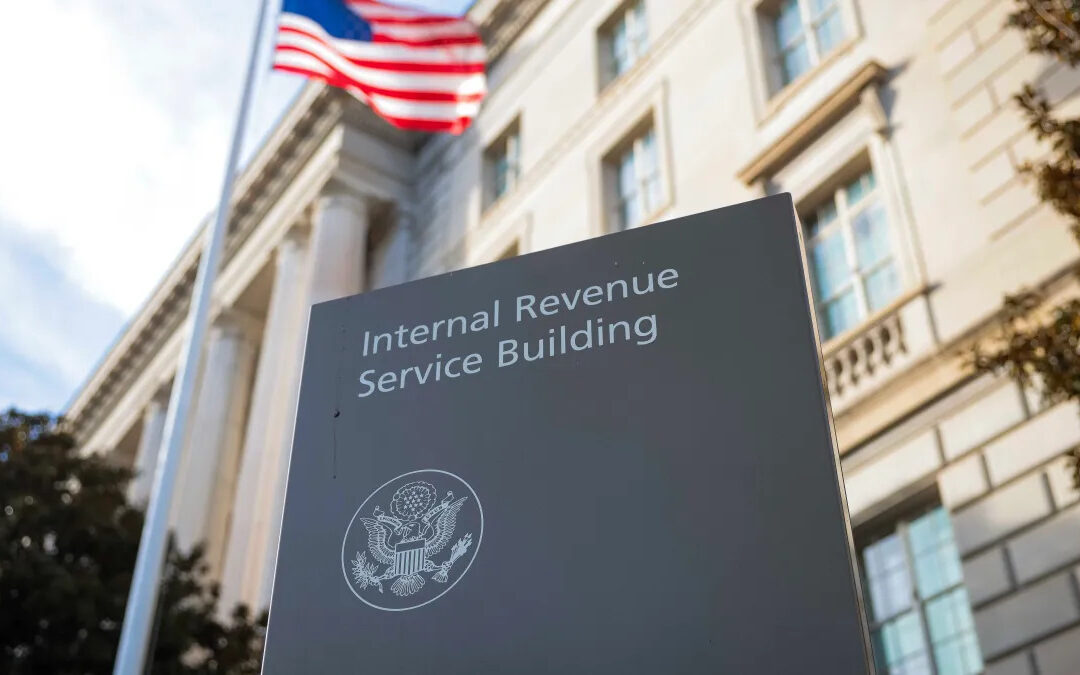
The U.S. Internal Revenue Service has delivered long-awaited clarity for crypto investors. In new guidance released on November 10, 2025, the agency allowed exchange-traded products (ETPs) to stake digital assets without risking their tax status. For once, Washington seems to be moving with the times.

Treasury Secretary Scott Bessent called the guidance a “clear path” for ETPs to share staking rewards with their investors. He also said it strengthens America’s role as a global leader in blockchain innovation an ambition closely backed by President Donald Trump’s administration.
This IRS move comes under Revenue Procedure 2025‑31 and applies immediately. Industry watchers see it as the most significant update since the approval of spot Bitcoin and Ethereum ETFs last year.
What the Guidance Actually Means
The new “safe harbor” lets investment and grantor trusts stake on proof‑of‑stake (PoS) blockchains such as Ethereum and Solana without triggering taxable events. Until now, fund sponsors avoided staking because it could have been viewed as an active business, which might disqualify their trust status and cause heavy taxation at the corporate level.
Under the new rules, staking income will continue to flow directly to investors, who will report it as ordinary income. That means no double taxation, no complex reporting at the fund level, and more transparent filings on Form 1099s.

The IRS focused the rule on permissionless PoS networks, making clear that staking on closed enterprise blockchains remains outside its scope. Trusts must also follow strict standards: holding one digital asset type, using qualified custodians, and maintaining liquidity for quick redemptions.
Regulators have studied staking for years while investors watched potential yields slip away. Now, with clear conditions in place, the crypto funds market might finally catch its breath.
Why It Matters for Investors and Institutions
The crypto ETP market has exploded since 2024, but most funds avoided staking yields to stay compliant. Without staking, crypto ETFs lagged behind traditional yield-bearing instruments such as bond ETFs. The new rule changes that.
Retail investors may now see 3–5 percent annual returns on ETFs tracking assets like Ethereum. Institutional players like BlackRock or Grayscale can integrate staking safely, attracting fresh inflows estimated between ten and twenty billion dollars over the next year.
Bill Hughes, senior counsel at Consensys, said on X that it “removes a major legal barrier” and will increase staking participation, liquidity, and decentralization. Removing regulatory fear could draw a wave of capital into PoS networks, boosting both security and confidence.
Markets have already begun to react. Ethereum and Solana prices edged higher as traders priced in stronger network participation. While Bitcoin‑based funds might stay untouched, proof‑of‑stake chains could see meaningful growth from this surge in institutional staking.
What Happens Next
ETP issuers now have 90 days to adjust their filings with the Securities and Exchange Commission. The first staking‑enabled ETFs could debut as early as the first quarter of 2026. Existing funds also get a 12‑month transition period to align with the new requirements.
Investors should note that staking rewards remain taxable when received, even if automatically reinvested. Consulting a tax professional is wise before diving in.
Still, this breakthrough feels like a milestone. After years of uncertainty, the United States seems ready to merge decentralized finance’s returns with the strength of regulated markets. If executed carefully, it could redefine the country’s financial edge in digital assets.
Written By Fazal Ul Vahab C H
