

Synopsis: A viral video showing a young man flaunting millions in cryptocurrency has triggered a major investigation by the U.S. Marshals Service (USMS). Blockchain investigator ZachXBT alleges that the funds may have been stolen from government-controlled crypto wallets. The case has raised serious concerns about how seized digital assets are safeguarded.
In January 2026, blockchain analyst ZachXBT identified John “Lick” Daghita in a heated exchange on Telegram. The incident reportedly occurred around January 23, 2026, during a so-called “band-for-band” showdown with Dritan Kapplani Jr., where both participants attempted to outdo each other by displaying their crypto holdings.

Daghita first shared a screenshot of his Exodus wallet showing a Tron address containing approximately $2.3 million. After being mocked by Kapplani, he transferred $6.7 million worth of Ethereum live during the exchange. The funds were sent to this wallet.
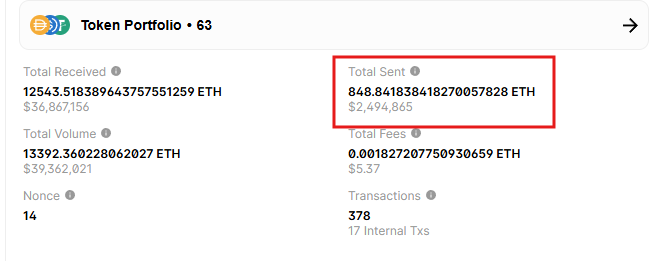
Source: blockchain
ZachXBT later obtained the full recording and confirmed that Daghita controlled both wallets. Following this discovery, the U.S. Marshals Service launched an investigation into allegations that more than $40 million in seized cryptocurrency may have been stolen.
Brady McCarron, Chief of Public Affairs at USMS, declined to provide details, stating only that investigations remain active.

Family Connection Raises Security Concerns
Daghita’s alleged access to the funds is believed to be linked to his father, Dean Daghita, who heads CMDSS, a Virginia-based firm. In October 2024, USMS reportedly awarded CMDSS a contract to manage “Class 2–4” seized cryptocurrency assets that cannot easily be liquidated through major exchanges.
According to ZachXBT, this connection may have provided John Daghita with indirect access to sensitive wallets. However, the exact method of access remains unclear.
Did his father share private keys or credentials?
No official evidence confirming this has been released.
CMDSS previously promoted its work with the Department of Justice and Department of Defense. However, its website, X account, and LinkedIn profile have since been taken offline, and the company has not responded to media inquiries.
On Telegram, Daghita was reportedly known for flaunting his wealth and mocking critics. Even after being publicly identified by ZachXBT, he allegedly continued posting provocative messages.
Also Read: Ethereum as an Investment: Is ETH Better Than BTC?
Blockchain Analysis Reveals Funds Movement
ZachXBT conducted extensive on-chain analysis to trace the origin of the funds. He found that the wallet address shown in the video had received transactions totaling nearly $63 million, linked to alleged thefts in late 2025.
One major transaction path led to address 0x8924, which was featured in the video. This wallet received 1,066 WETH on November 20, 2025, from address 0xc7a2.
That source address had previously received approximately $24.9 million from a U.S. government-controlled wallet in March 2024, reportedly connected to assets seized from the 2016 Bitfinex hack. Additional large transfers were recorded in December and November 2025, ranging from $1 million to $15.4 million.
ZachXBT estimates that between $23 million and $90 million in government-seized cryptocurrency may have been affected between 2024 and 2025. The exact total remains unconfirmed.
Partial Restitution and Public Response
After ZachXBT published his findings on X, Daghita transferred 0.6767 ETH (approximately $1,900) to ZachXBT’s wallet.
ZachXBT stated that he intends to forward the funds to a government seizure address. Systemic Weaknesses in Crypto Asset Management
The case has renewed scrutiny of how USMS manages digital assets. In February 2025, reports indicated that the agency relied heavily on spreadsheets to track crypto holdings and lacked a centralized accounting system.
USMS oversees seized property including cash, vehicles, real estate, jewelry, and digital assets. Cryptocurrency custody, however, presents unique technical and security challenges.
CMDSS had previously faced scrutiny over licensing and potential conflicts of interest involving a former USMS official. Although a protest against its contract was dismissed by the Government Accountability Office (GAO), the current allegations have revived concerns over insider risks.
Legal Status and Broader Implications
ZachXBT criticized individuals who publicly flaunt illicit funds, writing that such behavior makes investigations easier for law enforcement. As of now, no formal charges have been announced, and all allegations remain unproven. The Department of Defense has declined to comment to media.
Nevertheless, the case highlights growing concerns about the safety of billions of dollars in seized digital assets. If further losses are confirmed, taxpayers could ultimately bear the cost.
Written By Fazal Ul Vahab C H
