
Synopsis: Leverage lets crypto traders control big positions with small capital. It can multiply gains fast and wipe accounts even faster when risk is ignored.
Leverage is one of those crypto features everyone hears about early but fully understands much later. On the surface, it’s simple: borrow money to trade bigger. But the impact runs much deeper. Once leverage enters the picture, normal price moves start to feel aggressive. This matters because leverage doesn’t just change returns. It changes behavior, risk, and how quickly trades can go wrong.

Key Stats and Data
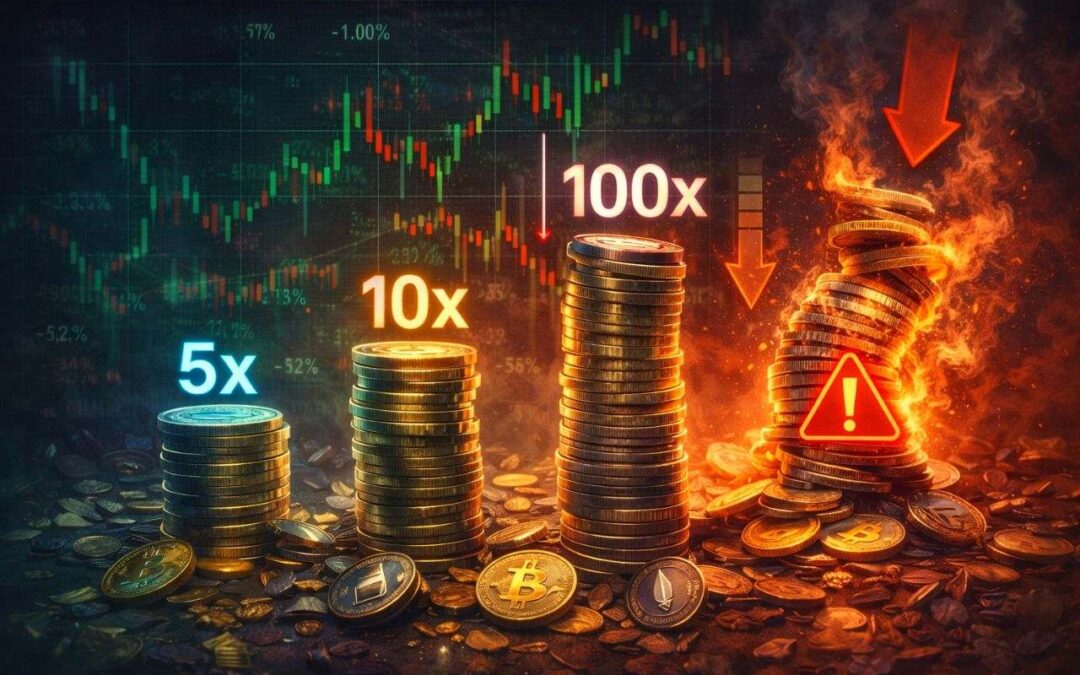
- Most crypto trading platforms offer 5x to 100x leverage on major pairs like BTC and ETH.
- A 1% price move equals 5% at 5x, 10% at 10x, and 100% at 100x.
- At 100x, even a 1% move can trigger liquidation.
- Most retail liquidations happen at 10x leverage or higher.
- During highly volatile days, liquidations often cross hundreds of millions of dollars within hours.
How Leverage Actually Works
Leverage in crypto trading means you’re using borrowed funds to open a bigger position than your actual balance. In simple words, you control more Bitcoin or Ethereum than you paid for upfront. This usually happens on futures or perpetual markets, not regular spot trades.
Here’s where most people get it wrong. Leverage doesn’t change where price goes. It changes how fast your P&L reacts. A small move suddenly feels huge, exciting on green candles and brutal on red ones.
When you use leverage, the exchange sets a liquidation price. If the market hits that level, your position is force-closed. No warnings. No mercy. That’s the trade-off you accept the moment you click “Buy” or “Sell”.
The higher the leverage, the closer your liquidation price sits to your entry. At 5x, you get breathing room. At 10x, one bad candle can end the trade. At 100x, price doesn’t even need to move much against you; a tiny wick can end the trade. That’s why most 100x positions don’t close normally; they get liquidated.

Real-World Example
You have $1,000 and open a 10x leveraged trade. That gives you $10,000 of exposure in the market.
If the price moves up 5%, your position gains $500. That’s a 50% return on your original capital. Without leverage, the same move would’ve paid you just $50.
Now flip the scenario. If the price drops 5%, you lose $500. Half your capital is gone in one move. A little more downside, and the exchange force-closes the trade. This is why leverage feels amazing when it works and brutal when it doesn’t.
What Leverage Actually Does to Traders
For short-term traders, leverage increases speed. Trades play out faster, and mistakes get punished quicker. Tight stop-losses become mandatory, not optional. Here’s how leverage plays out at different levels for short-term traders:
- Low leverage (up to 5x) improves capital efficiency.
- Medium leverage around (10x to 20x) invites emotion, where normal volatility starts causing frequent liquidations.
- High leverage (near 50x to 100x) demands perfect timing; one wick and the position is gone.
For long-term investors, leverage often creates unnecessary pressure. Crypto already moves enough. Adding liquidation risk to long-term positions usually ends badly, especially during sudden dips or funding spikes.
Why traders use leverage
- Makes small accounts feel powerful
- Amplifies gains during strong trends
- Useful for hedging and short-term news trades
Where leverage backfires
- Overconfidence after a few wins
- Ignoring liquidation levels
- High leverage in low-liquidity hours
- Normal volatility turning into forced liquidations
What actually protects traders
- Using smaller leverage with wider invalidation
- Knowing when not to trade
- Following a plan, not emotions.
If you’ve been in crypto long enough, you’ve seen random crashes that weren’t random at all, they were all leverages getting flushed out.
Leverage isn’t a shortcut. It’s an accelerant. It speeds everything up: profits, losses, liquidations, emotions, and mistakes. Watch volatility, funding rates, and position size before touching it. That’s usually what separates traders who survive from those who vanish quietly after one bad trade.
Written By: Gautham Nishad
