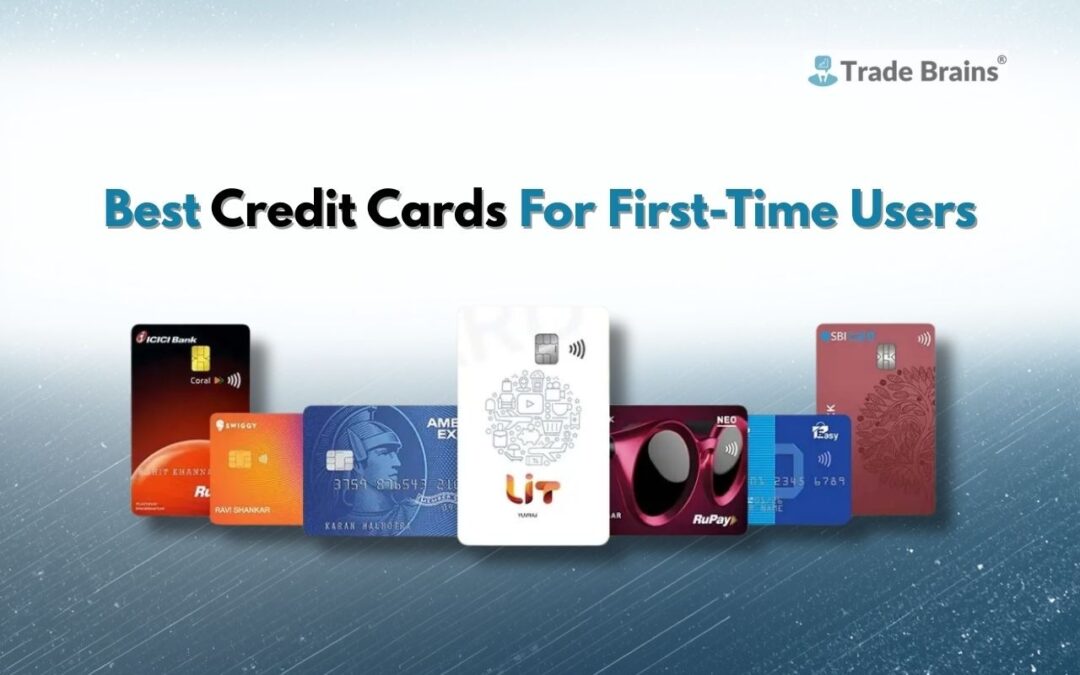
Synopsis: This article lists the best credit cards options for first-time users with low income eligibility. It also includes 2 FD-linked credit cards for people who don’t have a regular source of income.
In 2026, Indian banks will offer a variety of beginner-friendly credit cards with low income requirements, reasonable fees, and useful benefits such as cashback, reward points, and savings on fuel or utilities.
For individuals who meet basic income standards, entry-level unsecured cards can be a good way to earn rewards while building a credit history.
Secured credit cards that are backed by fixed deposits are a great option for users without a credit history or those with inconsistent income. They offer easy approval and help build a solid credit score over time.
1. YES Bank ACE Credit Card
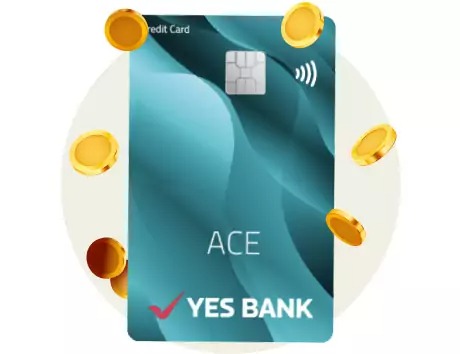
- Joining/ Renewal Fee: ₹499
- Minimum Income(Salaried): ₹25,000/month
- Minimum Income(Self-Employed): ₹5 lakh per year
- Minimum Age: 21 years
- Features
- 12,000 bonus reward points on spending ₹3.6 lakh
- 6 reward points for every ₹200 spend on groceries
- 4 reward points for every ₹200 spend on other categories
- Ideal For: People who make frequent purchases in retail and online purchases.
2. SBI SimplyCLICK Credit Card
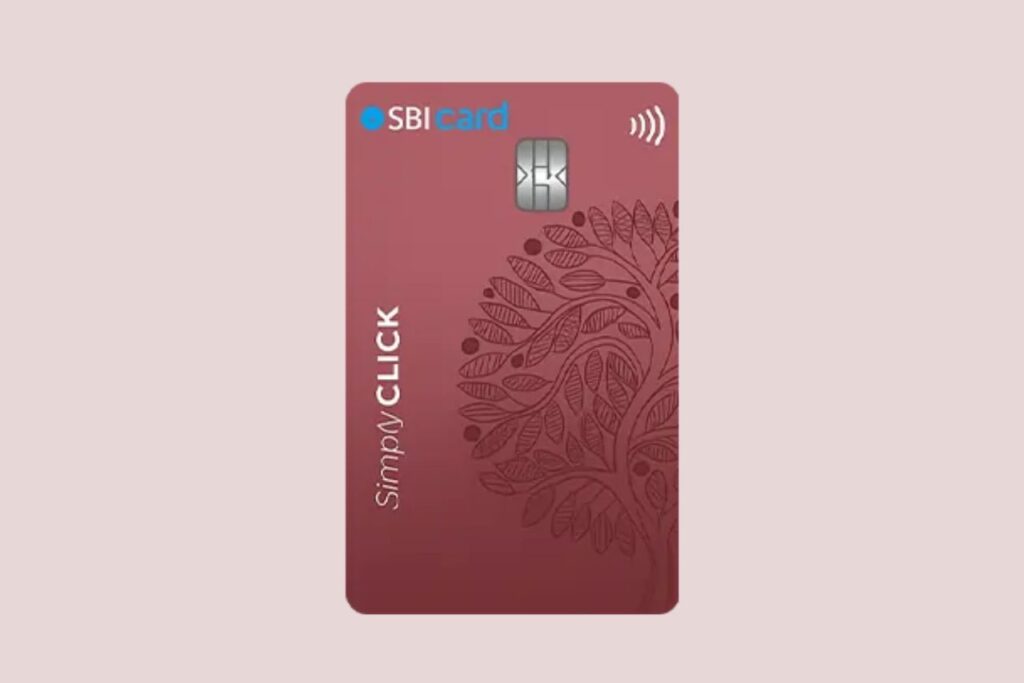
- Joining/ Renewal Fee: ₹499
- Minimum Income(Salaried): ₹18,000/month
- Minimum Age: 21 years
- Features
- Gift vouchers worth ₹2,000 on spending ₹1 lakh to ₹2 lakh a year
- 1% fuel surcharge waiver for fuel transactions between ₹500 and ₹3,000.
- Up to 10 reward points on online spending.
- Ideal For: People who shop online frequently.
3. SBI SimplySAVE Credit Card
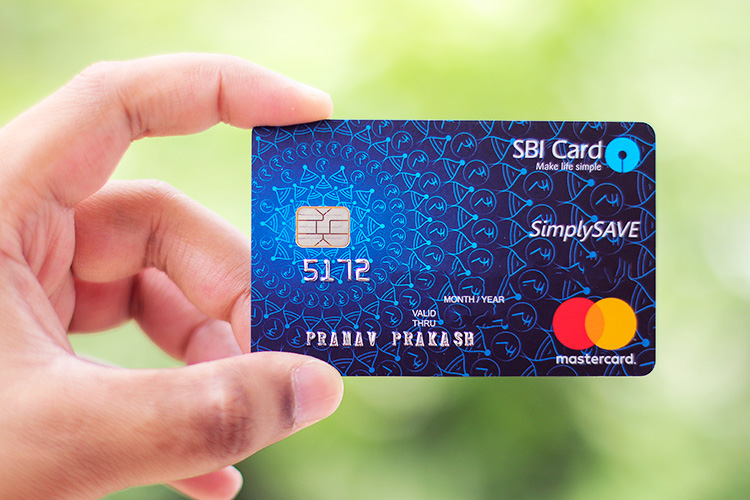
- Joining/ Renewal Fee: ₹499
- Minimum Income(Salaried): ₹18,000/month
- Minimum Age: 21 years
- Features
- 1% fuel surcharge waiver for fuel transactions between ₹500 to ₹3,000.
- 10 reward points on categories like movies, dining, etc
- 1 reward point on the other category spent
- Ideal For: People who shop online frequently.
4. IndianOil HDFC Bank Credit Card
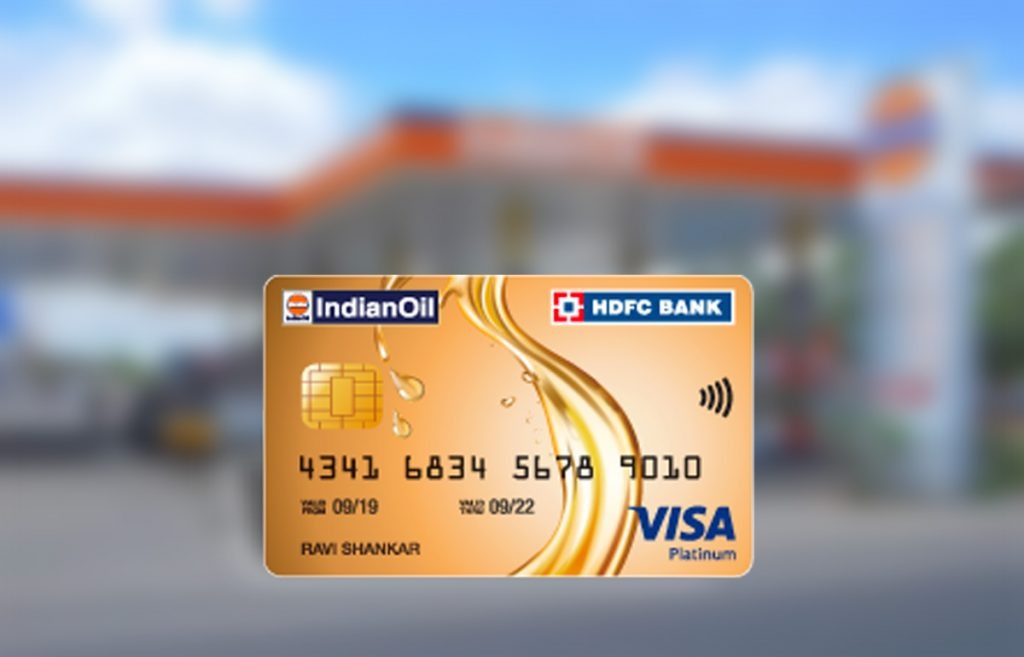
- Joining/ Renewal Fee: ₹500
- Minimum Income(Salaried): ₹12,000/month
- Minimum Income(Self-Employed): ₹6 lakh per year
- Minimum Age: 21 years
- Features
- 50 Litres of fuel free every year.
- 5% of spending as Fuel Points at IndianOil outlets
- 5% of spending as Fuel Points on groceries and bill payments
- Ideal For: People who spend frequently on fuel.
Also Read: 5 Best Credit Cards for Women That Offer Travel, Shopping, Wellness, and More Benefits (2026)
5. HDFC Freedom Card
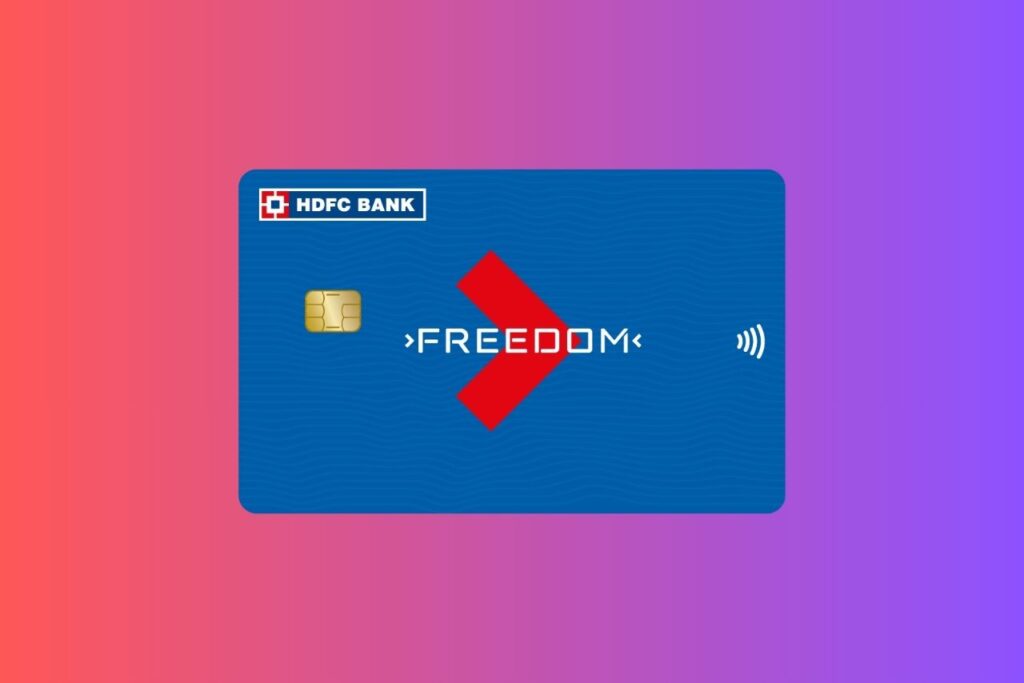
- Joining/ Renewal Fee: ₹500
- Minimum Income(Salaried): ₹12,000/month
- Minimum Income(Self-Employed): ₹6 lakh per year
- Minimum Age: 21 years
- Features
- 10% off on Swiggy Dineout
- 1% fuel surcharge waiver.
- 10x reward points on SmartBUY and PayZapp and 25x reward points on birthday spends.
- Ideal For: People who use credit cards for daily expenses.
Alternative Options
Individuals who don’t meet the income criteria or lack the credit history to get a credit card can use secured or Fixed Deposit (FD) backed credit cards. These cards require a fixed deposit as collateral and are also easier to qualify for.
IDFC First WOW credit cards
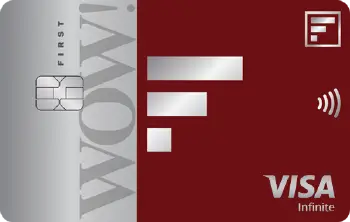
- Joining Fee: Nil
- Renewal Fee: Nil
- Minimum FD Amount: ₹20,000
- Minimum Age: 18 years
- Features:
- Up to 4x reward points on every spend
- 6.3% interest p.a for the FD
- Credit limit up to 100% of the FD
- Ideal For: First-time users looking to build credit history.
Kotak811 Super.Money Secured Card
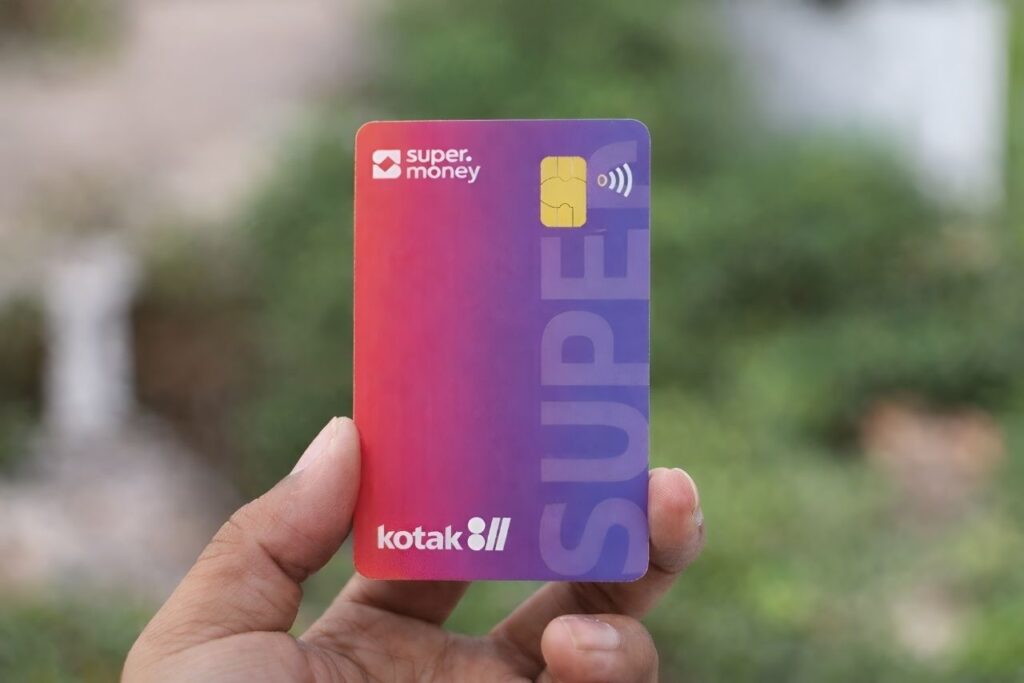
- Joining Fee: Nil if FD is above ₹5000
- Renewal Fee: Nil
- Minimum FD Amount: ₹5000 for a free physical card, ₹1000 for a credit line
- Minimum Age: 18 years
- Features:
- 5% cashback on Myntra
- 3% cashback on Cleartrip
- 2% cashback on Flipkart
- 1% cashback on all UPI spends
- Ideal For: People who need credit cards at low FD amounts.
Conclusion
Regardless of the card you choose, using it responsibly is essential. Paying your bills on time, keeping your credit usage low, and avoiding unnecessary expenses can greatly improve your creditworthiness. Starting with the right credit card today can lead to better financial opportunities, higher credit limits, and premium cards in the future.
Written by Nila Maria Jacob