
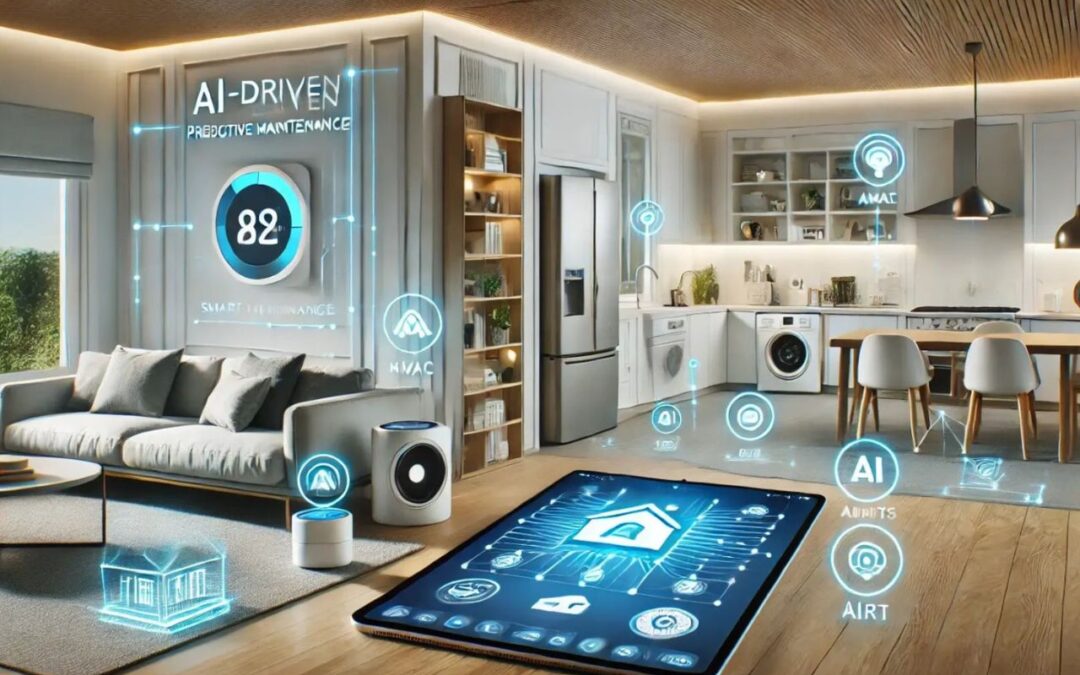
Synopsis: By 2030, Indian homes will be equipped with AI voice assistants, smart bathrooms, and toilets that monitor health along with other advanced technologies. This article highlights 15 such technologies which will help shape the future homes of 2030.
Future homes are expected to be modern, automated and contain eco-friendly products. As these technologies get affordable and more widespread, they are being used increasingly by common households.
15 Technologies That Will Be Common in Every Indian Home by 2030
1. Homes that Understand You
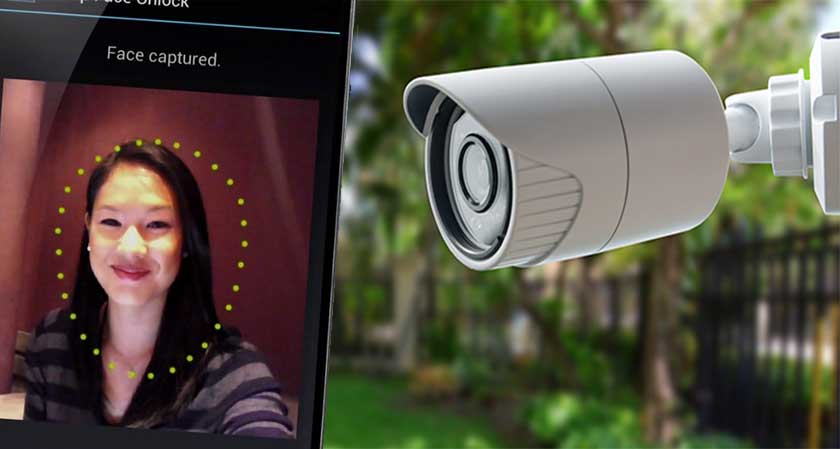
Home security systems that recognize residents. The futuristic technology of Indian homes is likely to include AI as well as environment sensors for residents. Face recognition for entry into the house, Voice controlled lighting and appliances, AI assistants all throughout the rooms, Smart mirrors with daily weather and outfits, Personalized temperature and lighting. All these technologies are likely to make life easy at home.
2. Intelligent Bathrooms & Toilets
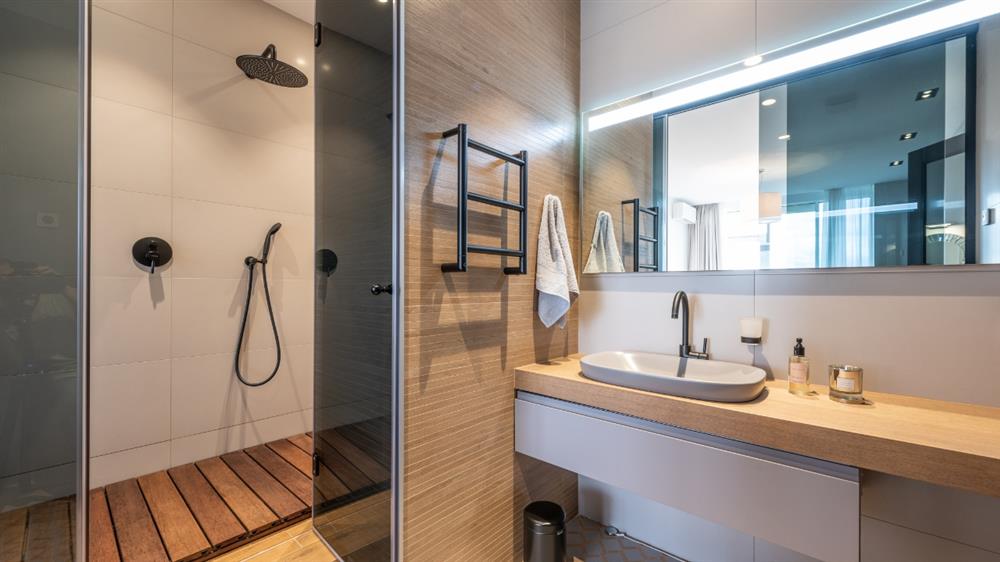
Using technologies available today in many other nations such as China and Japan, this technology would focus on hygiene, comfort, and health monitoring. Bathrooms may become one of the most technologically equipped places in a house by 2030. Heated toilet seats, Automatic lid openers and flushing systems, Self-cleaning toilets, Intelligent showers with preset temperature control, Sensors for health monitoring that measure basic health parameters
3. Houses that Clean Themselves

Automation would decrease the time required for daily cleaning jobs. Integrated vacuum cleaner installed in walls, Robot cleaners for cleaning floor and windows, Self-cleaning kitchens and bathrooms, Waste segregation smart bins, Automatic laundry and cleaning reminders
4. Solar Power & Self Sufficient Homes
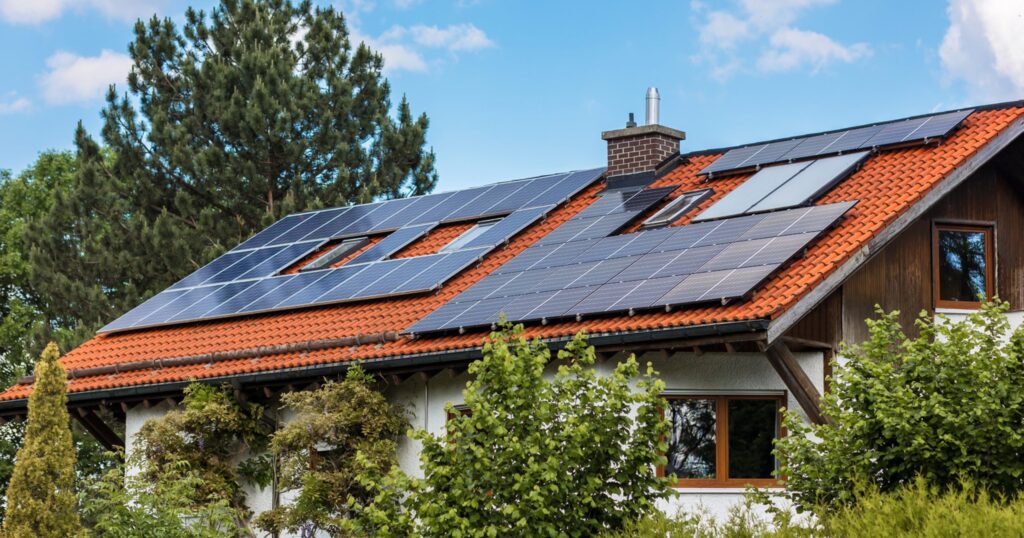
The homes of the future won’t just consume resources but would also generate them. Solar Roofs & Windows, Energy Storage Systems, Rainwater Harvesting, Smart Energy Dashboard Management System, Kitchen Gardens
5. Automatic parking and Charging of EV
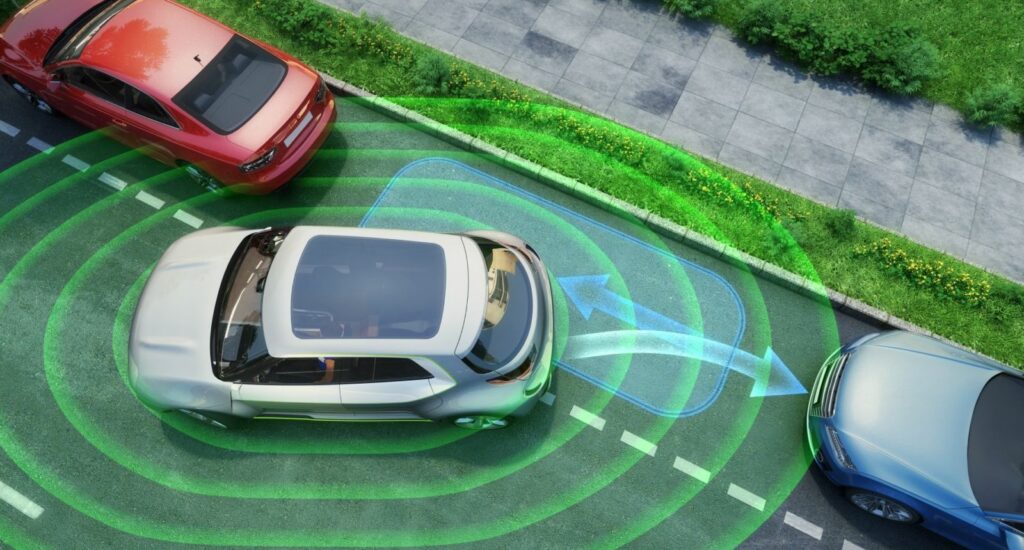
Due to increasing popularity of EVs, future buildings will need advanced parking and mobility systems. Automatic car park towers, charging stations for electric vehicles, entry systems with number plate recognition, visitor parking management systems, vehicle tracking and navigation.
6. Wellness-Oriented Living Spaces
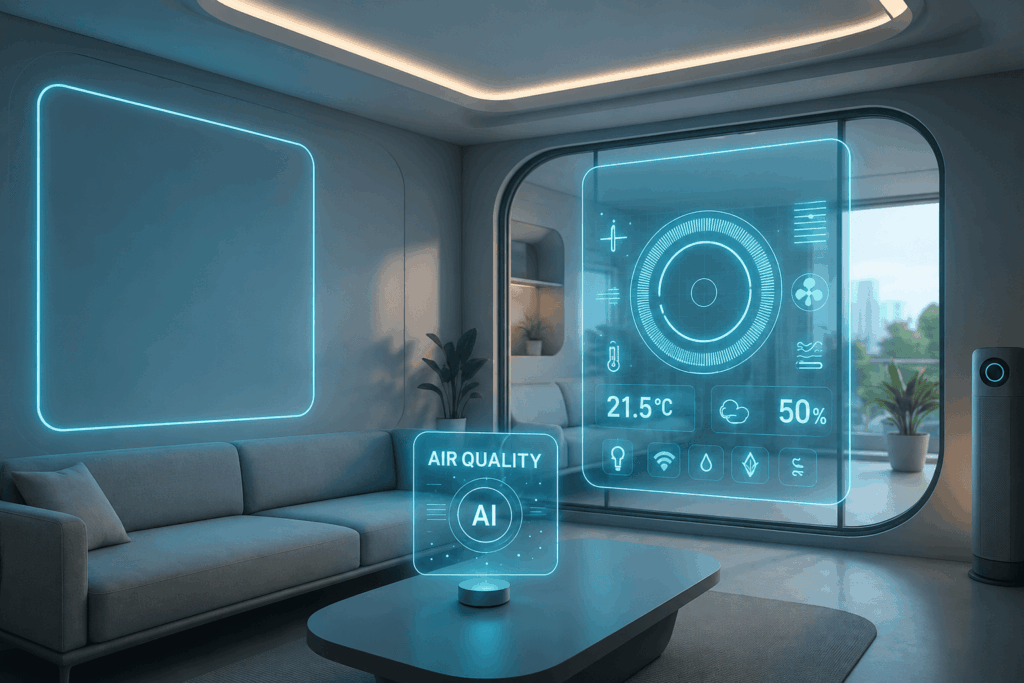
Not just comfortable but also oriented towards improving physical and mental health of the residents. Air quality management systems, lighting system that promotes sleep, intelligent beds and sleep trackers, noise reduction systems.
7. Kitchen of the Future
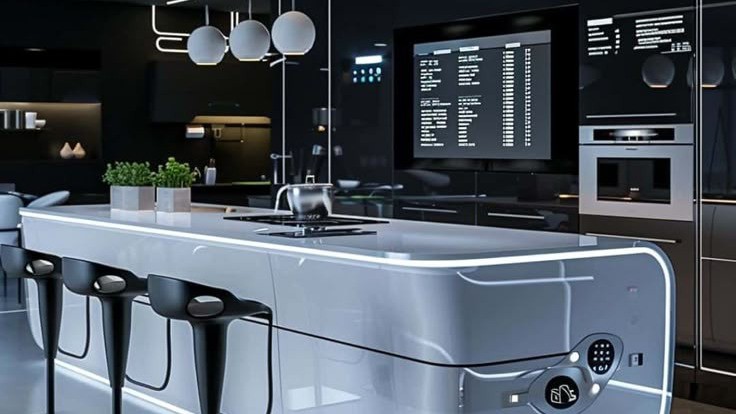
Smart kitchen appliances powered by AI would help us manage our food and groceries. Smart fridges that manage your inventory, smart ovens that cook using AI, voice-controlled appliances. This would not just prevent wastage but also improve efficiency in the kitchen.
8. Rooms that Change Instantly into Something Else
With the increasing urbanization and the space becoming limited, rooms will be designed in such a way that they can perform more than one function. Folding beds concealed in walls, Moveable partitions and walls, Multi-purpose furniture system. In one room, you could work, exercise, entertain and even house guests.
9. Intelligent Glass and Automatic Climate Control Windows
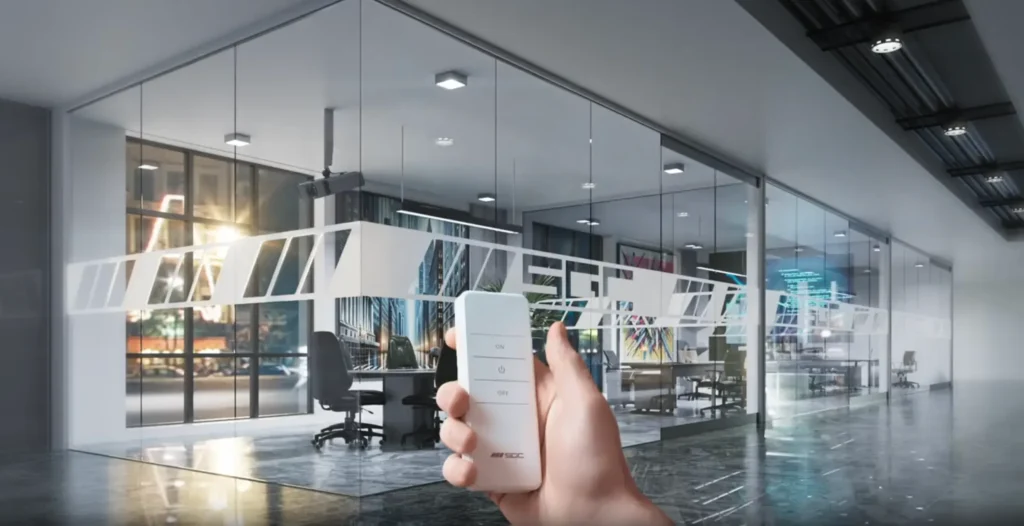
The windows of tomorrow may not serve just the purpose of offering views. They can have advanced properties that help with comfort and privacy. Windows which adjust opacity according to requirement, Tinted windows automatically adjusting themselves to sunlight, Heat-blocking windows, UV-blocking windows
10. Technology for Connected Community Living
Future residences may form parts of smart community spaces wherein services, security, and amenities may be digitally connected. Residents may be able to take care of all their day-to-day activities using a single app. Society management via apps, Smart parcel drop-off boxes, Visitor management through apps,
11. Fun without a TV
Tomorrow’s living room may be very different from today’s living rooms as entertainment systems replace traditional bulky televisions. Entertainment systems could integrate well with the interior design of the house. Projectors from the ceiling, Wall-sized display panels, Voice-commanded entertainment systems, Immersive sound technologies
12. Indoor Farming and Smart Gardens
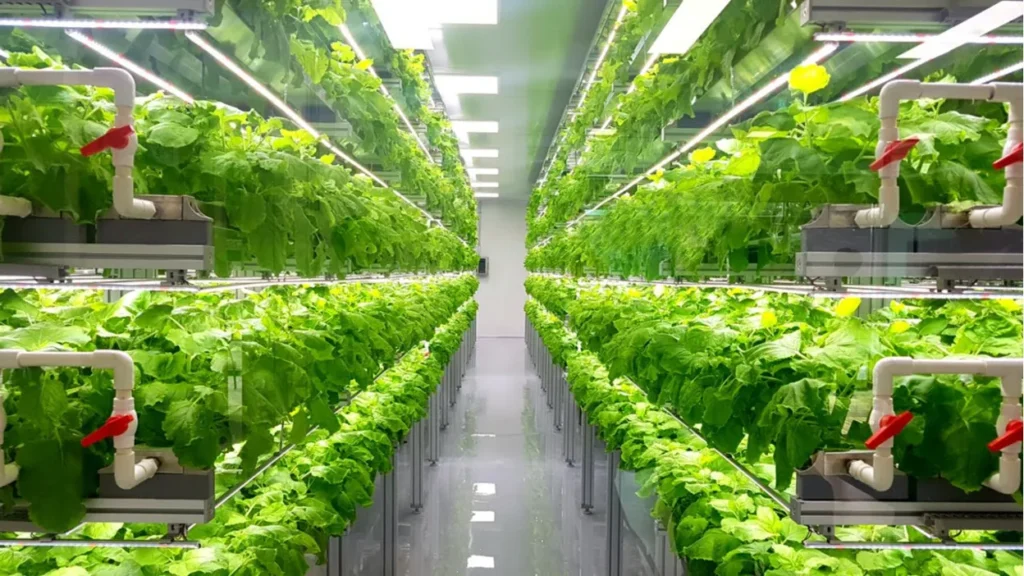
Home-based cultivation of fresh vegetables would be made possible through automated gardening devices. Even apartments would be capable of harvesting herbs, veggies and fruits throughout the year. Hydroponic farming systems, Smart irrigation technology, Indoor vertical gardens, Climate-controlled growth chambers
13. Voice-activated Building
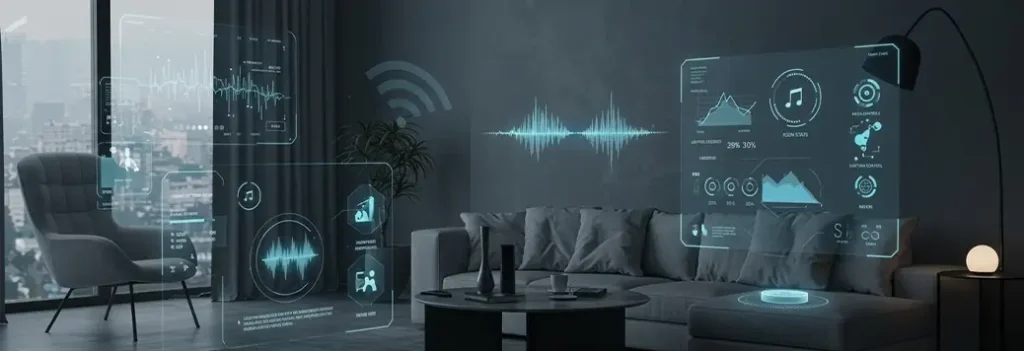
Apart from being used in single devices, voice technology might be incorporated into entire homes and buildings too. Most common operations could be controlled through commands. Voice-activated lifts, Smart gates and doors, Lighting system controls, Voice-controlled household gadgets, Hands-free visitors access
14. Smart home solutions for pets
It won’t be limited to humans but even the pets will benefit from advanced technologies. Future houses may have special devices aimed at caring and monitoring animals. Pet food dispensing devices, Smart water dispensing devices, Activity tracking for pets, Artificial intelligence camera systems for pets, Mobile application for remote control
15. Predictive home maintenance
Through the usage of sensors and artificial intelligence, systems would be monitoring household appliances, utilities and infrastructures all the time. AI-driven diagnostics of home appliances, Leaks and water damages monitoring, Electrical power monitoring systems, Predictive maintenance notifications, Automatic service scheduling
Conclusion
As technology becomes more cost-effective, many futuristic elements might come into existence in common Indian households. By 2030, there is a chance that homes will have advanced technology for the sake of creating safer and healthier lifestyles.