
Synopsis: The government of Karnataka has come up with the Greater Bengaluru Authority Parking Rules for the year 2026. These rules are going to bring in paid parking permits for residential parking and prices that are based on demand. This is all being done to make parking management better in Bengaluru.
The Greater Bengaluru Authority Parking Rules for 2026 are a set of rules for parking in Bengaluru. This is not the first time the city is trying to do something about parking, the city has tried to regulate parking a few times before but this is the 3rd attempt in over 10 years. The main idea behind these rules is to stop people from parking for free on the side of the road in Bengaluru. Instead the city wants to have a system where people pay for parking, the city also wants private companies to invest in parking facilities.
Is there a Need for New Parking Rules?
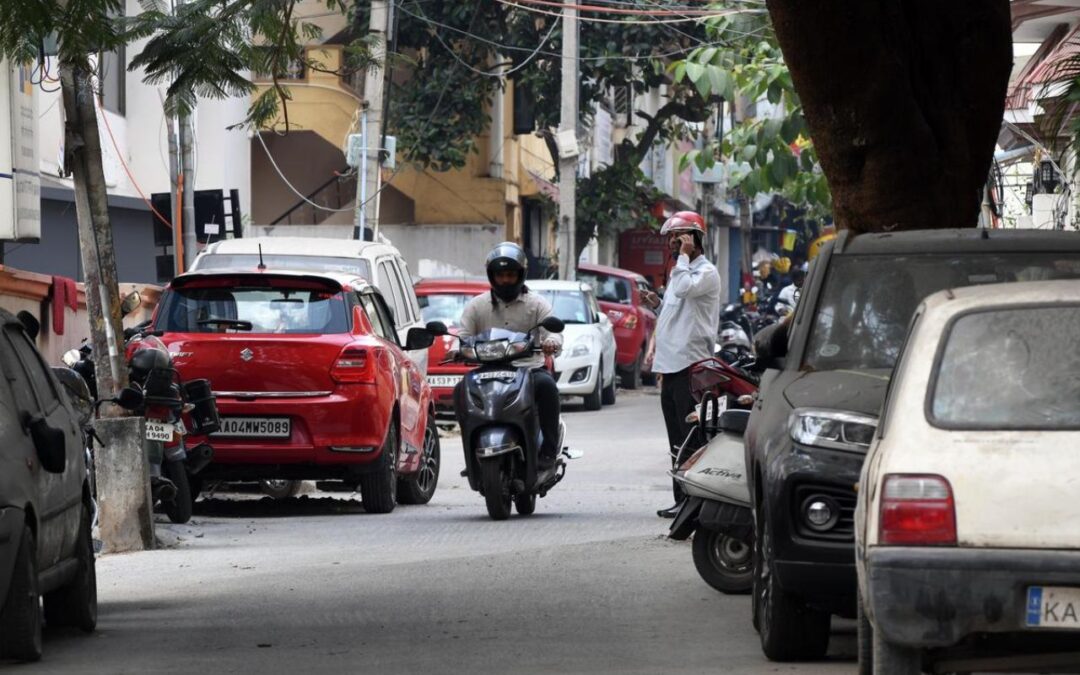
Bengaluru is seeing a lot of vehicles on the road and as of May 2026 there are 1.27 crore registered vehicles in Bengaluru, this includes 86.93 lakh two-wheelers and 25 lakh cars and every month around 65,000 new vehicles are added to the city. The problem is that there are not enough parking spaces, Bengaluru’s vehicle population is growing fast, the roads are still the same. People are parking their vehicles on the roads, footpaths and empty public spaces because there are no parking rules and this is leading to more traffic in the city .
Key Highlights of the Draft Rules
Proposed Parking Charges
The draft policy introduces different parking charges based on location and vehicle type.
Non-Residential Parking Fees
Residential Parking Permit Fees
Also read: How Much Does a 3 BHK Home Cost Near ISKCON Temple Bengaluru? Prices, Top Locations & Projects
How Will the Rules Affect Residents?
If this plan is carried out people living in the area might not be able to park for free on roads near their homes anymore. Parking in areas will work differently with a permit system in place, the cost of parking will change depending on how much demand there is and where you are. The plan also suggests moving long-term parking from public roads by building more parking facilities off the streets.
Incentives for Private Parking Facilities
To make more parking spaces available the draft suggests that owners of land could turn their land into public parking. If they do, they might not have to pay property taxes ranging from 5 to 35 years, they have to keep the parking facility open for at least 250 days a year and 12 hours a day and it has to have a certain number of parking spaces. The rules also encourage building -level car parks using automated parking systems and working with private companies, on public-private partnership projects.
Implementation Challenges
Many urban planners think that Bengaluru needs to manage parking better but they do not agree on how to do it. Some people think the city should make sure that buildings follow the rules, stop stores from using parking spaces for things and get rid of cars parked on the side of the road, they should do all this before they start charging people to park. Other people think that if the city charges people to park it will stop them from driving much and make them use buses and trains more but this will only work if the city does it slowly.
Conclusion
The draft GBA Parking Rules 2026 want to make parking in Bengaluru more organised by bringing in paid parking, residential permits and stricter parking rules. If the rules are implemented well they could help reduce traffic congestion and could also help make use of Bengaluru’s limited parking space. However they are still in the draft stage and may change after people give their feedback.