
Synopsis: The rise of “Dark Stores” has made 10-minute deliveries the new standard. India’s dark stores are growing beyond metros. With the network expected to explode from 2,525 to 7,500 facilities by 2030, quick commerce is moving beyond the big cities and into smaller towns.
Indian quick commerce has shifted toward “dark stores”–micro-fulfillment centers within a 1-3 km radius–to enable 10-15 minute deliveries. While initially focused on metros, one-third of these facilities are now in Tier-2 cities. By 2030, the network is projected to triple, growing from 2,525 to approximately 7,500 locations. This growth presents a significant opportunity for property developers and investors in the rapidly expanding sector.
The process of how Dark Stores allow delivering within 10-15 minutes
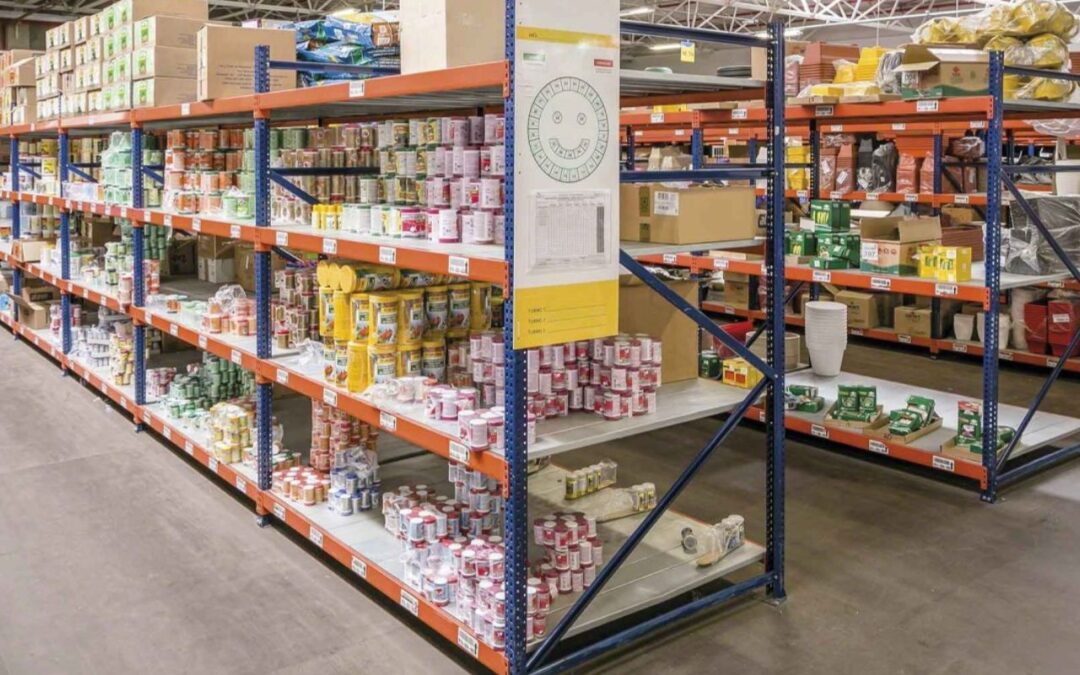
Dark stores have been designed to be fast and dense, as opposed to the experience of walking in, and have high-velocity SKUs packed in narrow aisles, app-directed picking that reduces fulfilment to minutes and locations selected such that riders often travel fewer than 1-3 km, although sophisticated inventory and routing solutions have increased rider productivity and reduced the per-order costs by keeping the average delivery time within the 10-15 minutes range.
Metro Strongholds And Capacity Gaps
Even in Tier-1 cities, the largest networks still exist, featuring NCR, Bengaluru, Mumbai and Chennai in the lead, although even in these areas, consultants are reporting that there is a significant disparity between the required and actual dark-store capacity, forcing out-of-city operators to suburban and secondary micro-markets and providing a new real-estate proposition of mid-sized, well-situated boxes instead of just prime high-street locations.
Dark Stores Lighten Up Tier-2 Cities
With the increasing affordability of real-estate in Tier-2 cities and smaller towns, an expanding proportion of India’s quick-commerce dark stores now have access to Tier-2 cities and smaller towns (one-third) and facilities are now reaching breakeven sooner than in metro-centric areas as the proportion of smartphones and the growth of digital payments of all kinds enable facilities to reach break-even faster, transforming q-commerce (metro-experiment) to a mass-market channel that is steadily extending into long-tail locations.
Platforms Strategies Retailers Strategies
Hundreds of new dark stores are being added each year by pure-play quick-commerce firms, optimizing catchment radii and assortments to achieve daily order quantities, and major chains like Reliance are overlaying ultra-fast delivery on top of existing grocery formats and FMCG giants like Unilever are reweighting channel strategies after quick commerce shares of India sales are projected to continue to skyrocket in the coming years.
Metro vs Tier-2 Dark Store Footprint
| Market tier / city cluster | Approx. share of India’s dark stores | Key characteristics for dark-store operations |
| Tier-1 metros (NCR, Mumbai, Bengaluru, Chennai) | Around two-thirds of total dark stores | Highest order density, tight 1–2 km radii, stronger traffic bottlenecks and higher rentals but best assortment depth and frequency of orders. |
| Tier-2 cities overall | About one-third of total dark stores. | Lower rents and less congestion, fast-growing digital adoption, improving unit economics with rising repeat orders and faster payback periods. |
| Emerging Tier-3 / smaller towns | Still a small but rising share. | Early-stage demand, experimental dark stores and hybrid kirana partnerships as players test where 10–15 minute delivery can scale beyond district HQs. |
Real Estate And The Road Ahead
Consultants have projected increase in dark-store and last-mile logistics space is expected to grow by approximately 13 million sq ft to approximately 38 million sq ft by 2030, with the increase of demand in Tier-1 and Tier-2 cities and the secondary districts becoming important to balance the costs of accessibility and occupancy as India continues to establish itself as one of Asia-Pacific’s fastest-growing quick-commerce markets.
Written By Jayanth R Pai