
Synopsis: This article explains what is meant by total loss in car insurance, when is a car declared as total loss, what happens after and what is the procedure to claim total loss.
In India, compact cars and SUVs make up almost 75% of all motor insurance claims, and out of this, compact cars generate around 44% of claims. Many car owners in India assume they’ll receive the full value of the car as a total loss payout.
However, in reality, insurers calculate payouts on various other factors and not the original invoice price of the car alone. This gap in expectation versus reality leads to disputes and delays in claim settlements.
What Is Total Loss in Car Insurance?
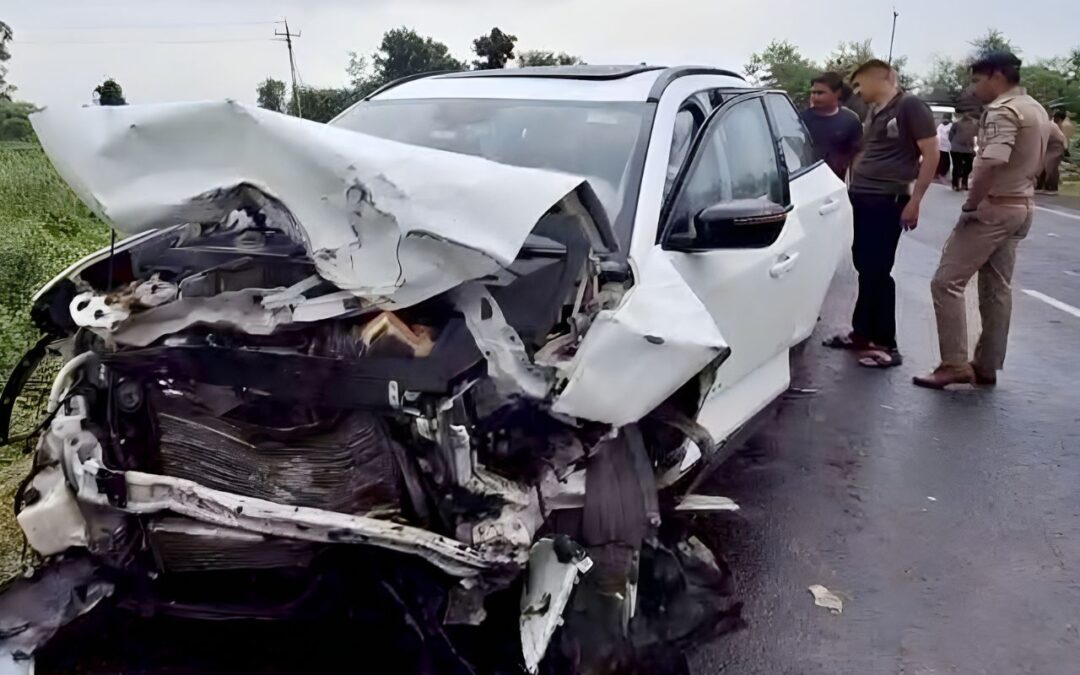
According to IRDAI, a car is said to be a total loss if it cannot be restored to a roadworthy condition. In simpler terms, if a vehicle is damaged beyond repair, it’s considered to be a total loss by the insurers.
When Is a Car Declared a Total Loss?
According to the IRDAI, if the total cost of repairing exceeds 75% of the IDV, then the vehicle is declared as a constructive total loss or total loss. The IDV is the maximum amount the insurer will pay if the vehicle is declared a total loss. It represents the current market value of the vehicle and is determined before the purchase or renewal of the policy.
Common Scenarios Leading to Total Loss
- Major Road Accidents
- Severe Natural Disasters
- Fire Damage
- Theft with No Recovery
What Happens After a Total Loss Is Declared?
Once the car is officially declared a Total Loss, insurers begin settlement and ownership transfer. The insurer will communicate the final decision to the policyholder and ask for documents such as an insurance policy copy, vehicle registration certificate, driving license, FIR, original invoice, car keys, and claim form.
To close the claim, insurers conduct a vehicle inspection, and a final survey report is submitted. A licensed surveyor would reassess the damage and repair estimates. Based on this final survey report, the insurer would issue a settlement offer.
After the settlement amount is accepted, the ownership of the car is transferred to the insurer or a salvage buyer appointed by the insurer. Finally, the vehicle records are updated either in person or digitally at the Regional Transport Office (RTO).
Also Read: Budget 2026 Expectations: 5 Expert Suggestions That Could Make New Tax Regime More Attractive
How Much Will You Really Get Paid in India?
The settlement amount on total loss vehicle is capped at its IDV. However, note that IDV falls every year, as depreciation is included while calculating IDV. Therefore, older cars receive very low total loss payout.
For Example, a 4-5 year old car would receive only 40-50% of its original value. In some cases, where the vehicle is damaged but the insurers recover value by selling it as salvage, the salvage amount is deducted from the payout.
Factors That Affect Your Total Loss Payout
- Age of the Vehicle
- Policy Type
- IDV Chosen at Policy Purchase
- Claim History and Add-On Covers
- Type of Damage
What Is the Total Loss Claim Procedure?
- Inform the Insurer Immediately: As soon as the car is damaged, intimate the insurer, note the claim reference number. Delay in initmating the insurer can lead to complications or even rejection of claim
- File an FIR: An FIR is mandatory if the car is stolen, or damaged due to major accidents, fire, natural calamities, etc
- Submit Required Documents: Once you register the claim, submit the documents asked. Incomplete documentation can lead to delay in closing claims.
- Vehicle Inspection and Survey: An insurer appointed licensed surveyor should submit a detailed report with photographs and cost estimate to the insurer.
- Settlement Offer and Acceptance: Based on the surveyor’s final report, the insurer will issue a settlement offer and the policyholder should accept the offer in writing.
- Payment Timeline: After completion of the above steps, the insurer will process the payment via NEFT or direct bank transfer, and it usually takes 15-60 days for the settlement to complete.
Conclusion
Understanding how total loss and constructive total loss are defined, how IDV is calculated, and what factors influence the final settlement can help policyholders make informed decisions.
Ultimately, being aware of how total loss payouts really work empowers car owners to set realistic expectations and avoid unpleasant surprises when they need insurance support the most.
Written by Nila Maria Jacob