
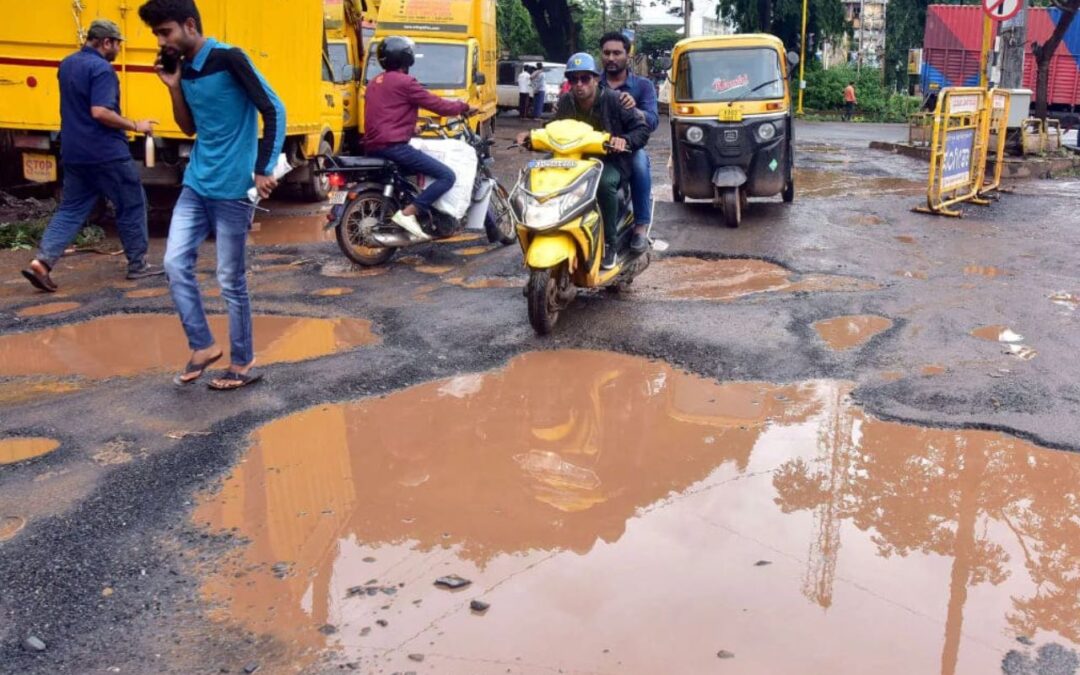
Synopsis: The booming economic and urban growth rate in Bengaluru has surpassed the development of the core infrastructure in the city. Traffic jams, scarcity of water, flooding, high cost of living – the pressure is becoming apparent in day-to-day life.
The skyline of the city is still undergoing changes with new tech parks, high-rise apartments, flyovers, and metro lines. However, as the economic activity and population are galloping well above the ground, the infrastructure that had to sustain it has been falling behind. Traffic jams are still high despite of the expansion of Namma Metro, flyovers and development of Outer Ring Road. The problem is not confined to the single civic inconvenience anymore; it is an indicator of the deeper imbalance within the growth of the urban areas and the infrastructure capacity.
9 Signs Bengaluru Is Outpacing Its Infrastructure
1. Traffic that Infrastructure Can’t Absorb
The average Bengaluru speed is 14-18 km/h in the peak-hour (peak hours), and hence the city has become one of the slowest moving major cities in the world. The rush hour can be 45-60 minutes on a 10km commute. The total number of registered vehicles in the city has increased to 1.1-1.2 crore, and there are almost 1,500 new vehicles every day. Roads built for 5lakh vehicles now handle 20lakh vehicles.
2. Metro Expansion Is slower than Urban expansion
Bengaluru has grown its population by almost half in the past decade and expansion phases of the metro have been delayed by 2-5 years in various corridors. By the time metro lines are completed, new suburbs have expanded beyond them.
3. Dependency on Water Tankers
Bengaluru has an approximate water demand of 2,600-2,800 MLD, yet most of the time the supply has failed to satisfy the demand particularly during the summer seasons. In peripheral regions almost 40-50% of the households rely on tankers implying there are gaps in distributions and ground water has been depleted.
4. Flooding After just One Heavy Rain
Bengaluru, although during a year, it receives a moderate precipitation of 900-1000 mm, is prone to urban flooding following a downpour. The city initially had 800+ lakes all linked together, but several of them have been covered up or lost access to the natural drainage systems. Stormwater drains are blocked..
5. Power Cuts
The highest electricity demand in Karnataka has reached 16,000 + MW, and Bengaluru contributes a major portion to the same, due to the presence of IT parks, high-rise buildings, and commercial centres. During the peak season, maintenance outages and load pressure lead to frequent regional power outages.
6. Drop in AQI
Bengaluru’s Air Quality Index (AQI) has worsened in recent years, deteriorating from “Good/Moderate” levels in 2021-2022 to “Moderate/Poor” in 2025-2026. During winter months, it exceeds 100-130+ AQI.
Also read: Bengaluru Real Estate Market 2030: Will Property Prices Boom or Slow Down?
7. Generation of Wastes
The solid waste discharge in Bengaluru is about 5-6000 tonnes per day. Although the level of segregation awareness has been enhanced, the waste processing facilities have not been able to keep abreast with the population increase.
8. Parking Facilities
Along with 1+ crore vehicles, the organized parking facility of the masses is not as extensive in most areas. This is because illegal roadside parking is increasing traffic as roads which are already congested will be further escalate. The older designs were not made to support large levels of car ownership as experienced currently.
9. Rising Property Prices in Underdeveloped Zones
Developers sell property at high prices showing the ‘future growth potential’ but the residents continue to be exposed to flooding, tanker addiction, traffic jams, and power interruptions even after paying high housing prices.
How Bengaluru’s Growth Is Costing Its Residents
The average professional in Bengaluru spends 2–3 hours a day commuting, which equals approximately 200–250 hours a year—about 10 full days wasted in traffic jams. Tanker water dependency may push up apartment maintenance costs. Recurrent flooding impacts daily life by obstructing commutes. An increase in AQI levels poses respiratory hazards to the city’s residents.
Conclusion
The growth narrative of Bengaluru is strong, however, the development of infrastructure without coordination puts strains in the long term. It is no longer whether the city will grow or not but it already is. The actual issue is whether infrastructure planning has to speed up at all to keep up with the kind of Bengaluru that is being constructed.
Written by Boyapati Sai Jasmitha