
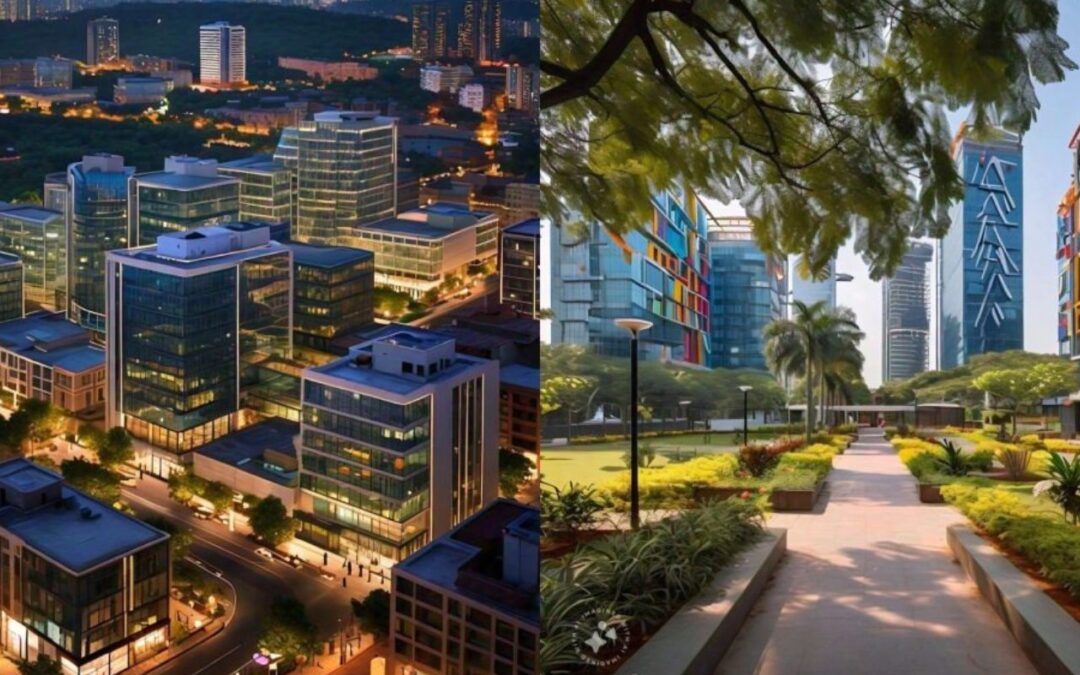
Synopsis: Tier-1 cities like Mumbai, Gurgaon, and Bangalore have become very expensive to buy property in recent years. With skyrocketing prices and squeezed yields, the real growth story may be shifting elsewhere. Now, many investors and homebuyers are increasingly looking toward Tier-2 cities due to fast growth.
In recent years, infrastructure and economic activities in tier-2 cities like Indore, Mohali, Coimbatore, Visakhapatnam are growing at a fast pace. So, now people can see a bright future in tier-2 cities too. In last one decade, most job opportunities was only in few cities like Bangalore, Mumbai, Pune and Hyderabad. So, these cities started overcrowding.
Tier-1 cities such as Mumbai, Delhi, Bengaluru and Chennai have been the primary drivers of the real estate growth of India over the decades. These cities are associated with good employment, international business, and developed infrastructure that drove up the costs of property by 12-15% every year. So, the gap between income and property prices is growing.
Conversely, faster growth is being experienced in Tier-2 cities like Indore, Lucknow, Mohali, Lucknow, Coimbatore and Visakhapatnam with better connectivity, FII investments, new corporate establishments and homes/apartments have 40-60% lower prices than metros. With the increasing urbanization outside the traditional centres, Tier-2 cities are growing as wealth-generating hubs. For example, ₹15 billion worth investment by Google in Visakhapatnam will create huge job opportunities in the area.
10-Year Wealth Creation Comparison: Tier-1 vs Tier-2 Real Estate
| Metric | Tier-1 City | Tier-2 City |
| Property Type | 2BHK in gated community with amenities | 2BHK in gated community with amenities |
| Current Price (2026) | ₹85–90 lakh | ₹45–55 lakh |
| Avg Price per sq ft | ₹7,000–8,000 | ₹4,500–5,500 |
| Expected Annual Growth (CAGR) | 6–7% | 9–12% |
| Value After 10 Years (2035/36) | ₹1.6–1.7 crore | ₹1.15–1.55 crore |
| Rental Yield | 2–3% | 3–4% |
| Entry Barrier | High | Moderate / Affordable |
| Liquidity | Very High | Moderate |
| Risk Level | Lower | Moderate |
| Wealth Creation Style | Stable compounding | Faster percentage growth |
Also read: 8 Rising Tier-2 Cities in India Set to Become Mega Cities by 2050
Moreover, Quality of life in tier-2 cities is much better compared to tier-1 cities including less financial stress, less traffic, pollution like in places of North India like Gurgaon, Noida have high deteriorating air quality in winters making these places unfavorable to live in.
Conclusion
Due to the low cost of land and operation, investors are choosing to expand to tier-2 cities. Investing in tier-2 cities will be profitable in the long run. The cities are becoming more business friendly due to newly developed expressways, airports, freight corridors and metro growth. Job opportunities are growing due to manufacturing hubs, data centres and Global Capability Centres (GCCs) beyond Tier-1 metros. Urban development is also increasing faster due to government investment in infrastructure and Smart City projects. The combination of these forces generates a long-run housing demand, which contributes to the value growth of the property prices in the Tier-2 markets.
Written by Boyapati Sai Jasmitha