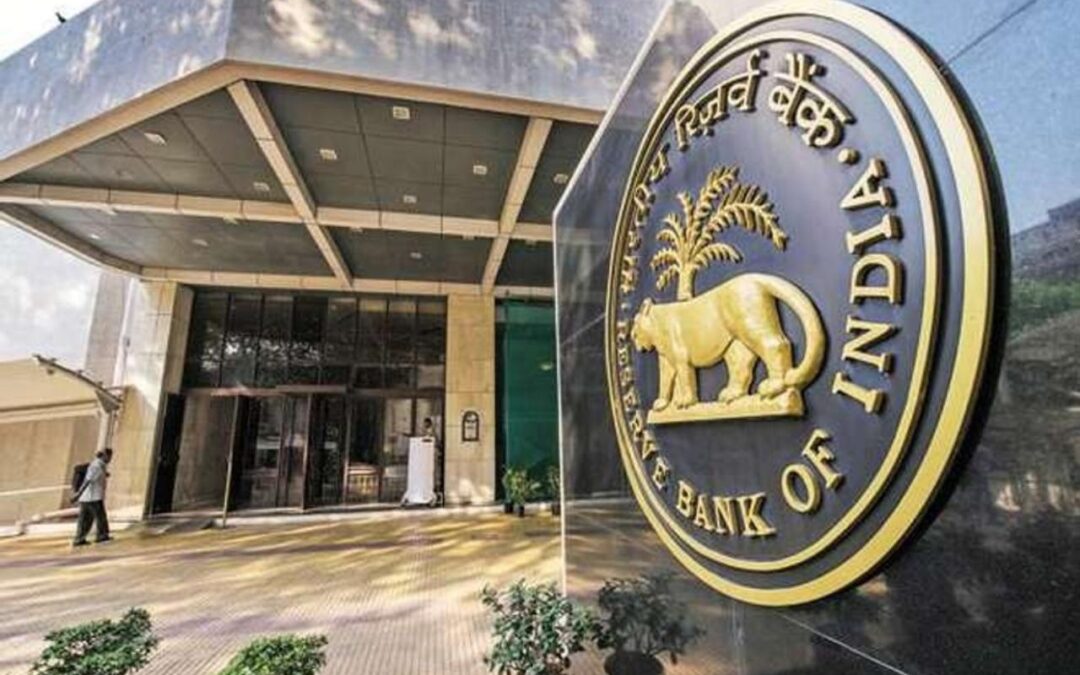
Synopsis: India has been using paper notes for a long time but polymer notes have a potential to be better because they last longer and are harder to fake, they are also cheaper to replace when they get old or torn. This explains why the RBI is looking at it as a replacement.
India’s currency notes are not made from book or newspaper paper, they are printed on material that is mostly cotton and cotton rag, this makes them stronger and more durable. Plastic currency notes which are also called polymer notes, are made from flexible plastic. These notes last longer, withstand wear and tear better than traditional paper notes. Both paper and polymer notes are used as money but they are made differently which affects how long they last, their security features, how much they cost to make and their impact on the environment.
Durability: Which Note Lasts Longer?
Paper notes get worn out quickly because so many people handle it, it can rip easily. Get dirty after a while, water and moisture can also hurt paper money. This is particularly true for the bills that people use all the time so they need to be replaced more often.
Plastic notes are different because they are made to be stronger, they can get wet but still be okay. They are also harder to rip and can handle being used every day much better than paper notes. Some banks that use plastic notes say that it can last two to four times longer than paper notes which means they do not need to replace it as often as they replace paper notes.
Security Features: Which Is Harder to Counterfeit?
Regular paper notes have several security features that help us figure out if they are real, like watermarks and special threads that you can see when you hold them up to the light. They also have writing and pictures that change color when you move them and we are all used to seeing these things on our money as they have worked well for a long time.
Notes made of plastic are even safer, they can have windows that you can see through and really cool holograms that are hard to make. The designs on these notes are also really complicated and hard to copy. This makes it very difficult for people to make plastic notes and it is also very expensive to try that is why plastic notes are considered to be more secure than paper notes.
Also read: 5 Best SBI Investment Schemes Offering Up to 7.05% Interest: Which One Should You Choose?
Cost of Printing: Which Is Cheaper?
Paper notes are cheap to print at first because we know how to make them and the materials are not costly.However, paper notes do not last long and need to be replaced often which increases costs, over time.
Plastic notes are more costly to make at first because they need materials and printing methods but they last longer so they do not need to be replaced as often as paper notes. Many central banks that use polymer currency have saved money in the long run.Each note costs more to make but printing and replacing notes is not needed as often, this can lower the cost of managing currency circulation.
Cleanliness and Hygiene: Which Performs Better?
Paper notes get wet and dirty over time, they absorb sweat and dust. Since paper is like a sponge, paper notes can get worn out quickly and they can also have a lot of bacteria on them when people pass them around.
Plastic notes are different as they do not absorb water or moisture, you can wipe them clean easily. They stay in the same condition even when you use them a lot which makes plastic notes a good choice for countries where it’s very humid.
For a country like India, where people use notes a lot and they get exposed to different kinds of weather, it is important that notes are durable and clean. Plastic notes can handle this kind of use while paper notes have a hard time with this usage.
Environmental Impact: Which Is More Sustainable?
Paper notes are made from cotton which sounds pretty good for the earth at first.The problem is that they do not last very long so we have to make new ones all the time, this means we use a lot of resources to print them, move them around and get rid of the old ones.
Plastic notes are made from a type of plastic called polymer . Even though plastic does not sound very good for the earth, these notes actually last a long time. When we are done using them we can recycle them and make other things out of the plastic. So a lot of banks think that plastic notes are actually better for the earth because they last longer.
Global Adoption: Which Countries Use Plastic Notes?
Polymer currency is not just an idea anymore as over 30 countries are already using plastic currency either for all of their money or just for some of the amounts. Australia was the first country to use polymer banknotes in 1988, after that countries like Canada, the United Kingdom, New Zealand, Singapore, Malaysia, Vietnam, Brunei and Romania also started using polymer currency. Most of these countries started using polymer currency because it lasts longer, it is safe and it costs less to replace. The experience of these countries is one of the reasons why banks around the world are still looking into using polymer banknotes.
Future Outlook
The Reserve Bank of India is thinking about using polymer notes in India and if they do this India will slowly start using plastic money like many other countries and have safer, cheaper and durable currency which in the long term helps the economy.
Written by Shreya Tiwari