
Synopsis: The hospitality industry in India is undergoing a radical change because Tier-2 and Tier-3 cities form the center of growth. In 2024-25, a whopping 75 per cent of the total hotel signings totaling 9,710 rooms in these non-metro areas make up 77 per cent of the total 42,071 branded keys in the pipeline.
Market Overview
The magnitude of this change is pointed out by the compelling statistics. In the first quarter of 2024 alone, 2,316 branded hotel keys were launched, and almost half of the 25 major hotel transactions of the year were specifically oriented at non-metro markets. The ICRA projections indicate that the premium hotels are set to experience a record growth in FY 2026 with the incremental growth rate of 10.5% in the three-year period. This growth is being led by the midscale and upper up end segment, reducing the luxury hotel density in the metros and opening up reachable opportunities in upbeat destinations such as Indore and Kochi. This is directly driven by the after-pandemic revenge tourism which has driven domestic leisure spending to an all time high.
Key Hotspots
Ayodhya
Ayodhya is one of the brightest examples of Tier-3 cities that unlock the great potential with a huge inflow of religious tourism when Ram Temple was inaugurated. Millions of pilgrims are now drawn to the city every year, and the developments such as the Ramada by Wyndham will open in the year 2026. In this case, spiritual devotion perfectly blends with modern hospitality services, and a booming temple economy is established which offers long-term demand all year round.
Jaipur
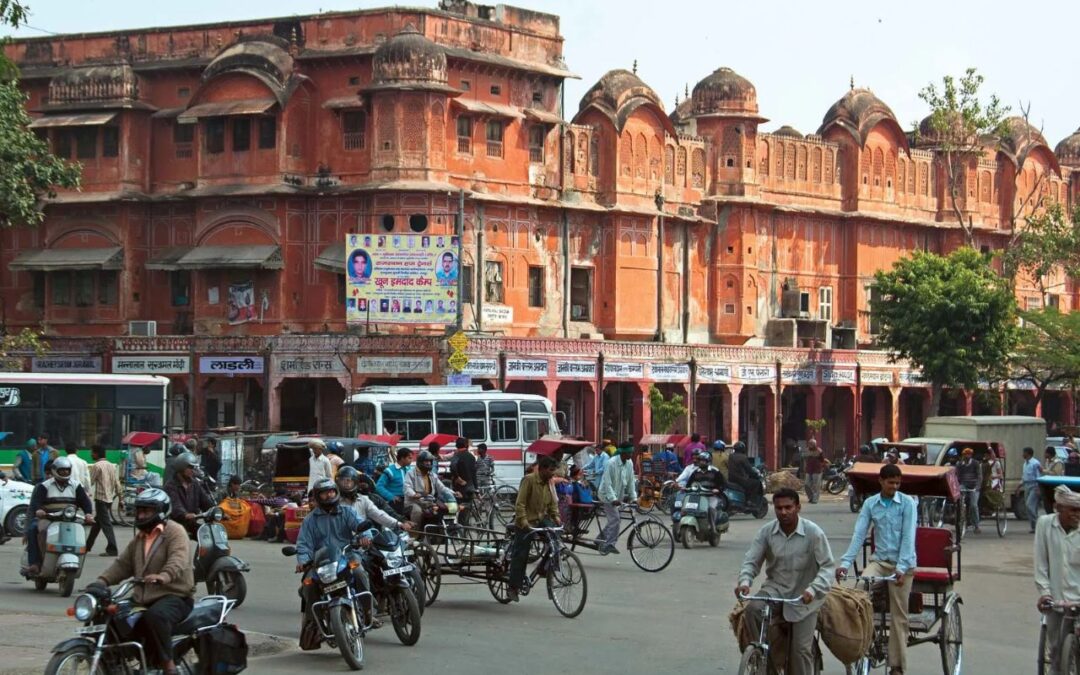
The legacy of heritage and a stable occupancy rate is present in Tier-2 Jaipur due to the cultural festivals, extravagant weddings, and the ever-present tourism. Famous forts and palaces acts as tourist attractions and an assurance of constant foot traffic in branded properties during the seasons. This sustainable combination of leisure activities and conferences, incentive programs and exhibitions (MICE) activity strengthens Jaipur as an invincible hospitality giant.
Indore
Tier-2 Indore is a vibrant business nerve center and MICE events and business travel create insatiable demand. Being the new epicenter of central India, the city combines the major conferences with its famous street-food culture, which attracts both professionals and recreational tourists. Its cost-effective environment is also of great appeal to developers, allowing them to roll out projects at a very rapid pace and in a very scalable fashion.
Kochi
The city of Kochi has a Tier-2 dynamism due to the fast growth in IT sector and the growth in cruise tourism. The alluring backwaters and the coastal ports of the city enhance the desire to stay there on leisure fronts, which appeal to the international visitors and their spice-scented charm. Kochi has further superior connectivity that pre-positions the destination with a strong pipeline of high-end resorts and boutique experiences.
Also read: 7 Underrated South Indian Cities with Strong Return Potential by 2030
Lucknow
Lucknow is a perfect blend of Tier-2 heritage grandeur and the continuous regeneration of urban areas, which support the intensive economic growth. Its Nawabi food, historic architecture and cultural richness sustains new business leisure hybrid models which appeal to contemporary travelers. Infrastructure development still solidifies its position as one of the leading hospitality destinations.
Ujjain/Guruvayur
Ujjain and Guruvayur are pilgrimage sites that are experiencing a transformational growth and their projects like the Holiday Inn (144 keys) and the Novotel resort (165 keys are under construction). The sheer volume opportunities of events such as the Kumbh Mela and day-to-day temple rituals are enormous due to massive seasonal influxes. Custom-made hospitality can be useful in addressing long-standing gaps to loyal visitors who want to have comfort during their pilgrimage processes.
What’s Driving the Boom
Leisure and religious travel are now increasingly predominant including in India where domestic leisure travels and religious travels present 70 percent of the astounding 1.9 billion annual journeys of the Indian people. The government programs like the UDAN regional aviation programs, Swadesh Darshan tourism circuits have significantly enhanced access making more than 50 cities accessible by new airports and highways. The rising incomes of middle-class have boosted demand towards weddings, conferences and staycations where Tier-2 offer a huge spread of facilities at about half the price of metro cities. International branded chains, such as Radisson are vigorously venturing into markets like Khopoli and Saputara, with good prices of land and with the willingness of the locals to get into partnership deals. In addition the offbeat inclinations and Tier-2 and Tier-3 of Gen Z as its members seek relaxation in natural environments with little to no crowds driving further the demand of authentic, experiential accommodations.
Investment Surge
As per JLL reports, more than 40 percent of 25 major hotel deals of 2024 were aimed at Tier-2 and Tier-3 markets. The attractive returns of 15-20 percent of the developers and the private equity firms are high and above the returns of the metros. The country is set to dominate the new hotel openings in Asia-Pacific until 2026 as witnessed by the aggressive signings of chains such as Wyndham and Novotel.
This influx of capital promises upwards of 30,000 more rooms by 2027 with global quality standards of operation infused with local flavor. The size of the boom has seen some conglomerates such as the Adani Group venturing into the hospitality industry in a strategic manner with the opportunity to take advantage of the upward trend of demand. At the same time, hospitality superpowers are evolving: Taj is launching its low-end Ginger brand, and Marriott is launching Neighborhood properties-both of which provide low-end, no frills accommodation at 3050% lower rates than their flagship luxury products, which perfectly fit Tier-2 and Tier-3 mass-market segments.
Lingering Challenges
Irrespective of the euphoria, there are still substantive hurdles. Occupancy rates are hovering between 63–65 percent, which makes properties susceptible to severe seasonality, especially in pilgrimage destinations. Tier-3 areas struggle with acute skilled labor shortages, preventing the delivery of high-end service quality. Infrastructure gaps in more remote locations further increase the risk of demand outpacing capacity and leading to overcapacity pressures. The high influx of branded operators also underscores the need for differentiation to prevent further intensification of competition.
Written by Jayanth R Pai