
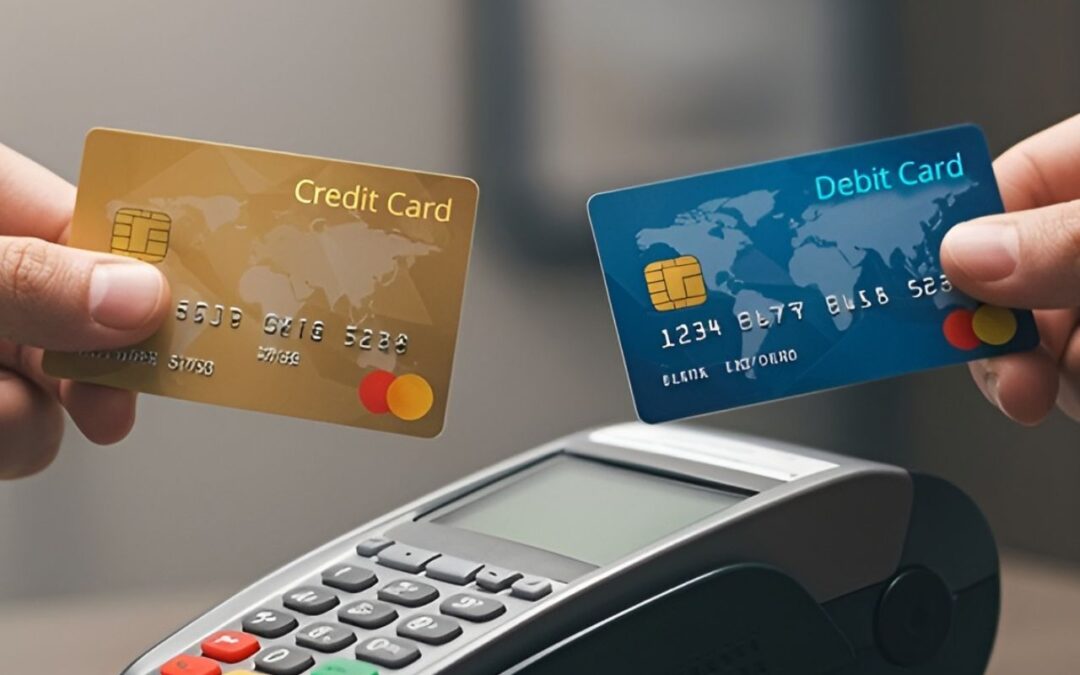
Synopsis: This article compares credit cards and debit cards, how they work, their types with the pros and cons of each. It also highlights key differences to help you choose the right card for your needs.
Credit and debit cards have always been the financial revolution of the world. When it comes to shopping, travelling or daily expenses, these cards are the most popular choices for modes of payment.
Although they look almost identical, they work in two completely opposite ways in terms of fees, charges and the financial impact in the market.
Debit card transactions are done with the money that is deposited or present in your bank account. Credit cards allow you to borrow money from the bank on interest charged according to the bank up to a certain limit.
What is a credit card?
A credit card is a card issued by the respective bank that allows you to borrow money on interest charged loans to make purchases or any money transactions. The money in a credit card can be withdrawn up to a certain limit set by the card holder.
Each has their own subscription based on the card variant. The credit cards can be classified from the basic card with not many benefits to the high-end premium cards with costly subscriptions and higher benefits. The credit cards can be categorized as:
- Standard cards: no annual subscriptions and basic credit lines.
- Premium cards: offer perks like lounge access and other services but come with higher subscriptions.
- Balance transfer cards: A balance transfer credit card lets you move your existing credit card debt from one card to another, usually to a card offering a lower interest rate or a 0% introductory interest period. This helps reduce interest costs and makes repayment easier by consolidating debt into one card.
- Secured cards: these cards require a refundable deposit as collateral in order to get the card
- Co-branded credit cards: cards that are issued by the financial institution and banks by partnering with brands like Amazon, Flipkart and More.
Pros of credit cards
Owning credit cards has its own perks like discounted prices and deals. Let’s look at the right side of credit cards.
Credit score: the usage of you credit card is reflected on your credit report. A credit report is an analysis of the card holder’s ability to pay their credit bills on time. This can also benefit the users in the long run when they would want to apply for certain loans of interest.
Warranty perks: purchases with credit cards have their own perks with one of them being warranties. For example, if an item brought by the user from the manufacturer turns out to be a defective piece, the item can be replaced under warranty. In some cases, the credit card company can also provide the coverage for the damaged item in case the warranty expires.
Fraud protection: fraud protection benefits the cards from any unauthorized transactions with enabled quick blocking. Under the RBI guidelines, the Consumer Protection Act, 2019, and the Information Technology (IT) Act, 2000. These legal provisions limit customer liability, mandate bank responsibility, and provide legal remedies.
Convenience: credit cards offer a safe and hassle-free way to make online purchases without any online frauds. Most cards also offer zero liability policies for unauthorized transactions. This holds a significant advantage over debit cards.
Travel benefits: purchases of flight bookings done from certain credit cards offer big-time offers like reduced air fares and unlimited airport lounge access, travel insurance that enhance the experience for travellers.
Cons of credit cards
As far as the usage of credit cards seems nice and convenient, they also have their downsides.
Debt: users not responsible enough with expenditure can often lead to debt traps. Since the user spends the bank’s money and not their own, they are obligated to repay the bank with a certain amount of interest. This can lead to legal problems with the bank.
Credit score impact: not paying the credit bills on time and maintaining a low balance in the account and maxing out the card can signify low credit scores. The low credit scores can be a possible denial for a loan application done in the future. A credit score above 750 is appreciated.
Interest and fees: credit cards are short-term loans with comparatively higher interest rates. The range of credit cards are varied from basic to premium cards with higher benefits. As the perks expand with the type of card, the fees also increase simultaneously. Other fees like joining, annual, late-fee, travel fees are all included.
What is a debit card?
A debit card is a financial tool that draws money out of the user’s bank current or savings account when a purchase is done. There is no borrowing involved unlike credit cards. The transactions are simply done from the bank account. There are three types of debit cards can be classified into the following:
Standard debit card: draw on your bank account.
Aadhaar-linked DBT benefit accounts/cards: where the user’s account is linked with their Aaddhar card and the government subsidies are digitally sent through Direct Benefit Transfer (DBT).
Prepaid debit cards: allow people without access to a bank account to make electronic purchases up to the amount preloaded onto the card.
Pros of debit cards
Just like credit cards, debit cards also have their perks and benefits.
Avoid debt: unlike a credit card which enables you to borrow money from the bank on interest, debit cards allow you to make personal transactions with the money that is present in the user’s account. By using debit cards, impulsive buyers can always avoid credit cards that can pose a threat of debt to them.
Fraud protection: credit cards and debit cards offer protection against fraudulent practices but its higher protection with credit cards. But now, payment processors like Visa or Mastercard have started offering greater protection.
No annual fee: there is a certain annual fee to be paid while using credit cards but however, this does not stand with debit cards. There is also not a fee charge on withdrawing cash from the bank.
Cons of debit cards
No perks and rewards: there are no redeemable points or perks achieved on transactions done by debit cards. They do not offer reward programs like cash back returns or points.
Spending limit: the user is only limited to the balance of the bank account which makes it difficult to make large purchases in case of emergencies.
No credit building: using a debit card will not help you build a credit score for future purposes like loans.
Do All Credit Cards Charge Interest?
Most credit cards do charge interest based on the respective banks. Some cards also have a 0% interest offer. If you pay your full balance every month, the interest charges can be avoided.
Can Anyone Get a Credit Card?
Credit cards are available to most people. An application for credit cards majorly depends on the credit score. Since credit cards are short-term loans, the bank should be able to oversee the fact that the credit cards will be paid on time. Higher credit scores are typically required for more attractive rewards cards.
Is a Credit Card Safer Than a Debit Card?
The safety of credit cards and debit cards go hand in hand. Generally, credit cards have a greater protection service against fraudulent acts. Debit card fraud protection exists but often comes with stricter time limits for reporting unauthorized purchases.
Written by Atin Kevin