Synopsis: Confused between using a credit card or forex card for your foreign trip? One gives unbeatable savings, the other offers unmatched flexibility. This quick yet detailed guide reveals which card delivers the smartest value for different types of travellers.
One of the most important parts of travelling abroad is managing your finances properly. A right way of utilising the money and making informed decisions can make international trips a little more enjoyable for the primary traveller or travellers.
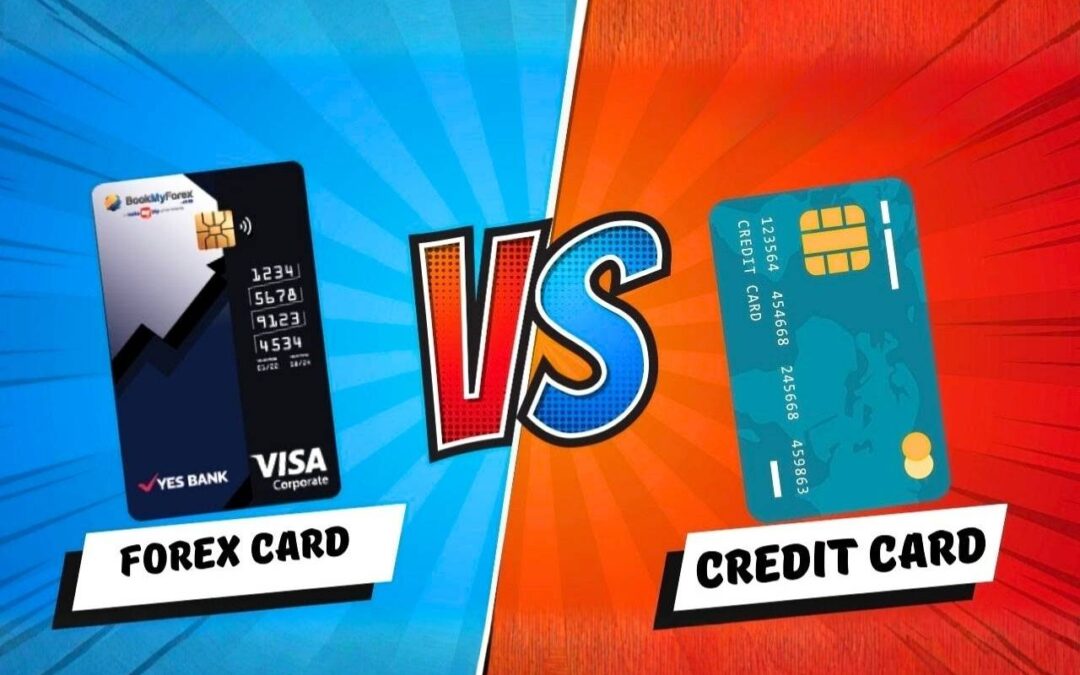
Right now, the two most popular options for international spending are credit cards and forex cards (or Prepaid Travel Card). While both offer a convenient, cashless way to spend, they operate on fundamentally different models.
Continue reading below as this detailed comparison and a handy table are going to be helpful for you in deciding which one is a better match for your next trip.
The Case for the Forex Card
The Forex cards are prepaid travel cards (a prepaid card allows you to spend money you’ve loaded onto it in advance) designed specifically for international use. It is a wise choice for the budget-conscious traveler who seeks a properly organised spending.
- Exchange Rate Protection (Lock-in): This is the single biggest advantage. When you load the card the exchange rate is fixed. This shields you completely from adverse currency fluctuations during your trip.
- Lower Transaction Costs: Forex cards typically charge a significantly lower (often zero) forex markup fee on transactions compared to standard credit cards.
- Security & Budgeting: The risk of theft is limited only to the pre-loaded amount as the card is not linked to your primary bank account. The prepaid nature also encourages sticking to a budget preventing accidental overspending.
- Multi-Currency Support: Many Forex Cards allow you to load and manage multiple foreign currencies on a single card.
Disadvantages of Forex Cards
The major drawback is that you are limited to the pre-loaded amount. If you run out of funds, you must reload the card, which can incur a fee and may not be instant. Furthermore, they generally offer no rewards, points, or extra travel perks.
The Case for the Credit Card
A credit card that is particularly marketed for travel offers huge flexibility and valuable perks.
- Emergency Fund and Flexibility: A credit card offers access to a large credit limit. This feature makes it the perfect backup for unexpected emergencies or large unplanned purchases. You do not need to worry about pre-loading funds.
- Rewards & Complimentary: There are many travel credit cards that offer attractive rewards points, cashback on international spending, airport lounge access, travel insurance, and hotel memberships which significantly adds value to your overall trip.
- Global Acceptance: Credit cards are universally accepted by virtually all merchants, hotels, and online sites worldwide, this reduces the worry of being stranded without a viable payment method.
Disadvantages of Credit Cards
The primary issue is the cost. Standard credit cards levy a high forex markup fee (up to 3.5%) on every international transaction. The exchange rate exposes you to market volatility. Most importantly, using a credit card for ATM cash withdrawals is extremely expensive due to the high fees and immediate interest.
Also read: 7 Best UPI Credit Cards Offering Maximum Rewards & Cashback (2026)
Some Major Differences at a Glance
| Feature | Forex Card | Credit Card |
| Funding Source | Prepaid (Your money) | Borrowed (Credit line) |
| Exchange Rate | Locked-in at load time | Dynamic (Fluctuates daily) |
| Forex Markup Fee | Typically Zero or low | Generally High (2% to 3.5%) |
| ATM Withdrawal Cost | Low Flat Fee | Very High (Fee + Immediate Interest) |
| Security Risk | Limited to loaded balance | Linked to full credit line |
| Budget Control | Excellent (Prepaid limit) | Poor (Risk of debt) |
| Perks & Rewards | Generally None | Excellent (Points, lounge access) |
| Emergency Fund | Requires reloading | Excellent (Access to full limit) |
The Smart Traveler’s Strategy
For the most efficient and secure international trip, the best approach is often to use both:
- Forex Card: Use it as your primary card for all day-to-day point-of-sale (POS) purchases and any necessary local ATM cash withdrawals. This increases the savings on markup fees and guarantees a locked-in rate.
- Credit Card (Zero/Low Markup): Use it as your secondary card or emergency backup for large payments (e.g., hotel check-in security deposits, rental car hold-amounts, expensive meals) or to take advantage of specific rewards and perks. Zero-forex-markup credit cards, while rare, offer the perfect blend of credit flexibility and cost savings for purchases.
Final Verdict: Credit Card Vs Forex Card for International Travel
The better choice is always dependent upon the traveler and the way they spend money or want the rewards for maximum savings. Ideally it is a good idea to use both the cards for an absolute return. However, based on the comparison one can decide whether they need a card which helps in budgeting or a card which is flexible in the overall budget.
The Forex Card is the champion for budgeting – primarily due to the fixed exchange rate and lower transaction/ATM fees. It should be the primary spending instrument for the majority of your daily purchases.
The Credit Card, especially a premium or low-markup one, is invaluable as an emergency fund and rewards earner. It is the best choice for booking flights/hotels and securing vehicle rentals where deposits are required.
Written by Kenbi Riba