
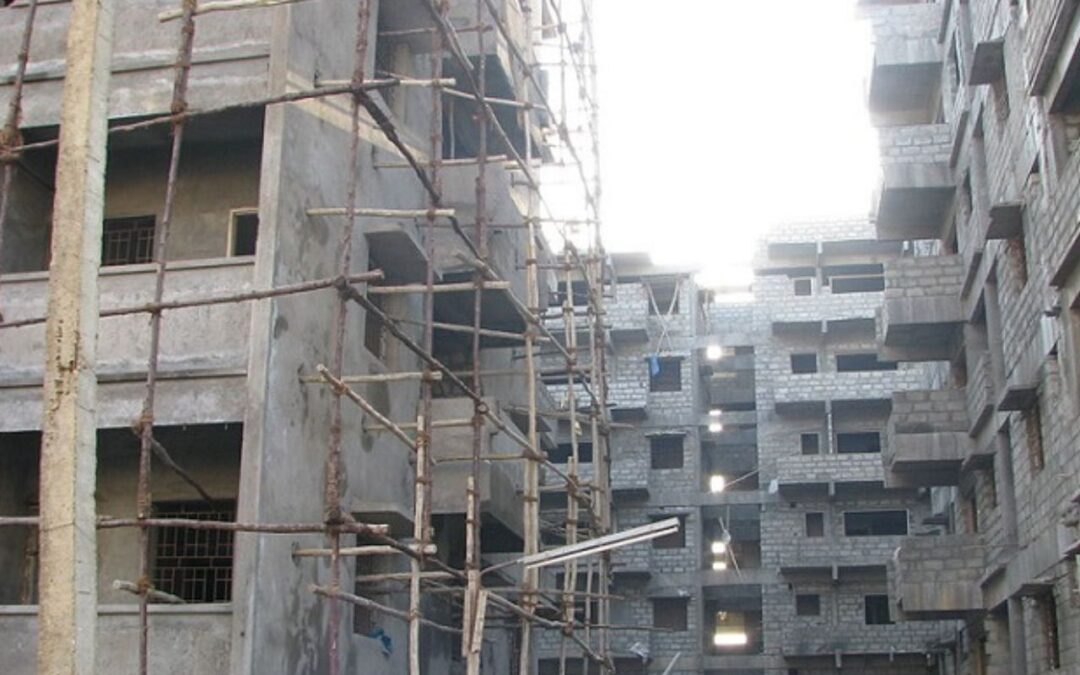
Synopsis: Buying an under-construction flat attracts GST and it varies for metro and non-metro cities. No GST is applicable on ready-to-move-in flats with a Completion Certificate (CC).
After the introduction of GST, India’s real estate sector has undergone a lot of transformation aimed at simplifying taxation for citizens. GST has helped lower the overall tax burden and improved transparency in property transactions. This article explains what is the GST rate on flat purchases in 2026, covering under-construction properties, ready-to-move-in homes, and affordable housing rates.
GST Slabs and Rates
When you purchase a property, there can be one of the three cases:
Case 1: Affordable Housing (Metro and Non-metro cities)
Affordable housing will have 1% GST (without ITC), which will apply to units of up to ₹45 lakhs and a carpet area of up to 60 sqm in metros (Bengaluru, Chennai, Delhi-NCR, Hyderabad, Kolkata, Mumbai MMR) and 90 sqm in non-metros. Non- residential units that are not affordable are charged 5% GST (without ITC).
| Criteria | Metro Cities | Non-Metro Cities |
| Carpet Area limit | Up to 60 sq.m. | Up to 90 sq.m. |
| Maximum price | ₹45 lakhs | ₹45 lakhs |
| GST Rate | 1% (Without ITC) | 1% (Without ITC) |
| Property type | Under-construction affordable housing | Under-construction affordable housing |
Case 2: Non-Affordable Housing
Other residential property which is also referred to as non-affordable housing projects has a GST rate of 5% without any Input Tax Credit (ITC). This rate is charged on residential flats or units which are not covered in the affordable housing requirements.
| Criteria | Details |
| Applicable Property type | Under-construction properties |
| Price Range | Above ₹50 lakhs (exceeds ₹45 lakhs limit) |
| GST Rate | 5% |
| Input Tax Credit | Not Available |
Also read: Tax Benefits on Joint Home Loan with Your Spouse: How Much Can You Actually Save?
Case 3: You are not charged any GST
Ready-to-occupy flats are zero-rated (0% GST) since it is an immovable property under Schedule III of the CGST Act, 2017 and therefore will not be subject to GST once a Completion Certificate (CC) has been issued by the competent authority is handed to the builder. This implies that completed properties or resales (secondary sales) are not subject to any GST and this allows buyers to save greatly although stamp duty (usually between 5 and 8 per cent, depending on the state) and registration fees (about 1 per cent of property value) are still paid.
Old GST Regime
Some of the ongoing projects in the old GST regime (before April 1, 2019) chose to remain in the old structure rather than revert to new rates. Affordable housing was entitled to 8 percent GST (with Input Tax Credit or ITC), and the non-affordable housing was subject to 12 percent GST (with ITC) so that a developer is entitled to write credits on the inputs and can save on overall expenses. The developers however had to transfer these ITC benefits to purchasers under anti-profiteering regulations to make fair prices.
Conclusion
Negotiating GST on real estate under RERA is necessary to help the homebuyers to control costs. The tax structure has been stimulated in favour of affordable housing where 1% rates are charged since April 2019 and non-affordable units are charged 5 percent without Input Tax Credit in under-construction projects; ready-to-move-in houses are fully GST-free. After all, knowing these differences, including the size of carpets and prices of metro or non-metro areas, will enable you as consumers to make informed choices on the tax benefits of the existing regime, as well as the exemption of completed properties.
Written By Jayanth R Pai