
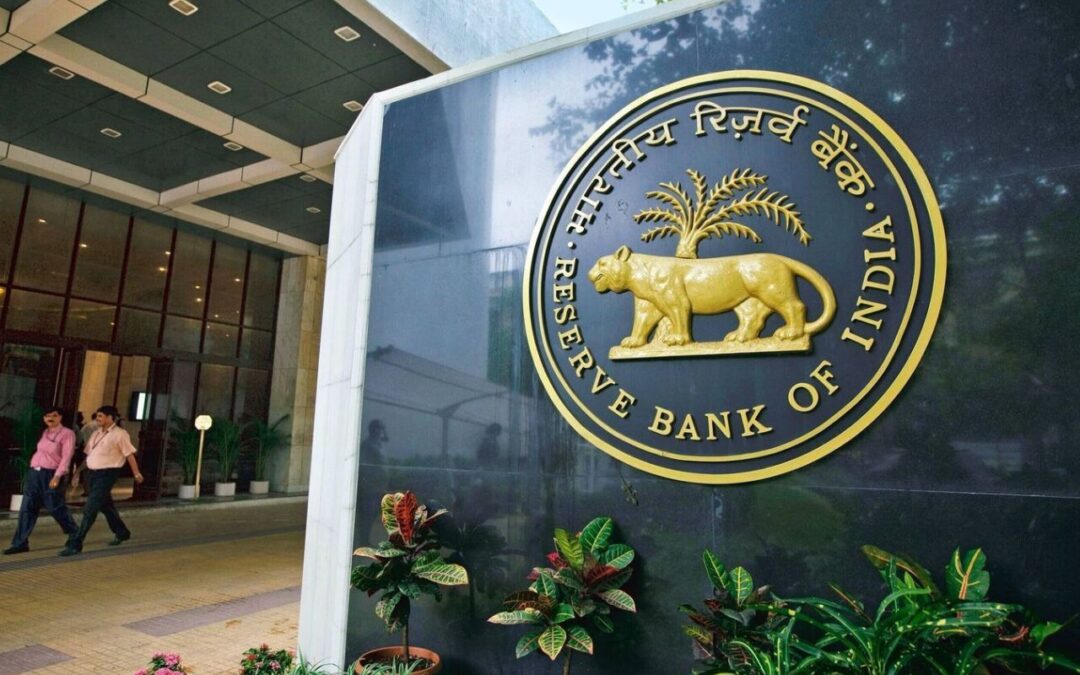
Synopsis: The accumulation of reserves has led to a sudden surge in India forex reserves to record high of $723.8 billion, which is a sudden reversal to declining reserves that occurred earlier in the year. The surge gives the reserve bank of India more power to control the currency swings and cushion effects of global price shocks on the consumer.
India’s foreign exchange reserves have reached unprecedented levels. As of January 30,2026, the Reserve bank of India (RBI) reported that the total forex reserve reached a record of $723.8 billion, being the highest of all times. This showcases the country’s strong external finances. This surge came after a consistent gain throughout late 2025 and early 2026 which includes a jump to about $723.8 billion by January 30,2026 from $709.41 billion on January 23, 2026. India’s buffer of foreign currency, gold and other assets now comfortably covers over 11 months of merchandise imports. This is a sign of strong external stability. This keeps India as the world’s largest holder of foreign exchange reserves.
India started to accumulate its reserves from back in 1991, which were just a fraction on today’s figure, which was barely enough for a few weeks during a balance of payments crisis. For the first time India crossed a $100 billion mark in 2004. Over the past decade, India’s reserve has expanded rapidly, crossing $500 billion in 2020, and $600 billion in 2021 and $700 by 2024. This reflects a growing reserve with strong inflows and prudent management by RBI. This gives the policymakers a greater capacity to manage currency volatility and reduce global shocks affecting inflation and budgets.
What Record High Forex Reserves Mean
With record reserves, RBI has a strong ability to manage sharp movements in the currency market. Investors tend to move towards the US dollar during global stress which puts pressure on emerging-market currencies such as the rupee. When the rupee depreciates rapidly, imports become more expensive. India depends heavily on overseas supplies of crude oil, fertilisers, edible oils, and electronic components, higher prices can translate into broader price pressures across the economy.
A large reserve fund allows RBI to supply dollars to the market which reduces excessive volatility. This can slow the speed and intensity with which global price shocks affect domestic inflation.
For households, the effects of reserves are felt indirectly. A stable rupee helps prevent an increase in fuel costs. Currency stability can help keep everyday expenses from rising too quickly as most goods from vegetables to consumer appliances have transportation costs which influence the final costs of the products.
Lower uncertainty for businesses that use imported machines or raw materials due to smooth management of the exchange rates. This saves the occurrence of sudden price increases, which would be transferred to the consumers.
Also read: US-India Trade Deal: How Will it Impact the Indian Real Estate Market?
Reason for rise in Forex reserves
- RBI operations: Part of the growth was associated with the RBI buying and selling US dollar-rupee in the amount of 10 billion that reduces the dollars to reserve stockpile and assists in liquidity in rupee.
- Gold valuation: Gold prices have been a great factor. The gold stocks in the reserve of RBI have risen considerably. In a recent report, a weekly increment to an approximate of $709 billion was credited to the increased gold valuation alone by approximately 70%.
- Foreign currency asset gains: Exchange rate changes in the RBI foreign currency asset bucket such as the euros, the yen and the pounds also increased in value because of the exchange rate, which increased the total dollar value of the reserves.
- Weight and holdings of gold: India had been reported to have gold reserves of about $123 billion in a previous weekly update with almost $5.6 billion or so added in one week mainly due to change in values.
These new gains are in contrast to previous movements in early 2026 when reserves decreased by almost $9.8 billion to approximately $686.8 billion during the initial week of January and then shot up.
How These Numbers Matter for Inflation and Stability
- Hedge against the volatility: The move of more than $36 billion dollars in three weeks makes India much more resilient to currency volatility without causing the rupee to fall drastically, which contributes to imported inflation.
- Import cover: RBI estimates that this amount of reserves gives over 11 months of merchandise import cover, which is one of the major indicators of external stability.
Large and long-term accumulations of gains on valuation and strategic intervention enhance investor confidence in the world, which contributes to calm capital escape, a second source of currency pressure that may leak into consumer prices.
Conclusion
India holds a foreign exchange reserve of up to $723.8 billion, which has been on the increase of over $36 billion within a few weeks. It gives the Reserve Bank of India, a good space to deal with currency volatility and restrict the spread of the global shocks into the local prices. This will not entirely remove the inflation risks, which are caused by food or energy, but it will decrease the probability of sudden increases. To the households, the headline record itself is not so reassuring but rather the stability.
Written by Boyapati Sai Jasmitha