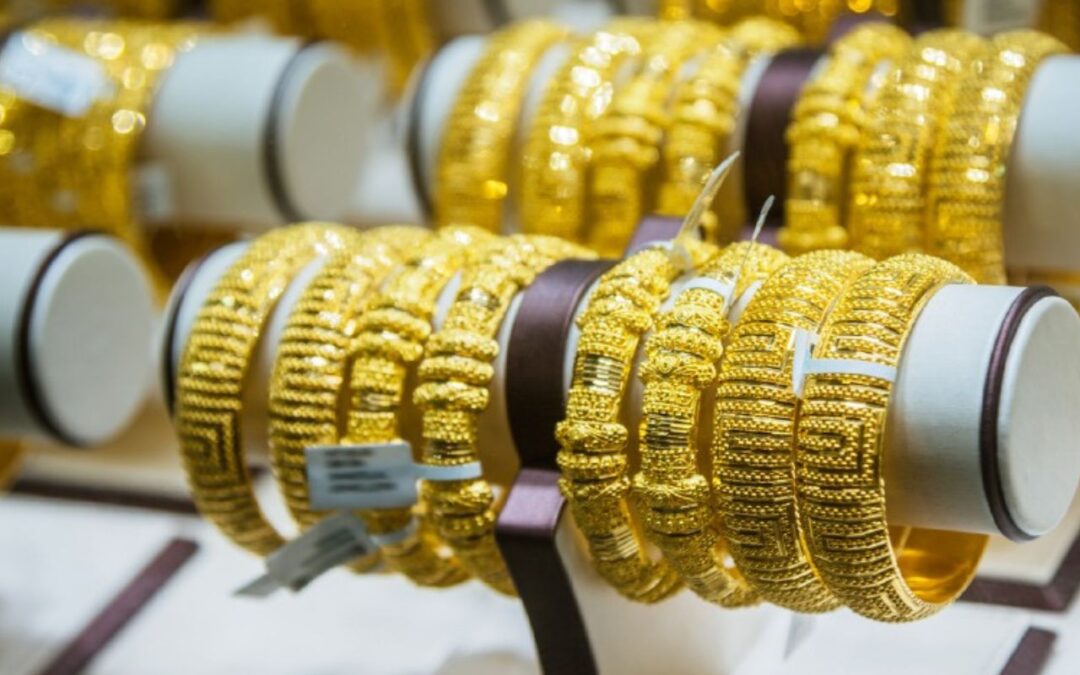
Synopsis: Under the New Baggage Rules, 2026, the general duty-free allowance has been increased from ₹50,000 to ₹75,000 for Indian residents. For the Jewellery sector, female passengers can carry upto 40gms and male passengers can carry upto 20gms duty-free.
On February 1, the Indian government introduced the Baggage Rules, 2026, which replaced the 2016 norms, ten years later, and adjusted the rules to the inflation and increase in traveling. These rules are aimed at air and sea arrivals but not land routes and are intended to make jewellery provisions to long-term expatriates and to simplify baggage clearance. They became effective in the middle of the night on February 2, simplifying operations in such large airports as Delhi and Mumbai.
According to the official gazette notification, the rules can be named Baggage Rules, 2026. They will take effect on the 2nd of February, 2026. It also defines duty-free concessions in a table: Indian resident or a tourist of Indian ancestry that has spent more than one year living abroad,coming in by any other method than by land; Jewellery: Female- up to weight of 40 grams; Passenger other than a female – upto weight of 20 grams. This supersedes previous limits, and declaration of the dutable goods or goods that require duty by electronic declaration, required by means of ICEGATE or Atithi app.
Jewellery Duty-Free Rules
Increasing the number of returning residents or Indian-origin tourists visiting foreign countries who are above one year old will be able to import 40 grams of duty-free female-specific importation but not more than 20 grams for others. Jewellery, wearable gold, silver, platinum, or other precious metal jewellery, studded or plain, is considered bona fide baggage. Excess must be declared on red channel with invoices; otherwise it may be confiscated, fines of up to three times the duty avoided or prosecuted. Crew limits for duty-free remain at Rs 2,500.
Transfer Residents–Indian residents who went abroad as workers, on business, or employment less than one year are admitted under Rule 3 as transferring some articles of used personal and household character below Rs 2,00,000. Personal/family use must have been overseas at least six months ago, to use items of.
Eligible: one set of kitchen utensils, refrigerator, television, washing machine, microwave, other appliances, two pressure cookers, 5 kg
rice/flour/pulses/sugar/tea/coffee, 5 liters cooking oil, 1.5 kg of cheese, 2.5 kg butter, ghee, dry fruits, 5 kg of processed food, 100 meters cloth, 20 meters silk. Personal effects equal standard: clothing, toiletries, one laptop.
Jewellery is subject to general limitations; more than household goods are subject to a duty of 10%. Evidence such as employment letters or invoices is needed.
Also read: Income Tax Slabs FY 2025–26 Explained: How Much Tax Will You Pay Under New Regime?
Duty-Free Items List
Duty free covers personal effects up to 75,000 rupees in case of residents/ Indian tourists and up to 25,000 rupees in case of foreign tourists. Eligible items: clothing, toiletries, one laptop per passenger, mini electronics such as tablets or bluetooth speakers.
Alterations (Annexure-I): firearms, spare ammunition, TV, large appliances (refrigerators, washing machine, water dispensers, oil heaters, electric oven, multifunction printers, vacuum cleaners with robots, massage chairs, projectors, amplifiers, dehumidifiers. Alcohol (as much as 2 liters), tobacco (100 cigarettes/25 cigars/125g) are distinct.
What These Rules Might Impose on Travellers
Long-term expatriates and NRIs also get the flexibility to carry in more gold jewellery or personal gadgets duty-free and this can help to ease the family gifting during visits. Reward members will be taxed less (10 percent) on excess baggage, but then again the rule has exceptions that should be monitored to prevent unpleasant surprises. The queues at airports might be reduced with electronic filings, but confusion at the start might lead to an increase in the red-channel application; luxury shoppers would gain slightly since the high tariffs on commercial imports remain unchanged.
Key Comparisons
| Category | Old Limit (2016) | New Limit (2026) |
| Jewellery (Females >1 yr abroad) | Value Capped | 40g |
| Jewellery (Others >1 yr abroad) | Value Capped | 20g |
| Tourists of Indian Origin | Rs 50,000 | Rs 75,000 |
| Tourists of Foreign Origin | Rs 15,000 | Rs 25,000 |
| Foreigner (non-tourists Visa) | Rs 50,000 | Rs 75,000 |
Practical Compliance: Keep receipts; report through the red channel to elude spot checks. Gold above measures should be refined licenses.
Future Outlook
In future perspectives, these regulations are set to place India in terms of its 350 million annual passengers by 2028, and digital customs applications are broadening, to provide hassle-free pre-arrivals. Additional adjustments can be made depending on the aviation peaks or trade agreements and bring a more convenient homecoming to NRIs, but strengthen the anti-smuggling actions.
Written By Jayanth R Pai