
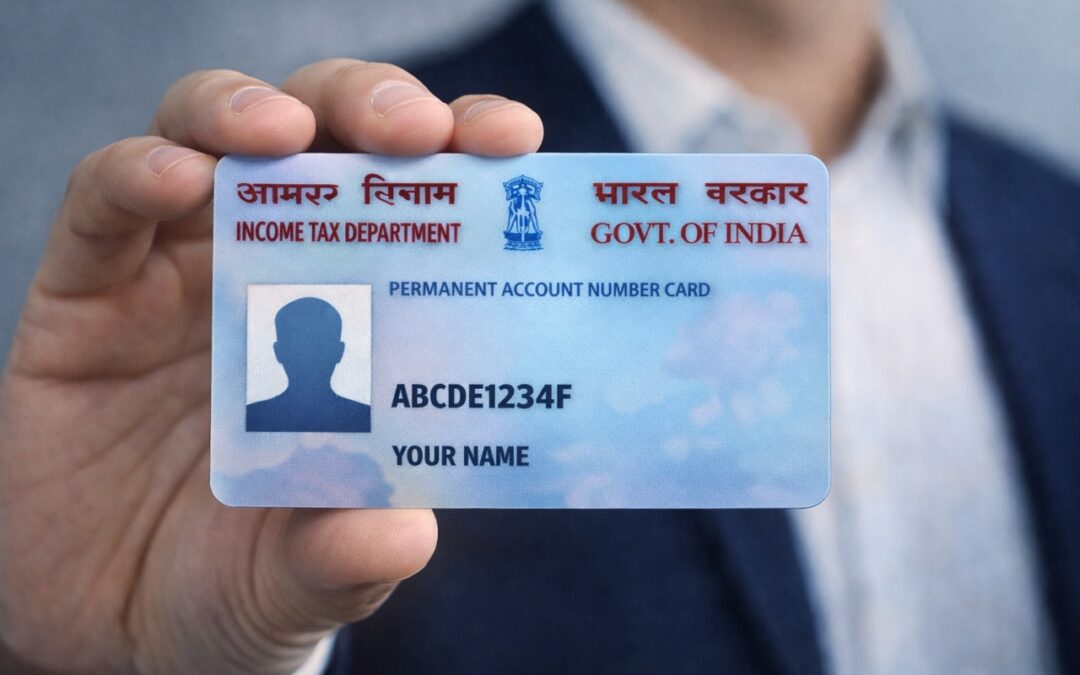
Synopsis: This article covers the recent revisions in the PAN card rule which will come into effect from April 1, 2026. It discusses who will be impacted by these changes and how.
Major changes have been announced on PAN card requirements, and they are set to come into effect from 1 April 2026. The revised rules aim to simplify compliance by increasing thresholds for smaller transactions while introducing stricter monitoring in certain areas. These changes will affect cash deposits, property transactions, vehicle purchases, hospitality expenses, and insurance policies.
What are the changes effective from April 1, 2026?
1. Cash Deposits and Withdrawals: Previously PAN card was mandatory for cash deposits of more than ₹50,000 in a day. Now, a PAN card will only be necessary if the total cash deposits in a financial year are above ₹10 lakh. This change will reduce paperwork for individuals and small businesses, as small transactions won’t need a PAN.
2. Property Transactions: Earlier, a PAN card was mandatory for property transactions that were above ₹10 lakh. This limit has been increased to ₹20 lakh now, and it will now give flexibility for low-value property transactions, especially those of non-metro cities or rural areas.
3. Purchase of Cars and Bikes: Before, PAN was mandatory for the purchase of vehicles of all values. But from now on, a PAN card will be required only for the purchase of vehicles whose value crosses ₹5 lakh. This will make it easy for first-time buyers with less documentation and verifications.
Also Read: Got ₹10 Lakh Lump Sum? Here Are the Smart Investment Options in 2026 – From Low to High Risk
4. Hotel, Restaurant, and Event Bills: For cash payments above ₹50,000, a PAN card was necessary earlier. From now on, this threshold has been increased to ₹1 lakh. This will give better flexibility for transactions during special events like weddings, travel, etc.
5. Insurance Policies: Previously, PAN was necessary only if the insurance premium exceeded ₹50,000 in a year. Now, PAN will be mandatory when the insurance relationship starts, regardless of the premium amount.
Who Will Be Impacted by These Changes?
The reformed PAN policy will benefit many individuals and small companies who transact cash on a daily basis, such as individuals buying or selling property in non-metro and rural regions, first-time car and bike purchasers who select cheaper models, and individuals purchasing insurance with minor premiums. If you monitor such changes well in advance, you will be able to remain in compliance and avoid complications with paperwork at the end of the day.
Conclusion
The new PAN card regulations act as a balancing factor by relaxing the requirements on smaller, daily items and strictening on the high-end ones such as insurance. By increasing the cash, property, car purchases, and even hotel accommodations limits, individuals and companies can reduce the paperwork.
However, simultaneously, the more stringent insurance regulation is evidence of the fact that the government is all about enhancing financial transparency. All you need to do is remain updated and refresh your PAN details, and you will be used to the changes and be compliant.
Written by Nila Maria Jacobz