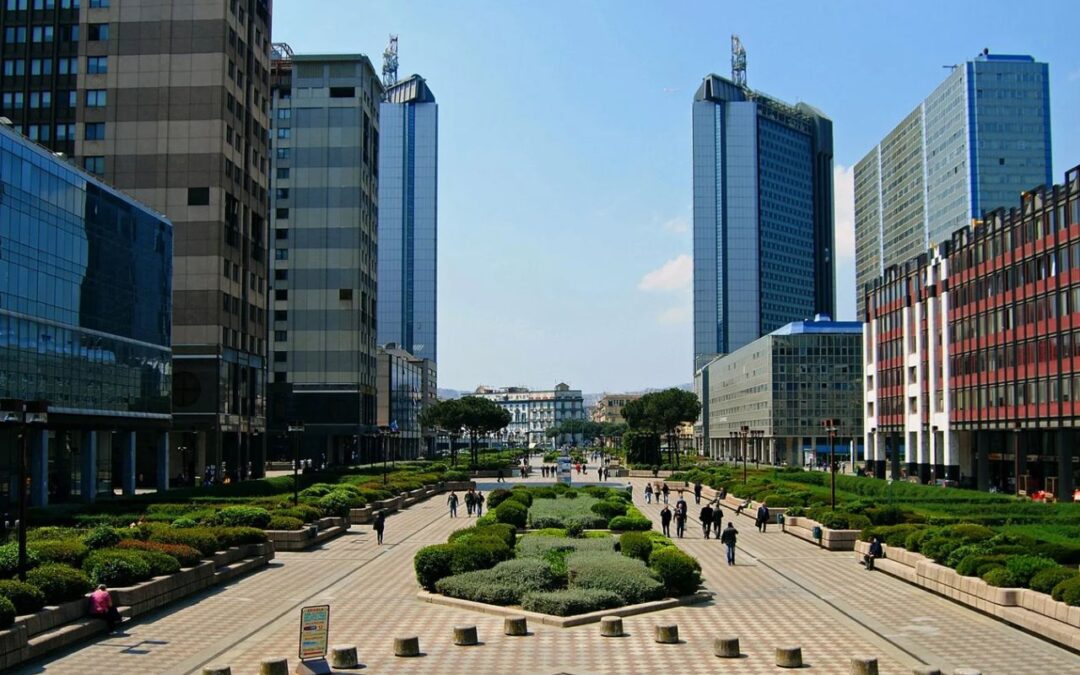
Synopsis: This article covers top 10 Tier-2 cities in India emerging as high-growth IT and tech hubs in 2026, driven by startups, global investments, and digital infrastructure.
The Tier-2 IT parks of India are fast becoming the new frontier of Global Capability Centers (GCCs), with scalable ecosystems, high cost, attrition, and bottlenecks of infrastructure in the metro cities met and savings of 30-40 percent of salaries coupled with incentives provided by the states. These hubs will have 140+ new facilities in FY25 in Coimbatore to Chandigarh and will provide 70K jobs via plug-and-play AI-friendly, fintech-friendly, and engineering SEZs. Policies of 20-50% capex subsidy and power rebates by the government have enhanced this change to put Tier-2 cities in a position to seize 30% or more of the GCC market of India by 2028.
Incentives Motivating the Change
States fight with individualized packages that will reduce setup expenses 20-30% and approvals time 18 months to 90 days. The GCC Policy 2025 of Madhya Pradesh injects ₹5,700 Cr of including ₹700 Cr subsidies, 100% stamp duty waivers, and 50 percent of power rebates on 37K jobs in Indore. The 2024 policy in Uttar Pradesh allots 30% capex (up to ₹50 Cr), 50 percent circle rate land, and 100 percent SGST refunds over 20 years with 50+ GCCs in Lucknow; Gujarat, Karnataka, Tamil Nadu, and others also provide their own rebates and skilling funds.
Coimbatore: TIDEL Park and Wynfra CyberCity
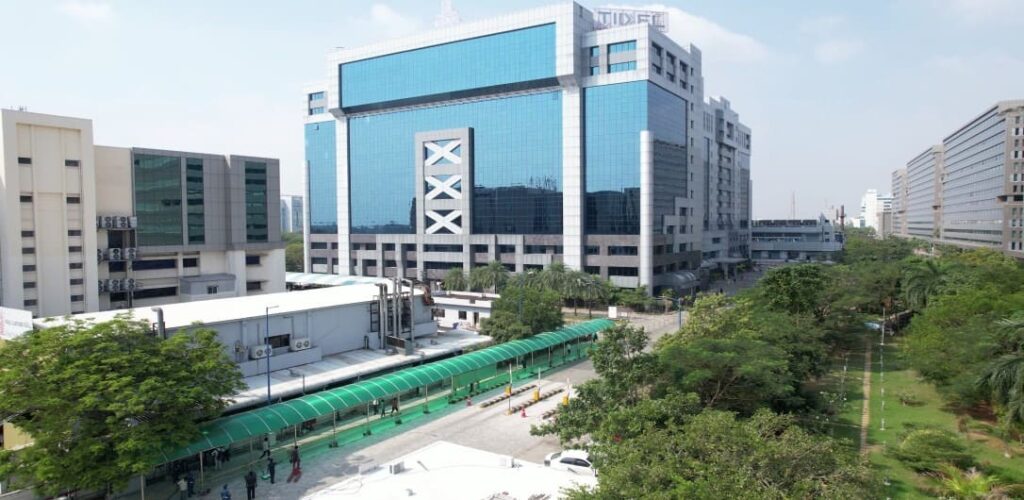
The 2M+ sq ft SEZ of TIDEL Park provides Bosch and Cognizant plug-and-play power, water, and fiber to AI/IoT GCCs, building on the automotive/aerospace heritage of Coimbatore. The GCC Playbook in Tamil Nadu offers 1525% capex subsidies and ₹4/unit power tariffs reduction -20% of setups- and 5-year waivers on property taxes- the next GCC wave as discussed by Zinnov-CII in Sep 2025 report has 21% YoY AI hiring.
Wynfra CyberCity is combining 3 lakh+ engineering graduates with manufacturing SMEs, end-to-end digital twins and Industry 4.0 where Amazon/State Street greenfields (part of 60+ GCCs) are pursuing 75K jobs with incentives that keep 1/3 metro costs. Stable Chennai/Bengaluru overflow teams were guaranteed by low 10-12% attrition rates.
Kochi: Infopark Kochi
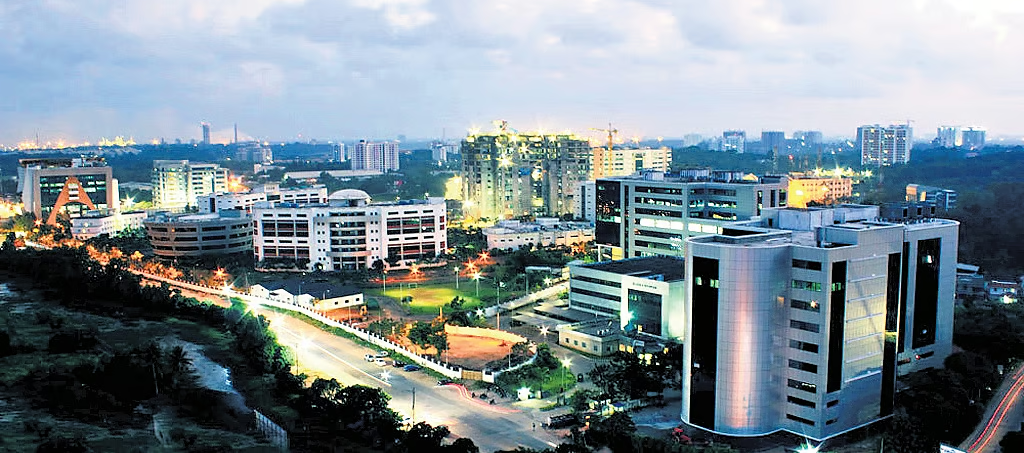
Infopark Core Campus (100 lakh + sq ft, 90% occupancy) hosts EY, TCS, Allianz and Nissan Digital analytics/ cyber hubs, which have connectivity to the metro, ports and airports. The GCC Playbook of Kerala provides 30% subsidies in infrastructure and ₹50 lakh skilling funds per unit that trains 5K+ experts annually in 30 percent of revenue growth in healthcare/digital operations.
Technopark Phase IV will host Air India Q3 2025 (aviation tech) digital hub, but Surge 2025 has made cloud/fintech deals that are driving 21% YoY hiring, with SEZ extensions reducing 25% of logistics compared to Chennai stabilizing teams at 12-15% turnover with quality-of-life.
Also read: Emerging Tier-3 Cities Leading India’s Next Industrial Expansion in 2026
Jaipur: Mahindra world city and Sitapara
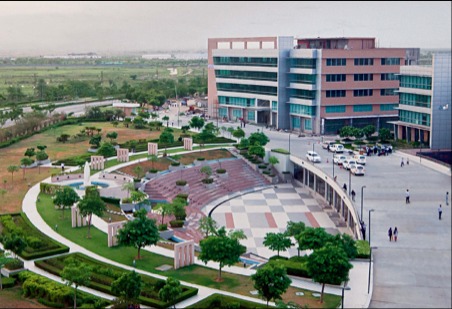
The 3,000 acre (50 lakh+ sq ft leasable) layout of Mahindra World City will power Infosys, Wipro and Genpact BFSI/e-commerce BPM. The IT Policy 2024 of Rajasthan offers 50% land subsidies and 75% refund of SGST (7 years) capex subsidies on Genpact to expand to 5,000 seats in its risk/analytics business by 2026 by 30% (2024). The 5K+ fintech startups nurtured by Sitapara Industrial are doubling e-commerce leasing by SEZs and ₹10 Cr skill centres; 25-30 per cent rents avoid Delhi-NCR competition by mid-market GCCs.
Indore: Crystal IT park and super corridor
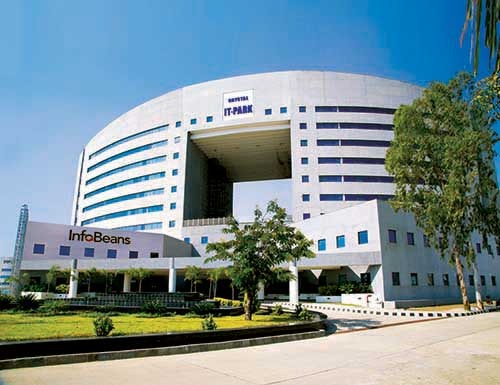
Crystal IT Park Persistent/Evalueserve BPM/software delivery is driven by Crystal IT Park (Infosys anchor, 1M+ sq ft). GCC Policy 2025 of MP provides ₹700 Cr subsidies + 100 percent stamp duty waivers and this opens up ₹5,700 Cr as Indore becomes part of the innovation cluster. Super Corridor attracts ₹5K Cr FDI (AI/healthcare) with cleanest-city livability and millions of grads to 21% YoY hiring; 60 cheaper rentals allow greenfield scalability without talent crunch.[23][24].
Ahmedabad: GIFT City Infocity
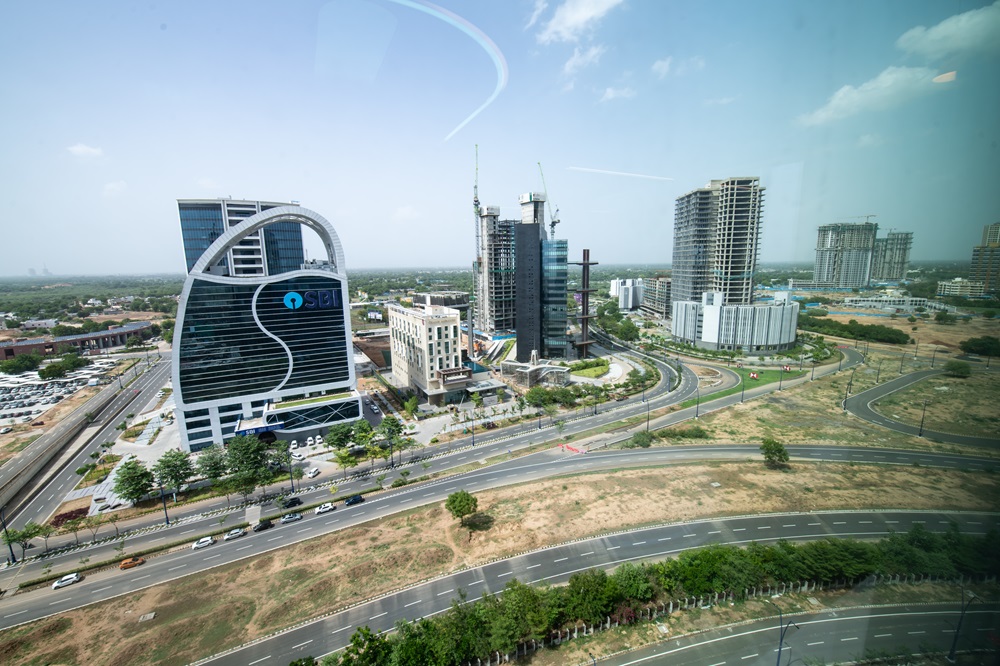
The Google, JPMorgan, Oracle, Kraft Heinz, and Goldman Sachs 18 percent Q3 absorption surges are served by GIFT City SEZ fintech plug and play. The 2025 policy of Gujarat offers 20 percent capex (₹100 Cr cap) and 10 year electricity waivers, which makes it the biggest Tier-2 GCC hub in India. Infocity Gandhinagar has been shooting Infineon/TCS engineering through single-window NOCs (90-day approvals); IFSC + Mumbai proximity control 9% YoY rent growth on trading tech.
Lucknow: TCS Campus and Gomti Nagar
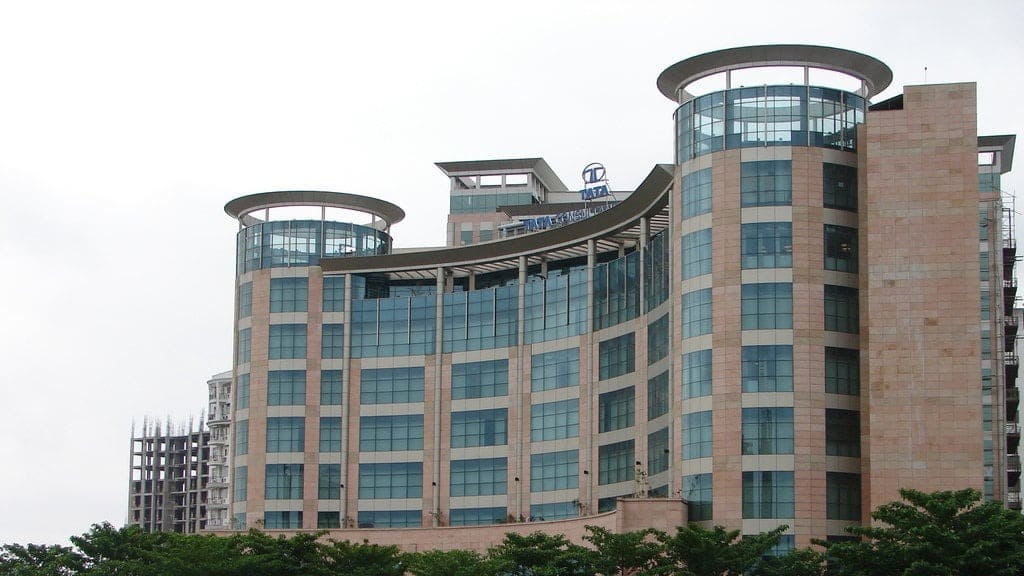
IBM/Deloitte shared services/digital ops is driven by TCS Sushant Golf City (20K seats by 2027). The policy of UP 2024 provides 30 percent capex + 50 percent circle rate land with 100 percent Sgst incentives (20 years). Gomti Nagar Extension targets 50+ GCCs, fires up 25% Q1 2025 RE launches to span North/East NCR-discounted costs less congestion.
Also read: India’s 12 Greenfield Industrial Smart Cities Worth ₹28,602 Cr: Reshaping Manufacturing Hubs
Chandigarh: Rajiv Gandhi Chandigarh Technology Park (RGCTP)
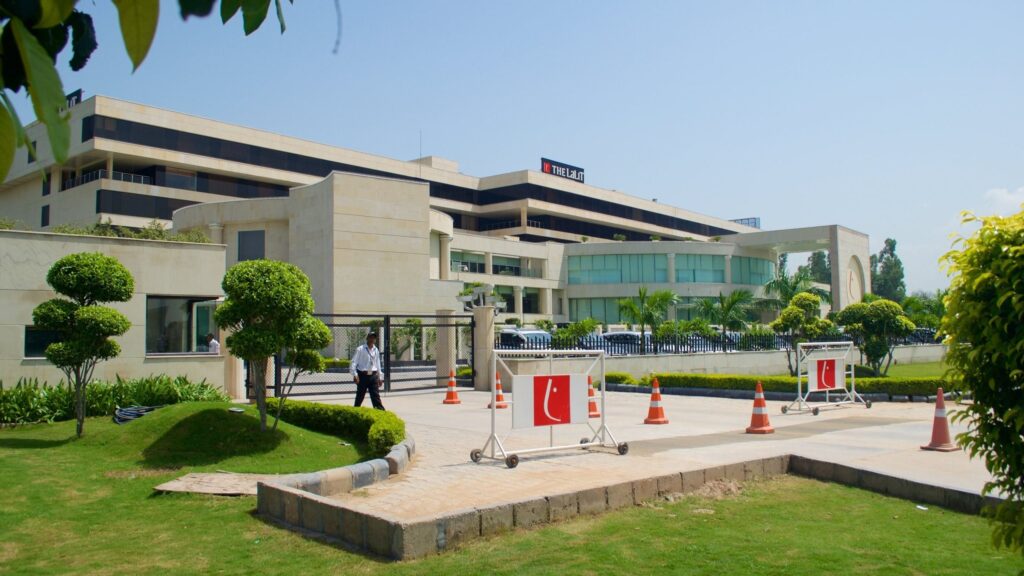
Rajiv Gandhi Chandigarh Technology Park takes up 250 acres of land adjacent to Sukha Lake in Chandigarh’s east. Panchkula/Mohali IT Park records CBRE May 2025 R&D influx, with 20% GCC share by 2027 through planned infra/quality-of-life in NCR.
| IT Park | City | Anchor GCCs | Incentive |
| TIDEL | Coimbatore | Bosch | 15-25% capex |
| Infopark | Kochi | EY | 30% infra |
| Mahindra | Jaipur | Genpact | 50% land |
| Crystal | Indore | Infosys | ₹5,700 Cr |
| GIFT | Ahmedabad | 20% capex | |
| TCS | Lucknow | TCS | 30% subsidy |
| Rajiv Gandhi | Chandigarh | R&D | 20% capex |
Future Outlook
It is estimated that by 2028 Tier-2 parks might have 30-40 percent of India’s 2,000+ GCCs and the 10 K Cr Tier-2 fund + PLI schemes of Budget 2026 might increase incentives by states. These hubs will be cemented with enhanced 5G/data centers and 50L annual Tier-2 grads that will decongest metros and drive 15-20% of GDP growth through tech services. Indore/Ahmedabad should be the main focus of the 2x absorption by 2027 of investors looking at 12-15% at this time.
Written by Jayanth R Pai