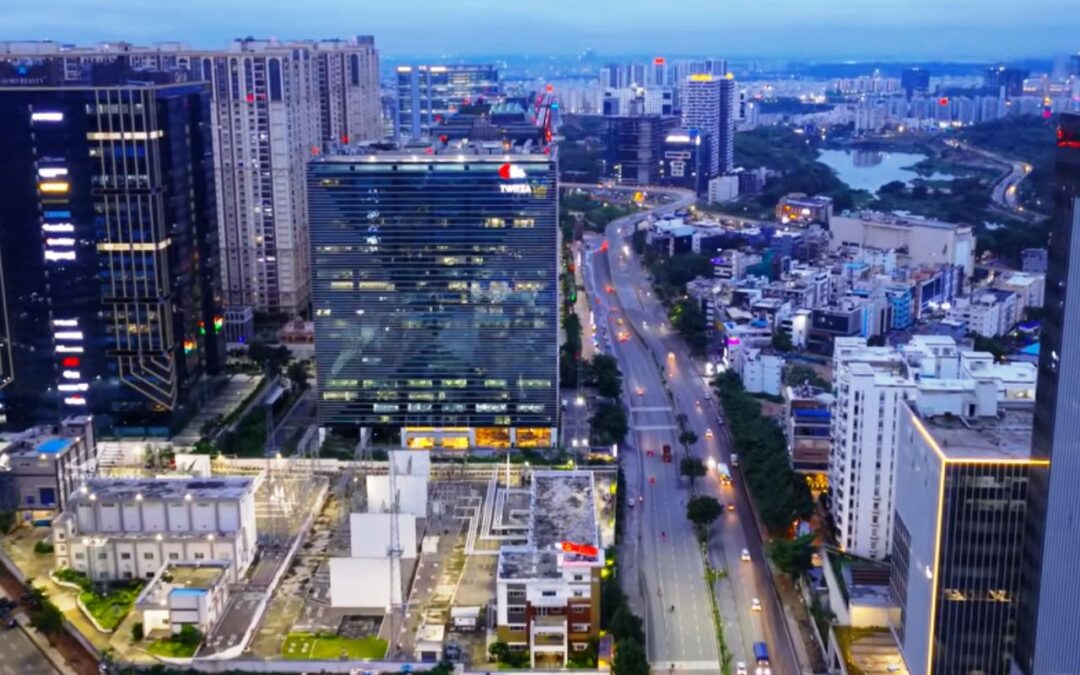
Synopsis: Northern India is developing rapidly with new technological giants such as Gurugram and Noida on the frontline. This article covers the 5 fastest-growing IT hubs in 2026 that are drawing huge investments, generating jobs and transforming the future of the digital economy in India.
The IT landscape of India is no longer confined to the metro cities such as Bengaluru and Hyderabad. In 2026, a number of cities in Northern India are becoming strong technology centers, with the help of the lower cost, the better infrastructure, and the increase of the number of talents. These emerging centers are drawing large firms, start-ups, and investments and are transforming the future of the Indian digital economy. Below are 5 emerging cities.
Gurugram
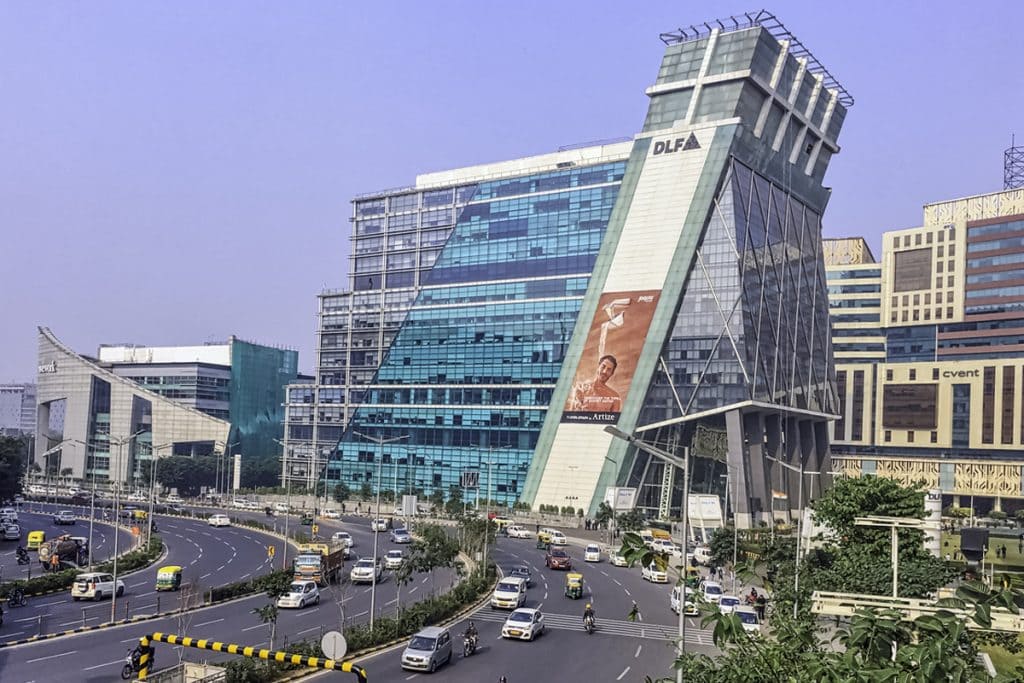
Gurugram is supported by the presence of strong corporate existence and urbanization. With a population of 250+ fortune 500 companies, the city is also a major centre of IT, consulting and Global Capability Centres (GCCs) due to its location which is close to New Delhi.
The city registered ₹24,120 crore in ultra-luxury housing in 2025 alone, and 1,494 homes which sell at prices exceeding ₹10 crore were sold in the city in 2025, the highest in a single year. This nearly doubles 2023 demand of ₹4,004 crore, pointing to a boom in demand among high-income workers and international executives.
The emergence of high-end micro-markets such as Dwarka Expressway and Golf Course Extension Road further reflect on the growing business areas and infrastructure. This close association of corporate development and real estate demand makes Gurugram not only an IT hub, but a fully-fledged economic ecosystem that is propelling the growth of digital and business activity in Northern India.
Noida

Noida has become one of the most rapidly developing IT centres in Northern India, supported by good infrastructure and the increase in investments. In the period 2019- 2024, the city received more than 2.11 lakh crore investments which is an indication that the city is moving towards more cost-effective and scalable businesses.
Major multinational firms are located in key IT corridors such as Sector 62 and the Noida-Greater Noida expressway, with the city supporting 11,000+ industrial units in the domain of IT, electronics and services. It has an expanding ecosystem with international companies like Microsoft, Samsung, and HCL.
The next significant growth factor is the future Noida international airport (Jewar) that is likely to enhance the connectivity and raise regional demand, as well as a 500-acre FinTech hub. Having lower operational expenses than Gurugram and with ongoing infrastructure development, Noida is quickly becoming one of the top tech and innovation centers in 2026.
Mohali
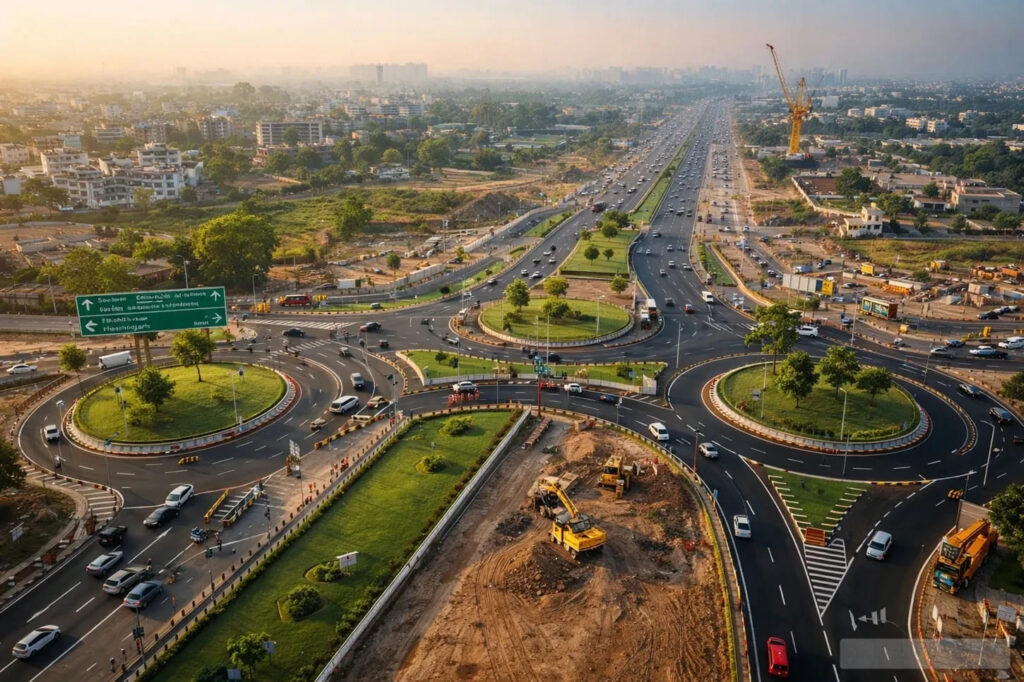
Mohali is fast becoming a Tier-1 IT centre in Northern India with a high level of government support and increasing investments. The state revealed its vision of making Mohali a top hub of IT, AI, and digital innovation at the Progressive Punjab Investors’ Summit 2026.
The area has received 27,000+ crore of investment proposals in various sectors and technology and infrastructure have been a major area of concern. Firms such as Infosys are increasing their capacity, with a 3000-seat addition (₹290 crore) enhancing their employment and IT capacity. The other major factor is policy incentives, which include a 75% SGST reimbursement of 10-15 years, employment subsidies, and expedited clearances, and hence Mohali is among the cheapest IT destinations in India.
Also read: 6 Holy Cities Turning into Real Estate Goldmines in 2026 – Check Where Buyers Are Investing
Jaipur
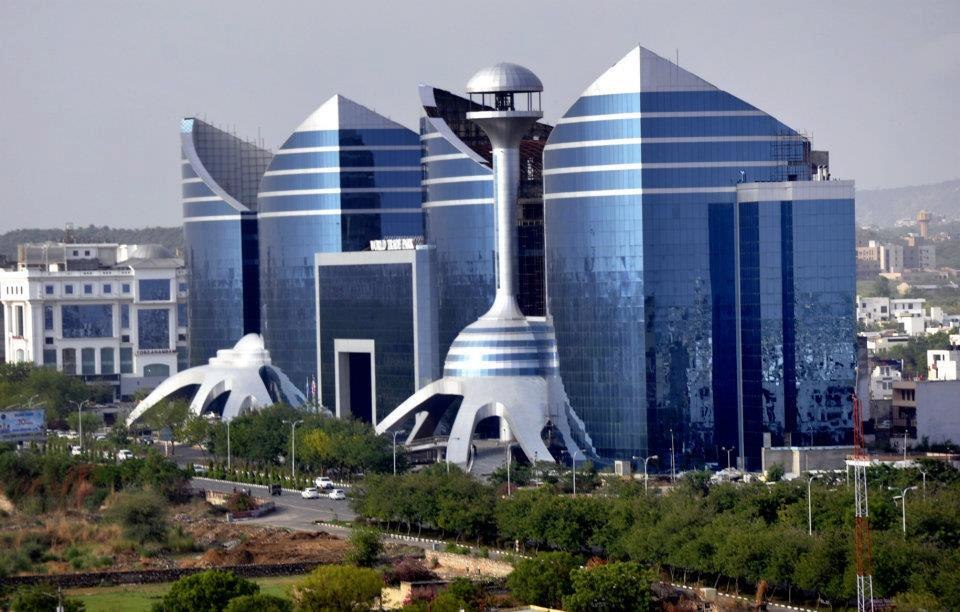
Northern India Jaipur is fast becoming a major Tier-2 IT and GCC center in Northern India due to high rates of hiring and cost economies. The city sustains a talent pool of 45,000+ IT and BPM professionals and is among the best cities to hire as a Tier-2 city in terms of hiring junior and senior IT professionals.
The city is becoming a hub in the growing Global Capability Center (GCC) ecosystem in India, and Tier-2 cities such as Jaipur are experiencing growth of GCC employment of around 20% per year compared to many traditional hubs. Situated companies like Dotsquares, WNS Global Services, and Teleperformance are enhancing its role in software development, analytics, and digital services.
Cost efficiency is also a key advantage–the cost of operations in cities such as Jaipur can be 35-40% cheaper than Tier-1 hubs and it is very appealing to the international companies. Supported by the next-generation government policies on AI, semiconductors, and IT services, Jaipur is gradually emerging as a scalable and future-oriented tech destination in 2026.
Lucknow
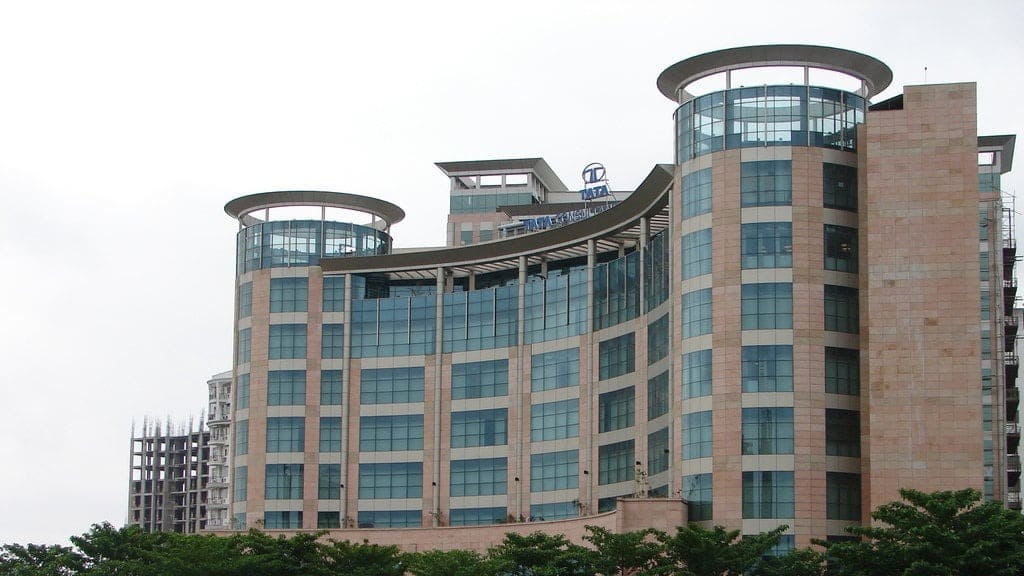
Lucknow is becoming an IT hub of the next generation in Northern India, and it is highly focused on AI, mobile development, and digital services. In FY2025-26, the city experienced a remarkable 42% annual increase in revenue of the IT sector, becoming one of the fastest-growing tech ecosystems in the region.
The ecosystem is growing at a very fast rate, including 300+ IT companies and 150+ funded start-ups, many of which are focused on AI, SaaS, or app development. Lucknow has already established several companies within its key infrastructure such as Lucknow IT City (IT Park) and future projects are set to create 25,000+ direct employment opportunities.
The key driver of growth is the government initiative to make Lucknow the first AI City in India, accompanied by specific IT policies, data labs, and state-wide AI infrastructure development. Moreover, it has low salary and operation expenses, up to 40-50% below metro cities, which contributes to its high appeal to businesses in need of quality scale talent.
Conclusion
The emergence of IT hubs is bound to alter the Indian job market to a great extent. Such cities will become the source of thousands of new opportunities in the IT, AI, fintech, and start-up ecosystems and will also result in indirect employment in real estate, retail, and services. Cities will also attract talent since they have lower living costs and infrastructure is growing up, alleviating congestion in metro cities. Over the long term, this IT growth decentralization will have the effect of creating a more evenly distributed regional growth, a better quality of life, and a more robust and resilient digital economy in India.
Written by Boyapati Sai Jasmitha