Synopsis: Tier 2 and 3 cities due to lower costs, talent pools, government schemes, are becoming startup and investment hubs. From AI-driven SaaS and industrial automation to deep tech and GCC-led innovation, startups from these cities are no longer minor players.
A significant portion of the Indian 115,000-plus startup base is currently being driven by Tier 2 cities, at the expense of more affordable metros, qualified graduates, and strong government support. These centers are tech, edtech, fintech and AI leaders through IT parks and state schemes.
Jaipur
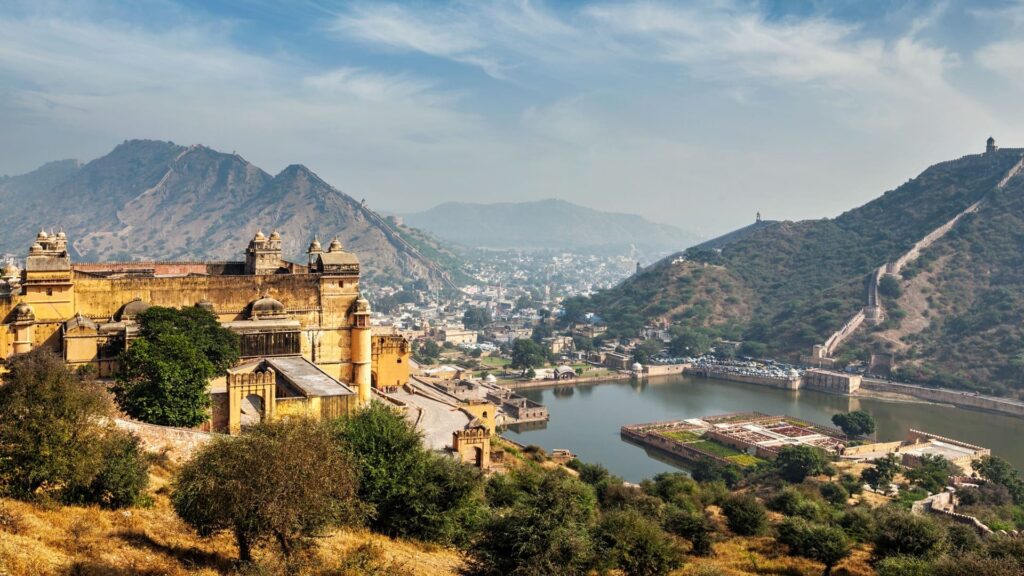
Jaipur leads in 5,000 new incorporations in 2025 and approximately 500 startups. Mahindra World City provides the backbone of the IT market, and the iStart program in Rajasthan is providing matching funds up to ₹25 lakhs as BHAMASHAH Techno Fund, rent reimbursements and green incentives. Rajasthan Government also issued the Rajasthan Global Capability Centre Policy 2025 to foster innovation, enhance infrastructure, and create a skilled workforce. Active companies in Jaipur are MEDHINI by Arficus, GirnarSOFT, HabileLabs, Akeo, and Electro IT Solutions.
Lucknow
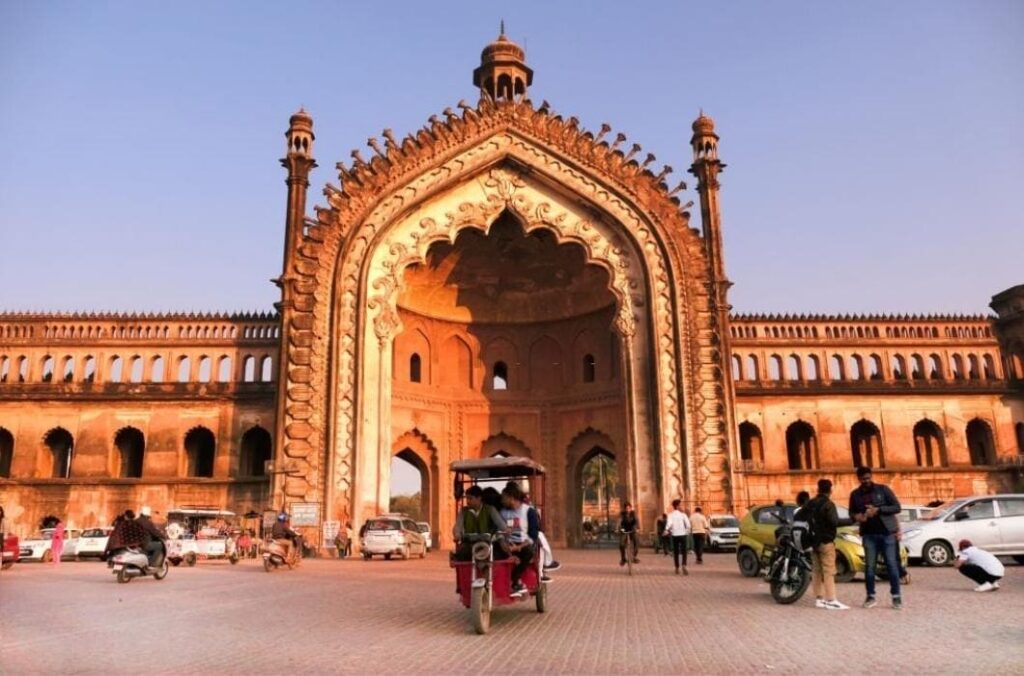
The second place is Lucknow, a fast becoming North Indian startup hub, which has 1,700-1,800 active startups. IT City spurs development within the StartInUP policy of the state of Uttar Pradesh, which offers sustenance allowances of up to ₹15,000/month, seed funding, marketing support, prototype funding, and 100-incubator plans statewide. Active players are Arficus, Webllisto Technologies, Brainsmiths Labs.
Indore
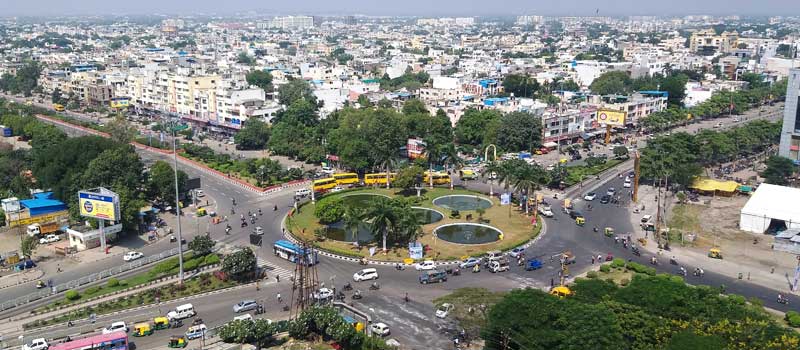
Indore is a city that helps more than 300 high tech startups via Super Corridor parks and 20,000 STEM graduates each year. In 2025 alone, 5 news startups were created. Madhya Pradesh Startup Policy 2019/2022 provides seed funds of ₹10 crore fund, pre-seed prizes, 100% incubator growth, and other MSME incentives in terms of prototypes and scaling.
Coimbatore
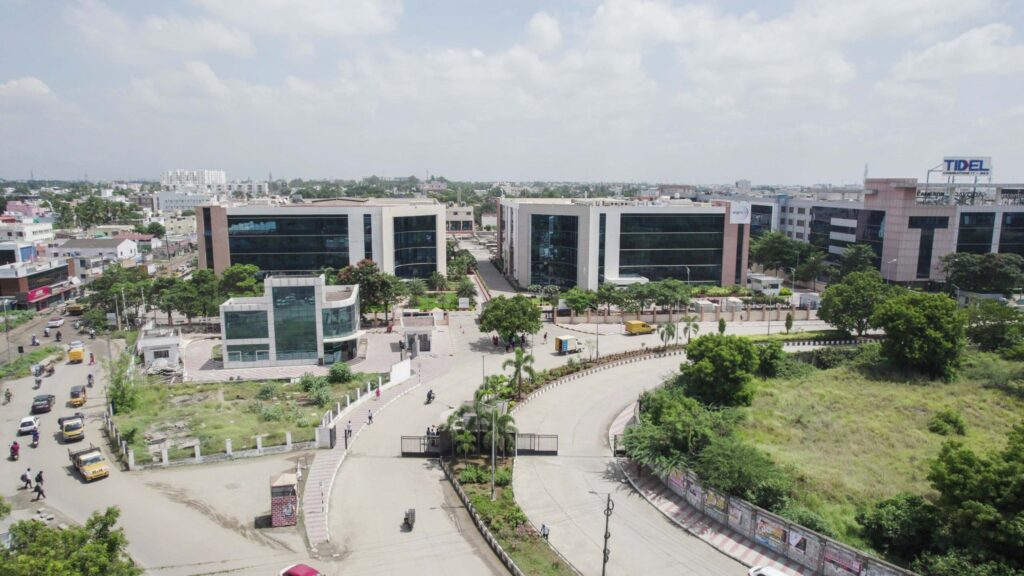
Coimbatore supports 250+ startups in its TIDEL Park with 43000 tech pros. Tamil Nadu supports the Coimbatore Innovation and Business Incubator (CIBI) under DSTs NIDHI-TBI with grants, EIR programs, PRAYAS to prototypes and incubation. According to the Department of Industry and Internal Trade (DPIIT), Coimbatore has seen significant growth, with the number of startups increasing from 271 in 2020 to 1,350 in 2024, occupying about 15% of Tamil Nadu’s ecosystem.
Kochi
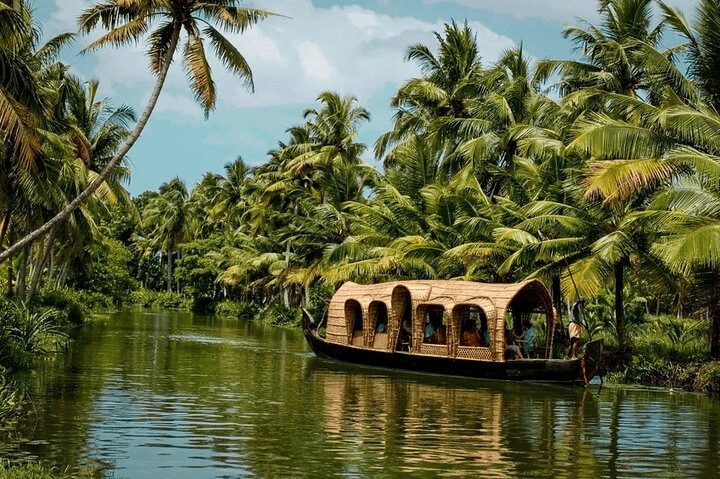
Kochi is growing as GCC and AI hub supported through Kerela Startup Mission. It hosts 200 + start-ups that have a presence of TCS/Infosys. Kerala Startup Mission (KSUM) offers seed funding of up to ₹10 lakhs at an interest rate of 9%, innovation grants, incubation cohort of 18 months, Fund of Funds, and idea validation mentoring.
Also read: 9 Major Office Leases in Bengaluru Powering Job and Talent Growth in 2026
Bhubaneswar
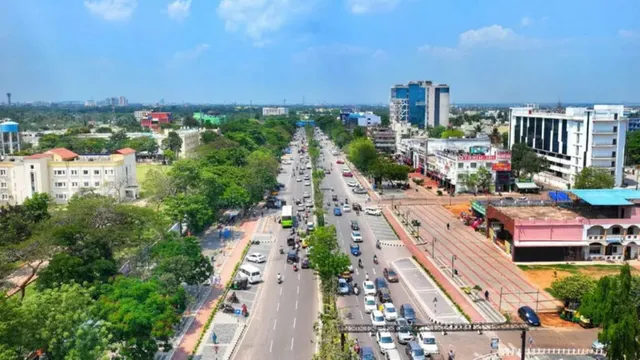
Odisha has in total 2519 startups. Bhubaneswar has 250+ startups in Infovalley SEZ and has 31,000 STEM grads. Financial support, tax incentives, simplified registration, mentorship, hackathons, and subsidies under Odisha Industrial Policy are provided to tech startups in Odisha Startup Policy 2022.
Chandigarh
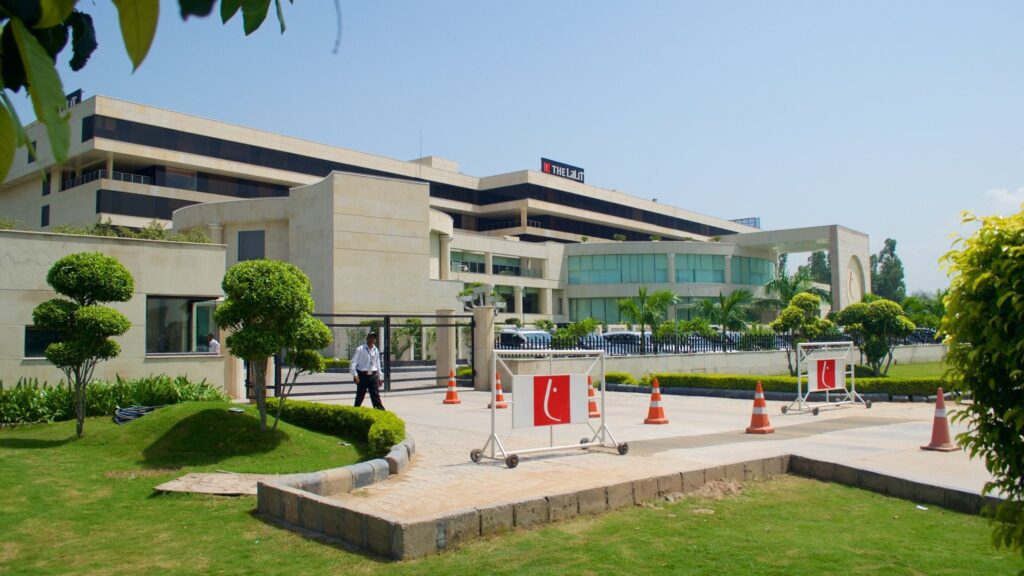
Chandigarh-Mohali-Panchkula tricity has seen exponential startup growth, with the union territory home to over 633 DPIIT-recognised startups as of December 2025. Chandigarh boasts of 500 and more startups around the Rajiv Gandhi IT Park. The Startup Policy of 2025 provides idea grants (₹1-2 lakhs), seed grants of up to ₹7 lakhs (women-led), commercialization grants of up to ₹12 lakhs, rental grants ₹5,000/month, and patent reimbursements.
Conclusion
Tier 2 cities represent the current trend of startup development in India, with more than half of all new incorporations since 2020 boasting of abundance of talent, 20-40 equal cost advantage, and a broad range of governmental support, such as seed funds, tax breaks and incubators. This is even enhanced by improved connectivity and digital solutions that encourage agritech to healthtech development. To keep in line with CREDAI drive to be innovative in real estate, these hubs strike a balance and drive Viksit Bharat to 2047.
Written By Jayanth R Pai