
Synopsis: This article discusses about the new and old tax regime and if the old regime be abolished in the upcoming budget. It also shares views of experts across various domains on this topic.
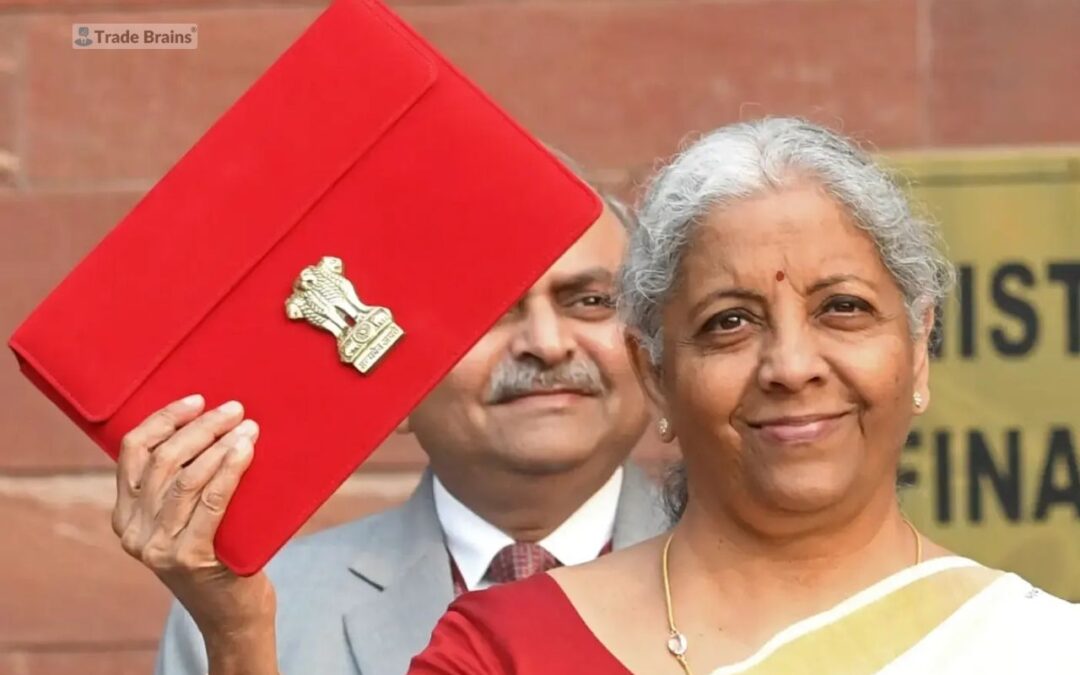
On February 1, 2026, Finance Minister Nirmala Sitharaman will present the Union Budget 2026, and there is growing speculation on whether the old tax regime will stay or not. Estimates say more than 80% of the taxpayers have shifted to the new tax regime as it’s simpler and offers no tax for up to ₹12 lakh of income.
New vs Old tax regime
India currently offers taxpayers a choice between the old tax regime and the new tax regime. The old tax regime allows individuals to claim various exemptions and deductions, such as those under Sections 80C, 80D, and housing loan interest, but applies higher tax slab rates.
In contrast, the new tax regime offers lower and simplified tax rates while eliminating most exemptions and deductions, to make tax compliance easier. Taxpayers can choose the regime that results in lower tax liability based on their income structure and eligible deductions.
Income Tax Slabs under the New Tax Regime
| Income Tax Slabs | Income Tax Rate |
| Up to ₹4,00,000 | Nil |
| ₹4,00,001 to ₹8,00,000 | 5% |
| ₹8,00,001 to ₹12,00,000 | 10% |
| ₹12,00,001 to ₹16,00,000 | 15% |
| ₹16,00,001 to ₹20,00,000 | 20% |
| ₹20,00,001 to ₹24,00,000 | 25% |
| ₹24,00,000 and above | 30% |
Income Tax Slabs under the Old Tax Regime
| Income Tax Slabs | Income Tax Rate |
| Up to ₹2,50,000 | Nil |
| ₹2,50,001 to ₹5,00,000 | 5% |
| ₹5,00,001 to ₹10,00,000 | 20% |
| ₹10,00,000 and above | 30% |
Also read: Income Tax Slabs FY 2025–26 Explained: How Much Tax Will You Pay Under New Regime?
Why the Government Introduced the New Tax Regime
The old tax regime had numerous deductions and exemptions, which made it complex. The new tax regime was introduced by the government to fix this by reducing the deductions and exemptions claimable and lowering the income tax rates. This made the new tax regime simple with minimal paperwork.
Expert Views: Will the Old Tax Regime Be Discontinued?
Preeti Sharma, Partner -Tax and Regulatory Services at BDO India, told TOI that it’s highly unlikely for the government to abolish the old tax regime even though they have shown clear preference to new regime by making it the default.
Parizad Sirwalla, from KPMG shared with TOI how the old regime provides deductions for long term investments such as PPF or life insurance and hence removing the old regime would affect investments made by the common man.
On his talk with TOI, Chander Talreja from Vialto Partners points out that the government has given the flexibility to choose so individuals should choose the one which is best for them. Also, as the market for housing loans and other investments that qualify for deduction under Section 80C is huge, this flexibility to choose the regime would most likely continue for a while.
Tanu Gupta , Partner at Mainstay Tax Advisors LLP mentioned to TOI the merit of abolishing the old tax regime as that would remove a lot of confusion regarding income tax filing. She also noted that the government probably wont remove the old tax regime rather they would make the new tax regime so attractive that eventually the old tax regime would become obsolete.
Radhika Vishwanathan, Executive Director of Deloitte India told TOI that keeping two tax regimes contradicts the act of simplifying tax filing process. Therefore, in 2-3 years the government would eliminate the old tax regime.
Akhil Chandna, Partner at Grant Thornton Bharat as shared with TOI expects a “gradual phase-out” of the old tax regime eventually with time.
Final Verdict: Will the Old Tax Regime Be Scrapped?
Despite the rising talk about the discontinuation of the old tax regime, tax experts largely agree that the government is unlikely to discontinue the old tax regime in the Union Budget 2026, as a sudden abolition could disrupt long-term financial planning of millions of taxpayers.
According to tax experts, the old regime continues to play an important role by encouraging long-term savings through deductions linked to instruments such as PPF, life insurance, housing loans, and other investments under Section 80C. Scrapping it outright could impact individuals who have already committed to these financial products based on existing tax incentives. Given the significant market size of housing loans and tax-saving investments, this choice is expected to remain in place at least for the time being.
That said, there is a broad consensus that maintaining two parallel tax systems is not a sustainable long-term solution. Some experts argue that the government’s strategy is not to eliminate the old regime immediately, but to gradually make the new tax regime more attractive and simpler, leading to the old regime becoming redundant over time.
Written by Nila Maria Jacob