
Synopsis: From infrastructure developments and numerous job creation to raising demand and future supply available, several factors determine the appreciation of a property over time. This article breaks down 8 major factors that are key indicators helping to predict what might be the future value of a property.
When you buy a property, you’re not just buying four walls, you’re buying into a future. The real question is will the value of that property appreciate in future. There are several factors that determine whether or not the value of a property will grow in future.
1. Infrastructure Development
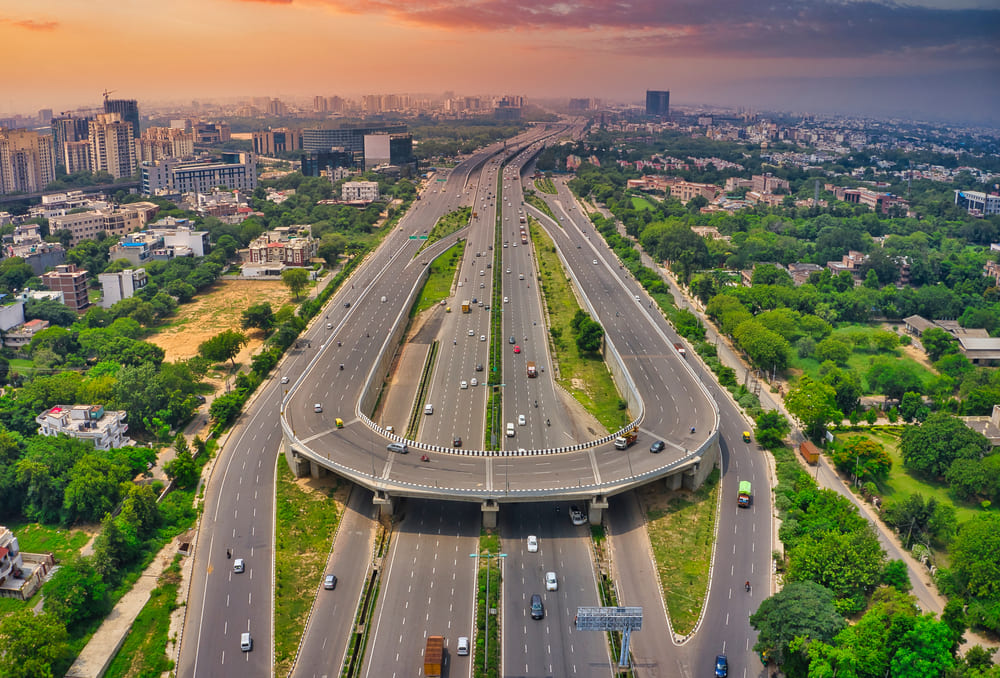
Growth usually begins where connectivity begins. Large scale infrastructure investments improve accessibility, livability, and long-term confidence in a location. Areas that see sustained upgrades in transport and utilities often experience stronger and more stable appreciation over time.
- New highways and ring roads
- Metro lines, bridges, and flyovers
- Airport proximity
- Utility upgrades (power, water, sewage)
- Insight: Areas with major infrastructure upgrades often see 20–50% higher appreciation over 5 to 10 years.
2. Connectivity Improvements
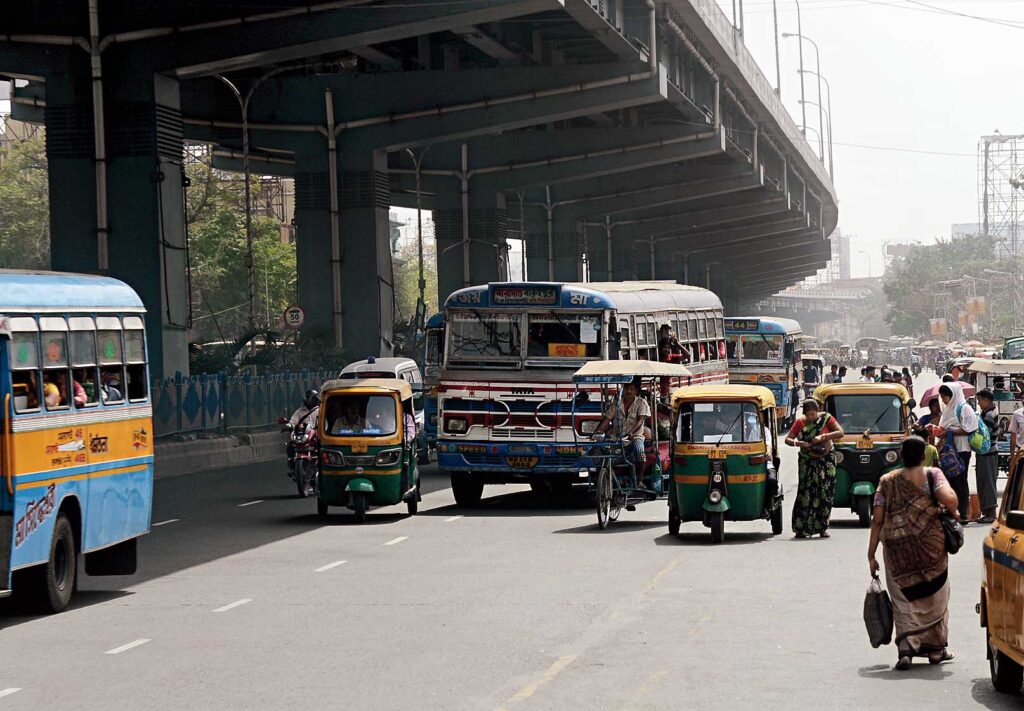
In modern cities, travel time has become a form of currency. Locations that reduce daily commute stress quickly attract residents, businesses, and rental demand. Better connectivity doesn’t just save time, it reshapes how people choose where to live.
- Expressways and fast corridors
- Reduced commute time
- Last-mile transport (autos, local buses)
- Access to work hubs, airports, beaches, and markets
- Tip: Properties often turn into hotspots when commute time drops by 15 to 30 minutes.
3. Economic Drivers

Where money flows, real estate grows. Economic activity fuels housing demand by creating jobs, attracting businesses, and increasing disposable incomes. Areas with strong economic momentum tend to show consistent price appreciation rather than short-term spikes.
- New industries and business hubs
- Tourism inflow
- Job creation and startup activity
- Corporate expansions
- Insight: Real estate grows where income opportunities grow.
Also read: Registry Is Not Ownership Anymore: New 2025 Property Ownership Rules You Must Know
4. Population & Demand Pressure

Property value is ultimately driven by people. As cities expand and populations shift, areas that attract migrants, students, professionals, and tourists experience rising housing demand. Higher demand naturally pushes prices upward.
- Urban migration
- Rising working-class population
- NRI and tourist demand
- Student and workforce movement
- Insight: Areas with rising population density tend to show faster price acceleration.
5. Policies, Zoning & Approvals

Government decisions can change property values faster than market forces. Zoning changes, higher development permissions, and targeted public spending often unlock land potential and attract private investment almost overnight.
- Zoning updates (land-use changes, SEZs, tourism zones)
- FAR/FSI revisions allowing higher development
- Tourism or industrial promotion through incentives and subsidies
- Infrastructure budget allocation and public spending
- Insight: Buy where the government is investing attention, money, and approvals.
6. Commercial Activity

Commercial growth directly fuels residential demand. When offices, retail, hotels, and branded outlets enter an area, employment rises, daily convenience improves, and housing demand follows closely behind.
- New retail high streets
- Offices and coworking hubs
- Hospitality clusters (hotels, restaurants)
- Entry of national and international brands
- Insight: Residential prices rise fastest near commercial growth pockets.
Also read: India’s Fast-Growing SEZs with Strong Global Investment Potential in 2026
7. Lifestyle & Social Infrastructure

People don’t just buy homes, they buy comfort, convenience, and culture. Areas that offer a complete lifestyle experience tend to command higher prices because they meet everyday needs beyond just shelter.
- Schools and hospitals
- Cafes, gyms, and supermarkets
- Safety and cleanliness
- Entertainment and recreation options
- Insight: People don’t buy homes, they buy lifestyle.
8. Future Masterplans
Long-term vision plays a crucial role in determining future property value. Locations included in city masterplans often benefit from phased development, infrastructure rollout, and sustained appreciation over many years.
- Smart city proposals
- Upcoming expressways
- Transport masterplans
- Tourism and coastal development plans
- Insight: Early buyers in masterplan zones often enjoy the highest appreciation curve.
Conclusion
Every high-growth property has a story behind it aboutf roads being built, jobs being created, people moving in, and plans taking shape. If you learn to read these signals early, you stop chasing the market and start moving ahead of it. In real estate, foresight is often more powerful than timing.
Written By Aditee Das