
Synopsis: With the Strait of Hormuz closed again and U.S.-Iran peace talks at a standstill following Washington’s seizure of an Iranian cargo ship, global markets have shifted sharply into risk-off mode. The dollar hit a one-week high, oil prices jumped, and cryptocurrencies retreated as investors re-priced geopolitical uncertainty across asset classes.
A strategic waterway closure and a stalled diplomatic process have combined to produce the kind of market session that moves multiple asset classes in the same hour. The Strait of Hormuz is closed again, and Iran’s refusal to participate in a second round of peace negotiations following the U.S. military’s seizure of an Iranian cargo ship has removed near-term de-escalation as a scenario markets can price on.

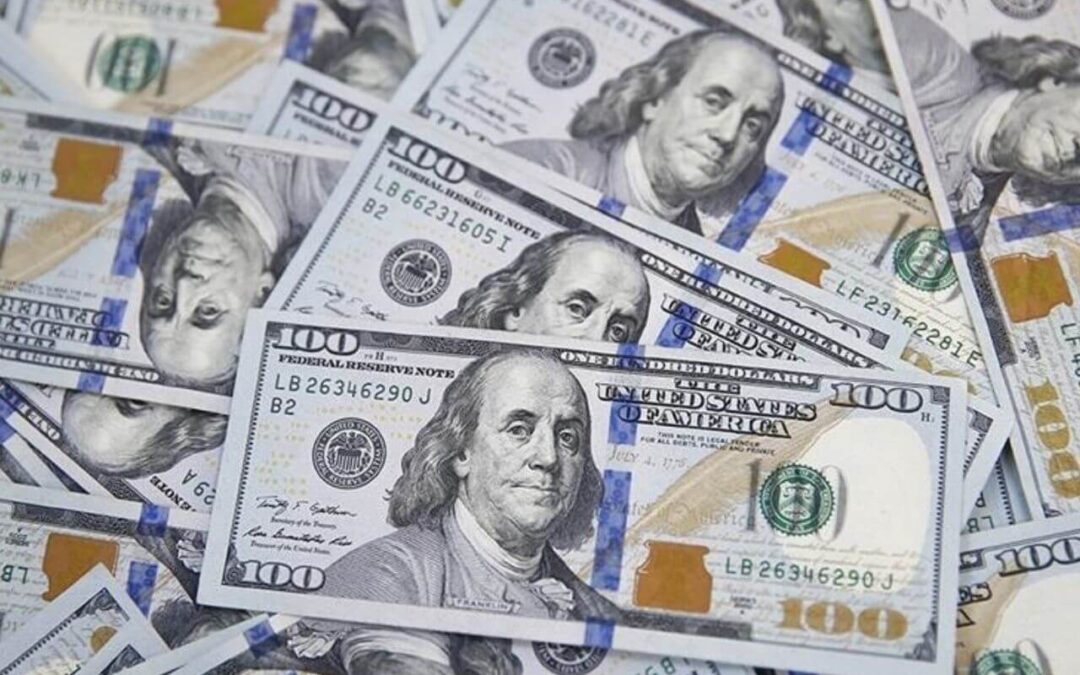
The U.S. dollar index rose 0.3 percent to 98.485, touching a one-week high as capital moved toward safe-haven assets. The euro fell 0.3 percent to $1.1731 and the British pound dropped a matching 0.3 percent to $1.3480, a uniform retreat across major currencies that suggests macro repositioning rather than idiosyncratic weakness in either economy.
The dollar also gained 0.2 percent against the Japanese yen, with the pair moving to 158.945. That the yen, historically a safe-haven currency in its own right weakened against the dollar is notable; it reflects how dominant the dollar-first flight-to-safety trade remains in an acute geopolitical shock.

Oil prices rose following news of the closure, with the direction consistent across benchmarks. The Hormuz channel handles roughly a fifth of the world’s seaborne crude and serves as the exit route for output from Saudi Arabia, the UAE, Kuwait, and Iraq. Even a short-duration closure raises freight costs, tightens near-term supply, and compresses the market’s spare capacity assumptions simultaneously. The price response is not speculative excess. It is a rational read of a real supply disruption risk.
Cryptocurrency markets moved in the opposite direction. Bitcoin fell 0.7 percent to $74,130.13 and Ether declined by the same margin to $2,266.10. The crypto retreat during a geopolitical risk event is consistent with the pattern seen across 2024 and 2025: when genuine macro uncertainty enters the market, risk assets including digital currencies tend to lose ground to the dollar and physical commodities rather than acting as alternative stores of value.

The underlying trigger is a two-part escalation. U.S. President Donald Trump confirmed that the military seized an Iranian cargo ship attempting to breach a blockade. Iran’s response was to withdraw from a second round of peace talks, despite continued U.S. warnings of renewed airstrikes.
The sequence matters because it eliminates the short-term diplomatic off-ramp that markets had partially priced in following the first round of talks. What remains on the table is the harder question of whether military posturing escalates further or whether back-channel negotiations resume before a formal breakdown.
For market participants, the relevant variable is not the geopolitical outcome itself but how long the Hormuz disruption persists. A closure measured in days produces an oil spike and a dollar bid that reverses on reopening. A closure measured in weeks would begin to affect refinery input schedules, LNG shipment routes, and global manufacturing supply chains in ways that the current market pricing does not yet reflect.

Indian markets carry a direct exposure to both legs of this story. India imports over 85 percent of its crude oil requirement, and roughly 60 percent of those imports transit through or originate from the Gulf region.
A sustained oil price spike would widen the current account deficit, put upward pressure on domestic fuel prices, and complicate the Reserve Bank of India’s rate cut timeline, the last of which is particularly relevant given that equity markets have been partially re-rating on the back of an expected easing cycle. The rupee’s trajectory against the dollar in the coming sessions will be one of the cleaner indicators of how Indian institutional money is positioning around this event.
Disclaimer: The views and investment tips expressed by investment experts/broking houses/rating agencies on tradebrains.in are their own, and not that of the website or its management. Investing in equities poses a risk of financial losses. Investors must therefore exercise due caution while investing or trading in stocks. Trade Brains Technologies Private Limited or the author are not liable for any losses caused as a result of the decision based on this article. Please consult your investment advisor before investing.