Synopsis: India’s battery recycling industry is entering a major growth phase as automotive battery replacements accelerate and EV-related recycling opportunities begin emerging. Against this backdrop, Gravita India has expanded lead recycling capacity at its Jaipur facility to nearly 75,819 MTPA, strengthening its position in India’s growing recycling ecosystem.
India’s recycling sector is quietly becoming one of the country’s most important industrial themes as rising vehicle ownership, battery replacement cycles, and resource security concerns push recycled metals into strategic focus. Lead recycling, in particular, has become critical because India remains heavily dependent on imported raw materials while automotive battery demand continues expanding steadily every year. Against this backdrop, the largest lead producer in India,m has announced a major expansion at its Phagi, Jaipur recycling facility.

With a market capitalisation of ₹11,858 crores, the shares of Gravita India are trading at ₹1,607 apiece in today’s market session, down 0.55% from its previous day’s close of ₹1,621 apiece. However, the stock has corrected significantly over the past year, falling by 21.36%.
The Capacity Expansion Is Significant
The company has increased lead recycling capacity at its Jaipur facility by 40,500 metric tonnes per annum (MTPA), taking total capacity at the unit to nearly 75,819 MTPA. This is not a small incremental expansion. The move effectively doubles the facility’s earlier operating scale and substantially strengthens the company’s lead recycling footprint in India.

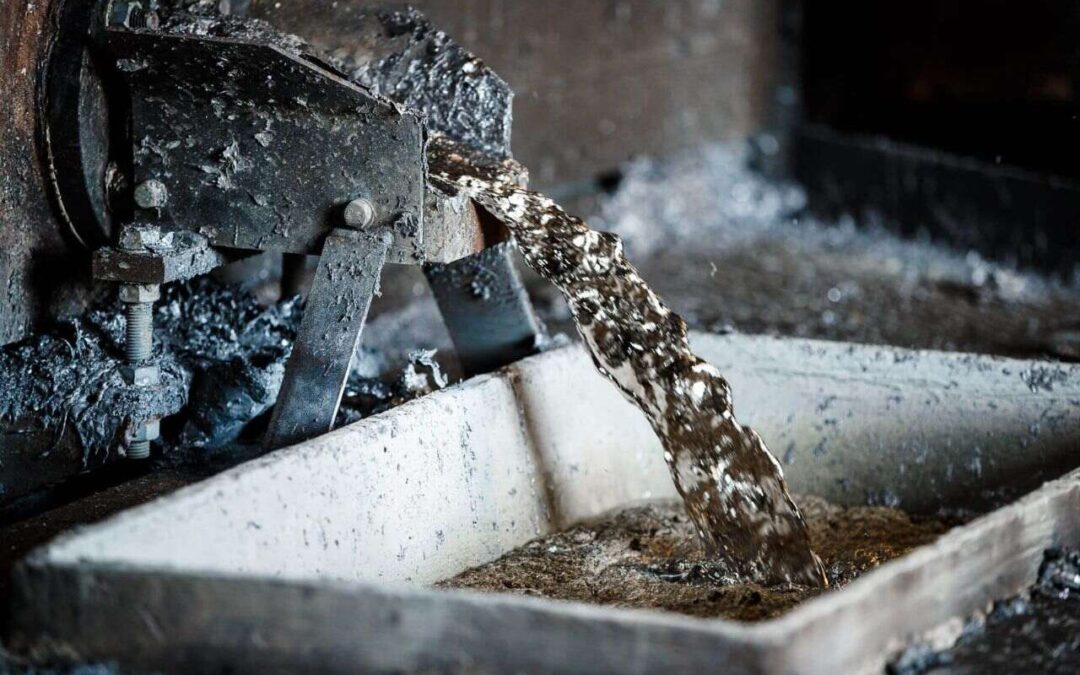
At full utilisation, the plant will process nearly 75,000 tonnes of used lead annually, primarily sourced from spent automotive batteries. That matters because recycled lead production is significantly cheaper and environmentally cleaner compared to primary lead smelting from mined ore. Every tonne of recycled lead reduces dependence on imported mined lead while also lowering carbon emissions substantially versus traditional mining-based refining.
Why The Timing Matters
The timing of the expansion is particularly important. India’s automotive battery replacement cycle is now accelerating rapidly as vehicles sold between 2024 and 2026 increasingly enter peak battery replacement age. That creates a rising supply of lead-acid battery scrap across the country.

At the same time, India’s EV ecosystem is also beginning to generate an entirely new future opportunity: lithium-ion battery recycling. While lead-acid batteries still dominate automotive replacement demand today, EV adoption will eventually create large lithium-ion scrap streams over the next decade. That is where companies like Gravita India could potentially evolve from traditional lead recyclers into broader multi-metal recycling platforms.
The company already operates recycling facilities across India, Ghana, Tanzania, Senegal, Mozambique, and Togo with a total group recycling capacity of nearly 2.7 lakh MTPA across lead, aluminium, plastic, and paper recycling businesses.
Why Investors Are Watching The Stock Closely
The stock itself presents an interesting contrast. Over the last five years, Gravita India has delivered nearly 1,423% returns, making it one of the strongest long-term performers within India’s listed manufacturing and recycling space. But over the last year, the stock has corrected sharply, declining more than 21%.

The reason largely comes down to concerns around margin compression and global lead-price volatility. Lead recyclers earn margins based on the spread between scrap battery prices and refined lead prices. In recent quarters, scrap battery costs rose sharply alongside strong automotive demand, compressing industry spreads.
That means higher capacity alone does not automatically guarantee higher profitability. What management appears to be signalling through this expansion is confidence that long-term recycling volumes and operating leverage will outweigh temporary margin pressures.
The Bigger Structural Opportunity
The broader recycling opportunity may extend far beyond traditional lead processing alone. India is gradually moving toward a circular-materials economy where battery scrap, industrial waste, and metal recovery are becoming strategically important sectors linked to energy transition and resource security. Alongside automotive battery replacements and industrial demand, future lithium-ion battery recycling could emerge as a major long-term growth driver as EV adoption scales across India over the next decade.
Market Takeaway
Gravita India’s Jaipur expansion highlights how India’s recycling sector is gradually moving into a larger structural growth phase driven by battery replacement demand, resource security, and future EV recycling opportunities. The near-term challenge remains margin recovery amid volatile scrap and lead prices.
But the longer-term story increasingly revolves around scale, recycling infrastructure, and the transition toward a circular metals economy. The next few quarters will likely determine whether the current expansion cycle translates into stronger utilisation, improving spreads, and the next phase of growth beyond traditional lead recycling alone.
Year-on-Year analysis: Revenue from operations has increased from ₹3,869 crores in FY25 to ₹4,265 crores, up 10.25% in FY26, with reported operating and net profit being ₹435 crores and ₹378 crores for the same period.
Quarter on Quarter analysis: Revenue from operations has increased from ₹1,107 crores to ₹1,173 crores, up 5.47% for March Q4’FY26, with reported operating and net profit being ₹113 crores and ₹92 crores for the same period. The company reported an ROCE of 17% and an ROE of 16%, and the company has a debt-to-equity ratio of 0.30.
Disclaimer: The views and investment tips expressed by investment experts/broking houses/rating agencies on tradebrains.in are their own, and not that of the website or its management. Investing in equities poses a risk of financial losses. Investors must therefore exercise due caution while investing or trading in stocks. Trade Brains Technologies Private Limited or the author are not liable for any losses caused as a result of the decision based on this article. Please consult your investment advisor before investing.