
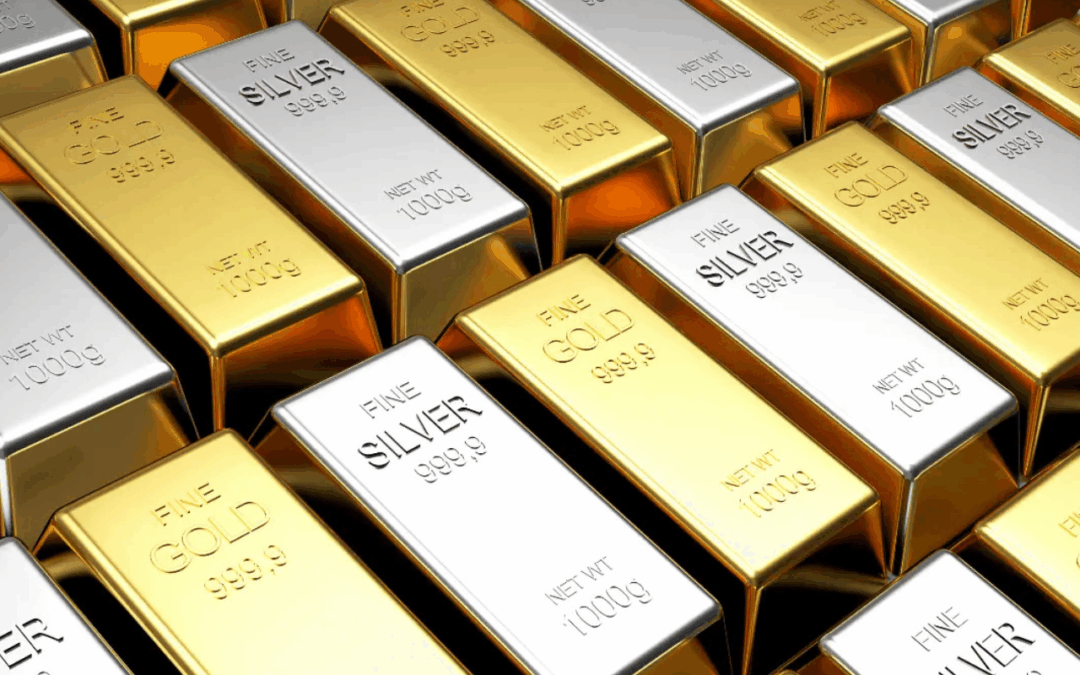
Synopsis: A U.S.-brokered ceasefire between Israel and Lebanon, paired with a softening dollar, pulled MCX gold back above Rs. 1,59,366 per 10 grams and silver futures to Rs. 2,63,711 per kilogram on June 4; with institutional forecasts ranging from $81 to $110 per ounce for silver, the near-term outlook hinges on Friday’s U.S. non-farm payrolls print.
A diplomatic shift in the Middle East put precious metals back on the radar on Thursday. The Trump administration’s announcement of a ceasefire between Israel and Lebanon, combined with a House resolution blocking direct military action against Iran, drained some of the geopolitical risk premium from energy markets. Crude oil cooled. The U.S. Dollar Index eased. And with a softer dollar making dollar-denominated metals cheaper for overseas buyers, both spot gold and silver staged an intraday recovery.

On the Multi Commodity Exchange, gold contracts for August delivery climbed back above the psychologically significant Rs. 1.59 lakh threshold, settling near Rs. 1,59,366 per 10 grams. Silver futures for July delivery advanced to Rs. 2,63,711 per kilogram. Retail over-the-counter prices across Indian metros reflected slightly higher levels, with 24K gold averaging Rs. 15,621–15,636 per gram in Mumbai and Delhi, while Chennai maintained its structural premium at Rs. 15,817 per gram. Physical 999 silver was quoted firmly between Rs. 2,80,000 and Rs. 2,90,000 per kilogram.
Silver’s sharper intraday recovery relative to gold was not incidental. The metal occupies a dual position: it is simultaneously a safe-haven asset and a critical industrial input used in solar panels, EV components, and, increasingly, AI data centre infrastructure. On days when geopolitical fear recedes, gold cedes ground first; silver tends to hold, supported by improving industrial sentiment.

This dynamic is reflected in year-on-year data that puts the current rally in context. Domestic silver prices, now trading in the Rs. 2.76–2.80 lakh per kilogram range at their recent peak, represent a 175 percent surge from June 2025 levels, when the benchmark hovered near Rs. 1 lakh per kilogram. That reset was driven largely by the U.S.–Iran conflict flare-ups earlier in the year, which repriced safety assets structurally not just temporarily.
Institutional Outlook
Major global institutions have placed sharply divergent but uniformly bullish targets on silver for the second half of 2026. Reuters’ analyst consensus sits around $79.50 per ounce, reflecting steady industrial demand and baseline inflation. J.P. Morgan has projected $81.00 per ounce, citing structural global supply deficits and strong retail buying. Goldman Sachs has put a range of $85–$100 per ounce on the table, anchored by green energy transition applications and tech infrastructure build-out.

The most aggressive call comes from Citigroup, which has flagged a price as high as $110 per ounce in H2 2026. The bank attributes this scenario to severe physical shortages compounded by surging demand from AI infrastructure and data centre expansion, a demand vector that did not exist at meaningful scale even two years ago.
For gold, the technical picture has global spot prices lodged between key levels: immediate support sits at the $4,400 zone, while a clean break above $4,600 would be needed to confirm a continuation of the broader uptrend.
Policy Moves at Home: RBI Clarifies, Government Tightens
On the domestic policy front, two developments deserve attention. The Indian government tightened import guidelines specifically for silver in powder and grain forms as a targeted measure to reduce non-essential inflows and contain pressure on the rupee after import duties on the metal were raised to 15 percent.

Separately, the Reserve Bank of India moved to quash a market rumour that had briefly unsettled sentiment. Reports circulating in sections of the financial press had claimed the RBI sold $12 billion worth of gold reserves to support its forex asset base. The central bank categorically denied this, confirming its gold holdings remain unchanged at 880.52 tonnes.
What to Watch
The next directional trigger for both metals arrives Friday with the U.S. non-farm payrolls report. A stronger-than-expected jobs number would give the Federal Reserve more latitude to hold rates elevated, a scenario that historically pressures non-yielding assets like gold and silver. A soft print, on the other hand, would reinforce rate-cut expectations and likely extend this week’s recovery.
Disclaimer: The views and investment tips expressed by investment experts/broking houses/rating agencies on tradebrains.in are their own, and not that of the website or its management. Investing in equities poses a risk of financial losses. Investors must therefore exercise due caution while investing or trading in stocks. Trade Brains Technologies Private Limited or the author are not liable for any losses caused as a result of the decision based on this article. Please consult your investment advisor before investing.