
Synopsis: Domestic steel prices have climbed to their highest levels in nearly three years, supported by strong infrastructure demand, improving domestic consumption, and trade protection measures. The development is expected to benefit major steel producers such as Tata Steel, JSW Steel, SAIL, and Jindal Steel & Power through improved realizations and stronger profitability.
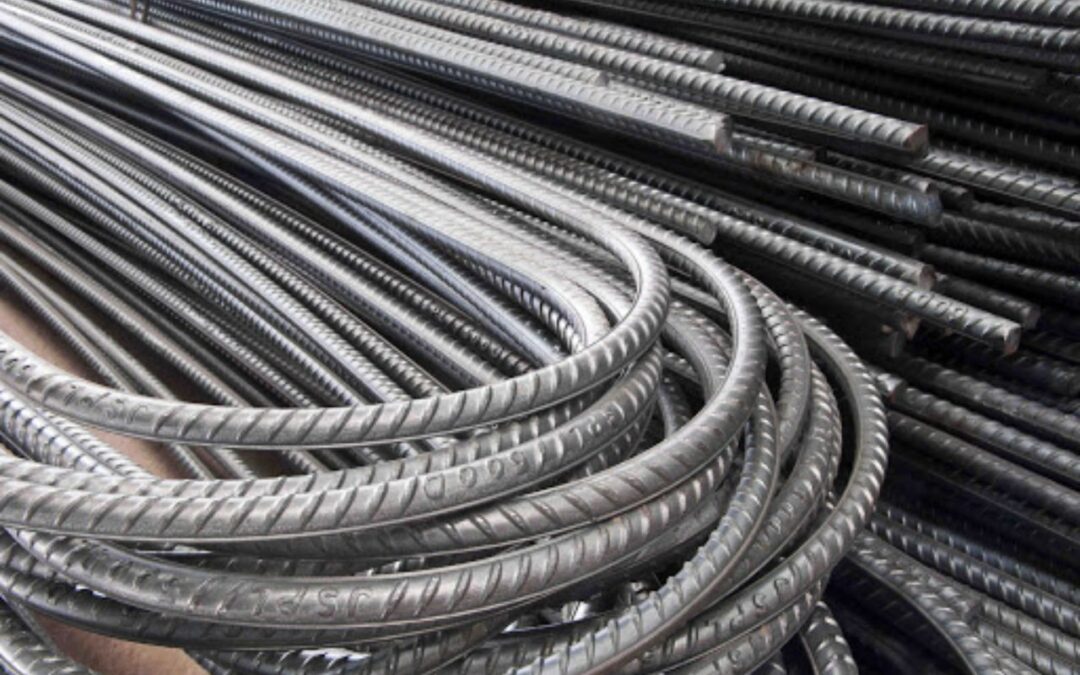
Steel stocks have come back into focus after domestic steel prices surged to their highest levels in nearly 3 years. The price increase comes amid robust infrastructure activity, strong demand from construction and manufacturing sectors, and government measures aimed at protecting domestic producers from low-cost imports.

The rally in steel prices is significant because even a modest increase in realizations can have a substantial impact on the profitability of steel manufacturers. Since most operating costs remain relatively fixed in the short term, higher steel prices often translate into stronger margins and earnings growth.
Why are steel prices rising?
Domestic steel prices have been supported by a combination of demand-side and supply-side factors. Government-led infrastructure spending, railway projects, highways, renewable energy installations, and construction activity have continued to drive steel consumption across the country.

At the same time, concerns over cheap imports from countries such as China and Vietnam have led policymakers to consider protective measures for domestic producers. Lower import pressure has helped local steel manufacturers improve pricing power and maintain healthier market conditions.
Industry estimates suggest India’s steel demand could continue growing at 8-10 percent annually, significantly outpacing many developed economies and supporting long-term pricing trends.

Key Benificiearies
Among listed players, Tata Steel and JSW Steel are expected to be among the biggest beneficiaries of rising steel prices due to their large production capacities and integrated operations.
Tata Steel currently has a crude steel production capacity of over 35 million tonnes per annum across global operations. Higher domestic steel realizations can significantly improve profitability, particularly as the company continues focusing on debt reduction and operational efficiency.
JSW Steel, India’s largest private steel producer with domestic capacity exceeding 35 million tonnes, is also well-positioned to benefit from improved pricing. The company has been aggressively expanding capacity and strengthening its market share in value-added steel products.

SAIL and Jindal Steel & Power also stand to gain
Public sector giant Steel Authority of India Limited (SAIL) could witness improved earnings as higher steel prices directly boost revenue realizations across its product portfolio. The company remains one of India’s largest steel producers and has significant exposure to domestic infrastructure demand.
Jindal Steel & Power (JSPL) may also benefit from stronger steel prices due to its integrated steel and power operations. Higher realizations can improve operating leverage and support margin expansion. Steel manufacturing is a high fixed-cost business. Once plants operate at optimal utilization levels, incremental increases in selling prices often flow directly to the bottom line.
For example, if steel prices increase by 5-10 percent while raw material costs remain relatively stable, operating profits can rise at a much faster pace. This is why steel stocks often witness sharp earnings upgrades during periods of rising steel prices. Investors closely monitor spreads between steel prices and raw material costs such as iron ore and coking coal, as these determine overall profitability.
Despite the positive outlook, investors should remain aware of potential risks. Global economic slowdowns, weakening construction demand, rising raw material costs, and a surge in steel imports could pressure margins. Chinese steel production trends will also remain an important factor, as excess global supply can influence international steel prices and domestic market dynamics.
Outlook for the sector
India remains one of the fastest-growing steel markets globally, supported by urbanization, industrialization, infrastructure development, and government capital expenditure programs. The National Infrastructure Pipeline, housing projects, railways, roads, and renewable energy investments are expected to sustain steel demand over the coming years.
With steel prices reaching multi-year highs and domestic demand remaining robust, companies such as Tata Steel, JSW Steel, SAIL, and Jindal Steel & Power could continue benefiting from favorable industry conditions. Going forward, steel price trends, raw material costs, capacity expansion plans, and infrastructure spending will remain key factors influencing the sector’s growth prospects.
Disclaimer: The views and investment tips expressed by investment experts/broking houses/rating agencies on tradebrains.in are their own, and not that of the website or its management. Investing in equities poses a risk of financial losses. Investors must therefore exercise due caution while investing or trading in stocks. Trade Brains Technologies Private Limited or the author are not liable for any losses caused as a result of the decision based on this article. Please consult your investment advisor before investing.