
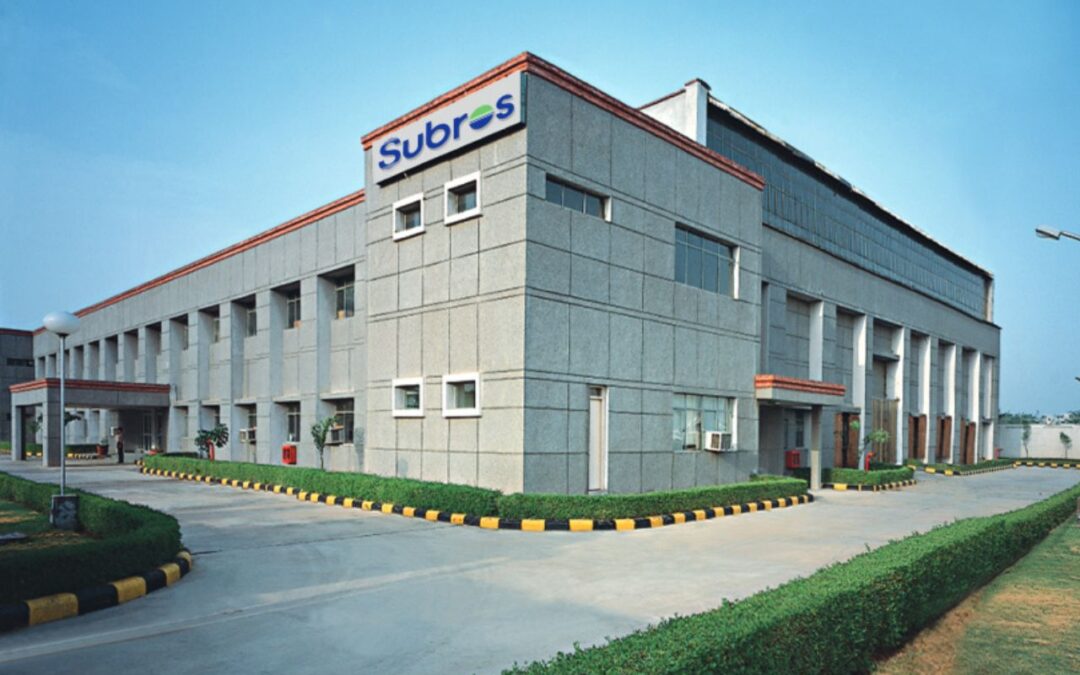
Synopsis: With around 41% market share in passenger vehicle air-conditioning systems and FY26 revenue of Rs.3,755 crore, up 11.52%, the company is leveraging its leadership position to expand beyond conventional auto AC systems. Investments in EV thermal management, electric compressor localization, capacity expansion, and new mobility applications could create additional growth drivers as electrification and advanced thermal solutions gain importance.
The automotive industry is undergoing a significant transformation as electrification, hybrid technologies, and advanced vehicle architectures reshape component demand. Thermal management is becoming increasingly important in this transition, driven by the need for battery cooling, power electronics management, and cabin comfort in next-generation vehicles.

Against this backdrop, investments in EV thermal solutions, electric compressor localization, and capacity expansion are creating opportunities for companies to participate in the evolving mobility ecosystem while building on existing strengths in automotive air-conditioning.
EV Thermal Management Emerging as a Key Growth Driver
One of the most important long-term opportunities for Subros lies in electric and hybrid vehicle thermal management. Unlike conventional vehicles, EVs require sophisticated thermal systems to regulate battery temperatures, cool power electronics, and maintain cabin comfort, all of which can improve battery performance, extend driving range, and enhance safety.

Business from hybrid, electric, and CNG vehicle thermal systems already contributes 25% of total revenue in FY26, reflecting early traction in this transition. Management noted that thermal content per vehicle in EVs is typically 2.5 to 3 times higher than in conventional vehicles, with electric compressors specifically carrying 3.5 to 4 times the value of their ICE equivalents. As EV penetration rises from current low-single-digit levels, the addressable market for thermal management suppliers could expand significantly over the next decade.
Electric Compressor Localization Could Be a Game Changer
A major strategic initiative underway is the localization of electric compressor manufacturing. The company is expanding its Karsanpura facility at a capital outlay of approximately Rs. 175 crore, with commercial production expected to commence in the third quarter of FY28, aligned with customer vehicle launch timelines. The localization plan is structured in three phases, with a long-term target of 70% localization of total components used, which management expects will drive margins well above the initial assembly-phase profile.

The scale of the opportunity is already visible in the order book. During FY26, the company secured a Rs.1,280 crore electric compressor order from Maruti Suzuki, a seven-year program with an estimated annual revenue potential of approximately Rs.250 crore at peak utilization. Given that electric compressors operate independently of the vehicle engine and are central to both battery and cabin thermal regulation, this business carries meaningfully higher value per unit than conventional compressor supply.
Capacity Expansion and New Business Wins Support the Pivot
To support future demand, the company is also investing Rs.150 crore in a greenfield facility at Kharkhoda, designed to serve Maruti Suzuki’s manufacturing hub in the region. Start of production is targeted by end of Q2 FY27, with models such as the Brezza and Vitara among the initial programs. At full utilization expected within two years of the SOP, the facility is projected to add incremental revenue of Rs.200–250 crore. Phase 1 adds 0.5 million units of HVAC and hose-and-tube capacity, with a further 0.5 million planned under Phase 2.
Beyond passenger vehicles, the railway segment is emerging as a meaningful growth vertical. The company holds an executable order book of Rs.52 crore in railways, with management viewing increased infrastructure investment as a structural tailwind for this business.

Strong Market Leadership Provides a Competitive Moat
Subros commands approximately 41% market share in both passenger vehicle AC and truck AC segments and 16% in bus AC, making it India’s largest automotive thermal management company. The commercial vehicle segment has delivered outsized growth recently, with truck AC revenues surging 168% in Q4 FY26 and 111% for the full year to approximately Rs.263 crore, driven by mandatory AC norms for N2 and N3 truck categories. Management expects this to expand further to Rs.325–350 crore in FY27 as the full-year benefit of the regulation flows through.
The company supplies Maruti Suzuki, Tata Motors, Mahindra & Mahindra, Ashok Leyland, and other major OEMs. Its technical collaboration with Japan’s Denso Corporation further strengthens product development capabilities and access to advanced thermal management technologies.
Outlook
Near-term margins are expected to remain under pressure due to elevated commodity prices and a lag in OEM compensation mechanisms, though management remains committed to maintaining absolute EBITDA levels. Over the longer term, electric compressor localization, product premiumization, and new capacity additions could support a sustained march toward double-digit EBITDA margins. With a Rs.1,200 crore order already secured and two major facilities ramping up, is the company’s strategic pivot beginning to show up where it matters most: the order book?
Disclaimer: The views and investment tips expressed by investment experts/broking houses/rating agencies on tradebrains.in are their own, and not that of the website or its management. Investing in equities poses a risk of financial losses. Investors must therefore exercise due caution while investing or trading in stocks. Trade Brains Technologies Private Limited or the author are not liable for any losses caused as a result of the decision based on this article. Please consult your investment advisor before investing.