
Synopsis: The DoT has rejected Trai’s proposal to lower backhaul spectrum charges and retained the existing slab-based pricing framework. The decision keeps network costs elevated for telecom operators at a time when significant investments are being made to expand 4G and standalone 5G infrastructure.
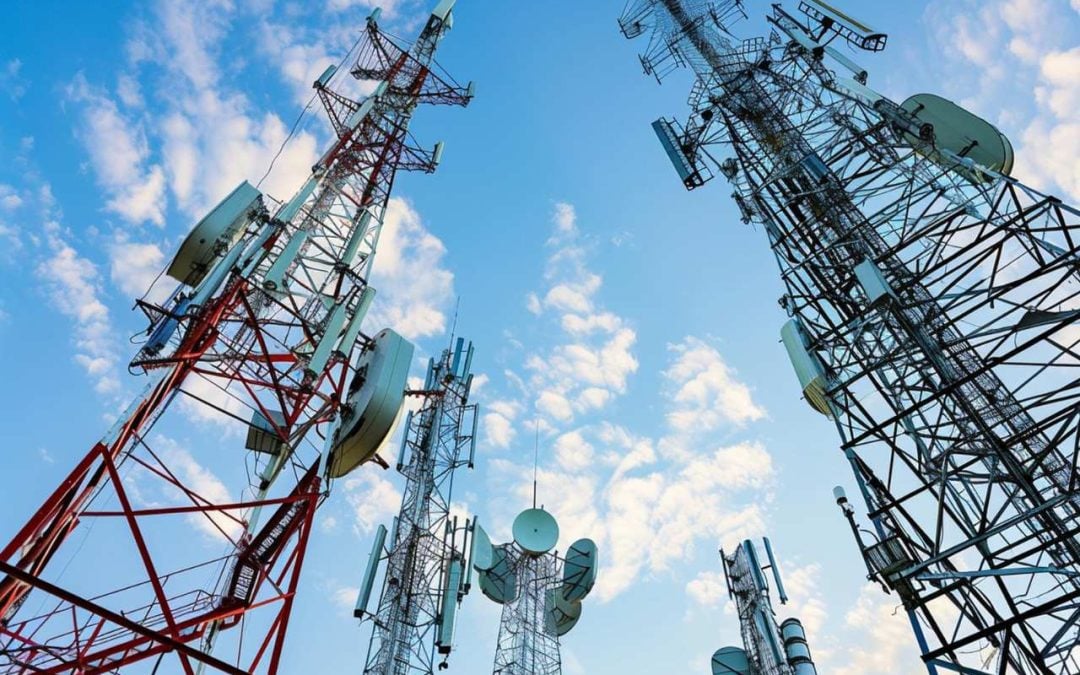
The Indian telecom sector is witnessing rapid growth in data consumption, driving operators to invest heavily in expanding their 4G and standalone 5G networks. A key component of this expansion is backhaul spectrum, which enables the transfer of voice and data traffic between cell towers and core network infrastructure.
In a recent development, the Department of Telecommunications (DoT) decided to retain the existing backhaul spectrum pricing framework, rejecting a proposal that sought significant reductions in these charges. The decision is expected to keep network deployment costs elevated, making telecom operators a key segment to watch.
The DoT’s Decision on Pricing
The Department of Telecommunications (DoT) has decided to retain its existing, slab-based pricing framework for backhaul spectrum. Backhaul spectrum refers to the specific radio frequencies used to wirelessly transport voice and data traffic between individual cell towers and a telecom operator’s central core network.

In doing so, the DoT officially rejected a proposal by the Telecom Regulatory Authority of India (Trai) that aimed to slash these network costs by up to 55%. This decision was solidified in the draft Telecommunications (Administrative Allocation of Spectrum) Rules, 2026, published on June 17, which restored the earlier charging regime instead of adopting the regulator’s recommendations.
Trai’s Rejected Proposal
Trai had strongly advocated for a uniform charge of 0.1% of Adjusted Gross Revenue (AGR) per carrier. This was intended to replace the current progressive slab system, where operators face sharply increasing fees as they add more carriers.

Trai argued that lowering these backhaul costs would significantly improve network economics, encourage telecom companies to deploy more backhaul links, and ultimately boost the overall quality of service for consumers, especially in areas where laying fiber optic cables is economically unviable.
Impact on Telecom Operators
The ruling deals a financial setback to major Indian telecom operators, including Bharti Airtel, Reliance Jio, and Vodafone Idea. Under the sustained slab framework, companies pay 0.15% of AGR for their first backhaul carrier, with costs rising progressively for each subsequent carrier under a weighted-average formula.
Because backhaul spectrum is essential for carrying voice and data traffic between towers and the core network, operators will continue to face a heavy financial burden precisely when mobile data consumption is surging and massive investments are being channeled into expanding 4G and standalone 5G networks.

Stocks to watch
Bharti Airtel Ltd
Bharti Airtel is in focus because it continues to invest aggressively in expanding its 4G and 5G networks. The DoT’s decision to retain higher backhaul spectrum charges could increase network costs, making Airtel’s ability to maintain margins and monetize its growing data consumption a key area for investors to watch.
With a market capitalisation of Rs. 11,63,085 cr, the shares of Bharti Airtel Ltd were trading at Rs. 1908.80 per share, down from its previous close of Rs. 1,916.95 per share.
Reliance Industries Ltd
Reliance Industries, through Reliance Jio, is leading India’s 5G rollout and digital ecosystem expansion. With backhaul spectrum costs remaining elevated, investors will monitor how Jio balances rapid network expansion with profitability while continuing to strengthen its leadership position in the telecom market.
With a market capitalisation of Rs. 17,81,964 cr, the shares of Reliance Industries Ltd were trading at Rs. 1316.80 per share, down from its previous close of Rs. 1,326.55 per share.
Vodafone Idea Ltd
Vodafone Idea remains a closely watched telecom stock as it works to improve network quality and expand 4G and 5G services. The continued burden of backhaul spectrum charges could impact its turnaround efforts, making future subscriber growth, fundraising, and network investments critical factors to track.
With a market capitalisation of Rs. 1,57,205 cr, the shares of Vodafone Idea Ltd were trading at Rs. 14.52 per share, down from its previous close of Rs. 14.84 per share.
Disclaimer: The views and investment tips expressed by investment experts/broking houses/rating agencies on tradebrains.in are their own, and not that of the website or its management. Investing in equities poses a risk of financial losses. Investors must therefore exercise due caution while investing or trading in stocks. Trade Brains Technologies Private Limited or the author are not liable for any losses caused as a result of the decision based on this article. Please consult your investment advisor before investing.