
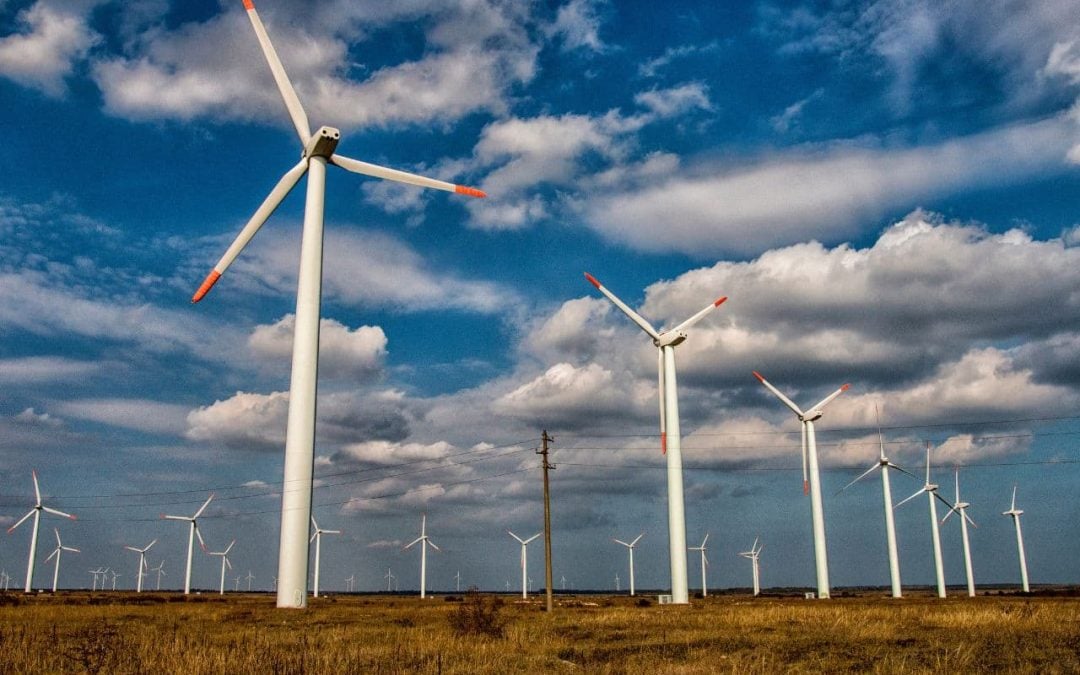
Synopsis: India is accelerating its wind energy ambitions with a target to raise installed capacity by nearly 78% to 100 GW by 2030. The policy push could create significant opportunities for companies spanning wind turbine manufacturing, project development and power transmission.
For a long time, India’s renewable energy story has been shaped mostly by solar power. Wind, even with one of the world’s strongest resource bases, moved at a slower pace because of land acquisition issues, transmission bottlenecks and uneven project execution.

That is starting to change. As India pushes ahead with its clean energy goals and looks to strengthen energy security, wind is once again moving to the centre of the country’s renewable strategy. The government’s target to raise installed wind capacity from 56.09 GW in March 2026 to 100 GW by 2030 – a jump of nearly 78% – points to a new phase of growth for the sector. With record capacity additions, policy support and a stronger domestic manufacturing base, opportunities are likely to open up across the wind energy value chain.
Government’s ambitious roadmap aims to accelerate wind deployment
The Centre has laid out a broad plan to revive and speed up India’s wind energy sector. Along with its targets of 100 GW of installed capacity by 2030 and 156 GW by 2036, the government has approved ₹6,853 crore in Viability Gap Funding for 1,000 MW of offshore wind projects off the coasts of Gujarat and Tamil Nadu. Supportive measures such as dedicated Renewable Purchase Obligations (RPOs), Green Energy Open Access Rules and Round-the-Clock renewable energy projects are also expected to keep demand for wind power strong.

The momentum is already visible. India added a record 6.05 GW of wind capacity in FY26, while another 28 GW of projects are currently under implementation. On the manufacturing side too, the sector is gaining strength, with domestic wind turbine manufacturing capacity rising to around 24 GW a year and localisation levels of 70-80% across key components. That not only improves self-reliance, but also boosts India’s export potential.
Five stocks that could benefit from India’s wind energy push
Suzlon Energy
Suzlon remains India’s largest wind turbine manufacturer and stands to be one of the biggest beneficiaries of rising domestic installations. The company’s strong order book, extensive installed base and leadership in turbine manufacturing position it well as annual capacity additions accelerate. It could also benefit from the repowering of ageing wind farms and the government’s focus on domestic manufacturing.

Inox Wind
Inox Wind is an integrated wind energy solutions provider with capabilities spanning turbine manufacturing, EPC execution and operations and maintenance services. As utility-scale wind projects, hybrid renewable parks and offshore opportunities gather pace, the company could see higher equipment demand and improved capacity utilisation.
JSW Energy
JSW Energy has been rapidly expanding its renewable energy portfolio through wind, solar and energy storage assets. The government’s emphasis on hybrid renewable projects, Round-the-Clock power and offshore wind creates additional growth avenues for the company. Its strong balance sheet also enables participation in large renewable energy auctions.
KPI Green Energy
Initially focused on solar, KPI Green Energy has been steadily expanding into hybrid renewable projects that combine wind and solar generation. As industries increasingly procure renewable power under Green Open Access regulations, demand for hybrid projects is expected to rise, positioning the company to benefit from the evolving renewable energy landscape.

GE Vernova T&D India
Wind capacity expansion cannot happen without corresponding investments in transmission infrastructure. GE Vernova T&D India supplies transformers, substations and grid equipment required for integrating renewable energy into the national grid. The government’s focus on grid modernisation, renewable integration and offshore wind transmission could translate into sustained order opportunities.
The bigger picture
India possesses an estimated wind resource potential of more than 1,160 GW at 150-metre hub height, making it one of the world’s most attractive long-term wind energy markets. While faster execution, transmission expansion and regulatory support remain crucial, the government’s latest policy measures indicate that wind energy is once again becoming a strategic priority.
For investors, the opportunity extends beyond turbine manufacturers. Companies involved in project development, power transmission, hybrid renewable solutions and grid infrastructure could also emerge as key beneficiaries as India’s wind sector enters its next phase of growth.
Disclaimer: The views and investment tips expressed by investment experts/broking houses/rating agencies on tradebrains.in are their own, and not that of the website or its management. Investing in equities poses a risk of financial losses. Investors must therefore exercise due caution while investing or trading in stocks. Trade Brains Technologies Private Limited or the author are not liable for any losses caused as a result of the decision based on this article. Please consult your investment advisor before investing.