
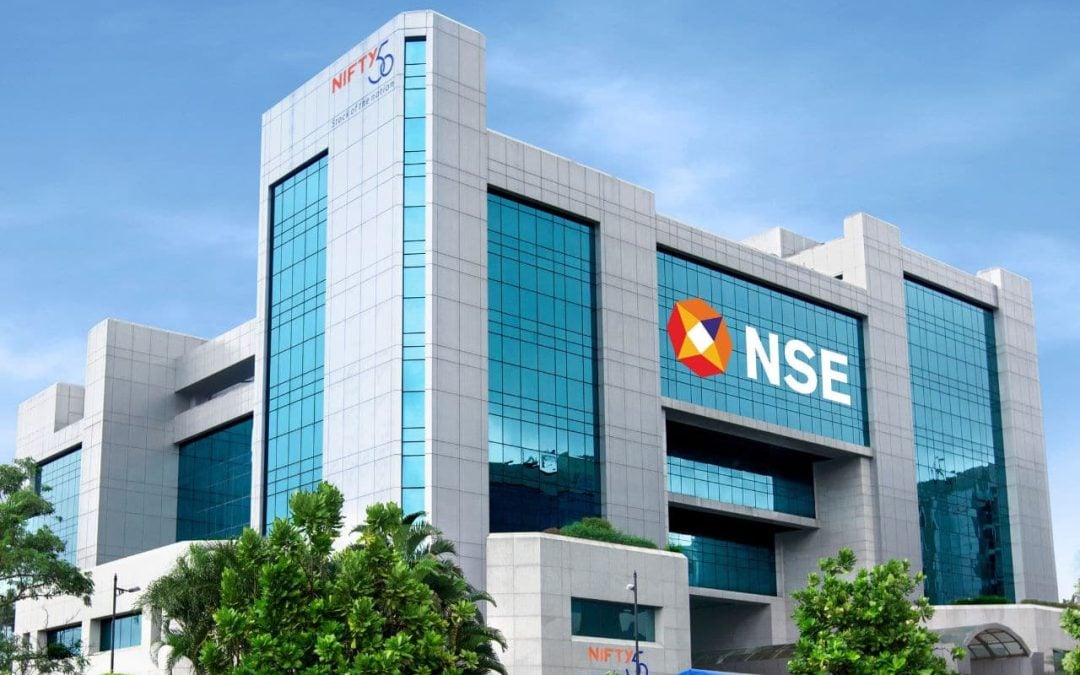
Synopsis: NSE will launch Indian Natural Gas futures from July 27 after SEBI approval, offering a regulated platform for price risk management. Linked to IGX Dahej prices, the cash-settled contracts will improve domestic price discovery, transparency, and hedging opportunities for gas producers, industries, traders, and investors while reducing reliance on global benchmarks.
The National Stock Exchange (NSE) is set to introduce Indian Natural Gas futures contracts on its commodity derivatives platform from July 27, following approval from the Securities and Exchange Board of India (SEBI). This move marks a significant development in India’s commodity markets, as it will provide an organized exchange-traded platform for participants to manage price risks associated with domestic natural gas prices.

The launch of these futures contracts is expected to improve transparency, enhance price discovery, and offer market participants a new tool for hedging against fluctuations in natural gas prices. The initiative will benefit industries, traders, and investors by creating a regulated avenue to participate in the growing Indian natural gas market while supporting the country’s evolving energy sector.
India’s Domestic Natural Gas Benchmark
The new cash-settled natural gas contracts will be linked to prices discovered at the Indian Gas Exchange (IGX) Gujarat (Dahej) delivery hub. This will establish a domestic reference price for natural gas, reflecting Indian market conditions and providing a reliable benchmark for traders and businesses.

The contracts will enable market participants to hedge against fluctuations in domestic gas prices more efficiently. By using an Indian benchmark instead of international indices, these instruments will improve price transparency, reduce external market dependency, and support better risk management in the natural gas sector.
Contract Specifications and Trading Details
The natural gas futures contracts will have a trading unit of 250 mmBtu, with prices quoted in rupees per mmBtu on a gross calorific value (GCV) basis. Trading sessions will run from 9:00 am to 11:30 pm, extending up to 11:55 pm during periods aligned with US daylight saving time.

These contract features are designed to provide flexibility and wider participation for market players. The standardized trading size and extended market hours will help participants manage price risks effectively while aligning domestic gas trading with global market timings.
As per the exchange circular released on Wednesday, monthly contracts will be offered, with the initial set covering expiries from August 2026 through July 2027. Subsequently, new monthly contracts will be added each month, gradually extending the available maturity period up to June 2028.
Cash Settlement Mechanism
The contracts will be settled on a cash basis, with the final settlement price determined using the monthly weighted average price of actual deliveries executed on the Indian Gas Exchange during the respective contract month.

Settlement Price Calculation
For the purpose of calculating the final settlement price, trades executed at ceiling prices, spot LNG (ssLNG) transactions, and long-duration contracts will be excluded. The settlement price will be derived only from eligible delivery-based transactions conducted during the contract month.
Market Benefits
The launch is expected to offer domestic gas producers, city gas distributors, industrial users, power companies, and other market participants an onshore hedging instrument aligned with Indian natural gas prices. This will help participants manage price risks more efficiently by providing a mechanism that reflects domestic market conditions.
Until now, many entities looking to hedge natural gas price exposure have largely depended on international benchmarks, which may not always capture the dynamics of the Indian market. The introduction of Indian Natural Gas futures as a commodity derivative is expected to enhance domestic price discovery and contribute to the growth and maturity of India’s natural gas market ecosystem.
Disclaimer: The views and investment tips expressed by investment experts/broking houses/rating agencies on tradebrains.in are their own, and not that of the website or its management. Investing in equities poses a risk of financial losses. Investors must therefore exercise due caution while investing or trading in stocks. Trade Brains Technologies Private Limited or the author are not liable for any losses caused as a result of the decision based on this article. Please consult your investment advisor before investing.