
Apple’s iPhone 17 Pro Max represents the pinnacle of smartphone engineering—a device crafted with surgical precision, featuring premium materials and a design language that demands to be seen. So why would you hide it behind a bulky case? This is the dilemma facing millions of users who want to preserve that sleek aesthetic while still guarding against the inevitable drops, scratches, and daily wear that come with carrying a thousand-dollar device everywhere.
The question isn’t simply about protection anymore; it’s about whether an ultra thin case can truly deliver meaningful defense without sacrificing the slim profile and tactile experience that made you choose this phone in the first place. For tech-savvy users who upgrade frequently and appreciate minimalist design, the stakes are high.
You want a case that feels like it’s barely there yet performs when it matters most. In this article, we’ll examine whether ultra thin cases have evolved enough to meet the demands of iPhone 17 Pro Max owners or whether going slim means compromising on what counts.
The Rising Demand for Ultra Thin iPhone 17 Pro Max Cases
The shift toward ultra thin cases reflects a broader change in how tech enthusiasts relate to their devices. Users who upgrade annually or biannually don’t just want protection they want to experience the phone as its designers intended. Every millimeter of added thickness feels like a compromise, every gram of extra weight a betrayal of the engineering that went into making the iPhone 17 Pro Max remarkably slim.
An ultra thin case for iPhone 17 Pro Max appeals precisely because it promises to preserve that naked-phone feel while adding a functional layer of defense. The minimalist aesthetic isn’t just visual; it’s tactile. These users want to slide their phone into a pocket without resistance, grip it comfortably in one hand, and maintain the device’s natural proportions. However, the traditional trade-off has always been stark: go thin and accept vulnerability, or bulk up and lose the design.
Today’s market is challenging that binary. Advances in materials science and case engineering mean that thinness no longer automatically equals fragility—though not every slim case delivers equally on this promise. The key lies in understanding which features separate a genuinely protective ultra thin case from one that’s merely decorative.
Evaluating Protection: Is Drop Protection Possible in a Slim Case?
The fundamental question most buyers ask is whether a case measuring barely a millimeter thick can actually protect against real-world drops. Drop protection isn’t a vague promise it’s a measurable standard. Military-grade certification (MIL-STD-810G) requires a device to survive drops from approximately four feet onto hard surfaces, and increasingly, premium ultra thin cases are meeting or approaching this benchmark.
The secret lies not in thickness but in how materials absorb and distribute impact energy. When a phone hits the ground, force concentrates at the point of contact. A well-engineered slim case redirects that energy across its entire surface area, reducing the stress on any single point. This means drop protection in an ultra thin case depends less on padding and more on intelligent structural design internal honeycomb patterns, micro air cushions at corners, and flexible materials that bend rather than crack on impact.
Key Materials and Technologies for Impact Resistance
Modern ultra thin cases leverage materials that were unavailable just a few years ago. Polycarbonate provides rigid structural integrity at minimal thickness, while thermoplastic polyurethane (TPU) offers flexible shock absorption along edges and corners where impacts most commonly occur. Some manufacturers incorporate semi-flexible polymers that harden momentarily upon sudden impact similar in concept to non-Newtonian fluids.
Equally important are design elements that don’t add bulk: raised lip edges of just 0.5mm around the camera module and screen create a critical buffer zone, preventing direct contact with flat surfaces during face-down drops. Corner air-pocket technology, where tiny cavities compress on impact to cushion the blow, adds virtually no thickness while dramatically improving survivability. The combination of these approaches means that a case under 1.5mm thick can genuinely deliver meaningful drop protection rather than serving as a glorified skin.
MagSafe Compatibility: The Critical Role of Magnetic Alignment
For iPhone 17 Pro Max owners invested in Apple’s ecosystem, MagSafe compatibility isn’t optional—it’s essential. The convenience of snap-on charging, wallet attachments, and car mounts depends entirely on precise magnetic alignment between your case and these accessories.
An ultra thin iPhone 17 Pro Max case that disrupts this connection defeats the purpose of Apple’s integrated accessory system. The challenge for case manufacturers is embedding a sufficiently strong magnet array within an ultra-slim profile without adding noticeable bulk. Premium cases solve this by using N52-grade neodymium magnets arranged in the exact ring pattern Apple specifies, ensuring that charging coils align perfectly and accessories lock into place with satisfying confidence.
When magnetic alignment is even slightly off, you’ll notice slower wireless charging speeds, accessories that slide or detach unexpectedly, and frustrating repositioning every time you set your phone on a charger. The best slim cases maintain full MagSafe strength typically around 1,200 grams of holding force—while keeping the overall case thickness under 1.5mm. This means you shouldn’t have to choose between a case that feels invisible and one that works seamlessly with every MagSafe accessory you own.
How to Test and Verify MagSafe Functionality
Before committing to any ultra thin case, verify its MagSafe performance through a few straightforward checks. First, attach your MagSafe charger through the case and confirm it snaps firmly into position without sliding—you should feel a distinct magnetic click rather than a vague attraction. Second, hold the phone vertically with only the charger attached; if the charger stays locked without slipping, alignment and magnet strength are adequate.
Third, test with a MagSafe wallet or card holder by shaking the phone gently—a properly aligned case will hold accessories securely through moderate movement. Finally, monitor your charging speed: a well-aligned case should deliver the full 15W MagSafe charging rate, which you can verify through battery widgets or settings.
If charging drops to 7.5W, the case is likely interfering with coil positioning. Look for cases that explicitly advertise MagSafe certification rather than simply “magnet compatible,” as certified products undergo Apple’s own testing protocols for alignment accuracy and magnetic strength.
Case Study: Analyzing the TORRAS Ultra Thin Case for iPhone 17 Pro Max
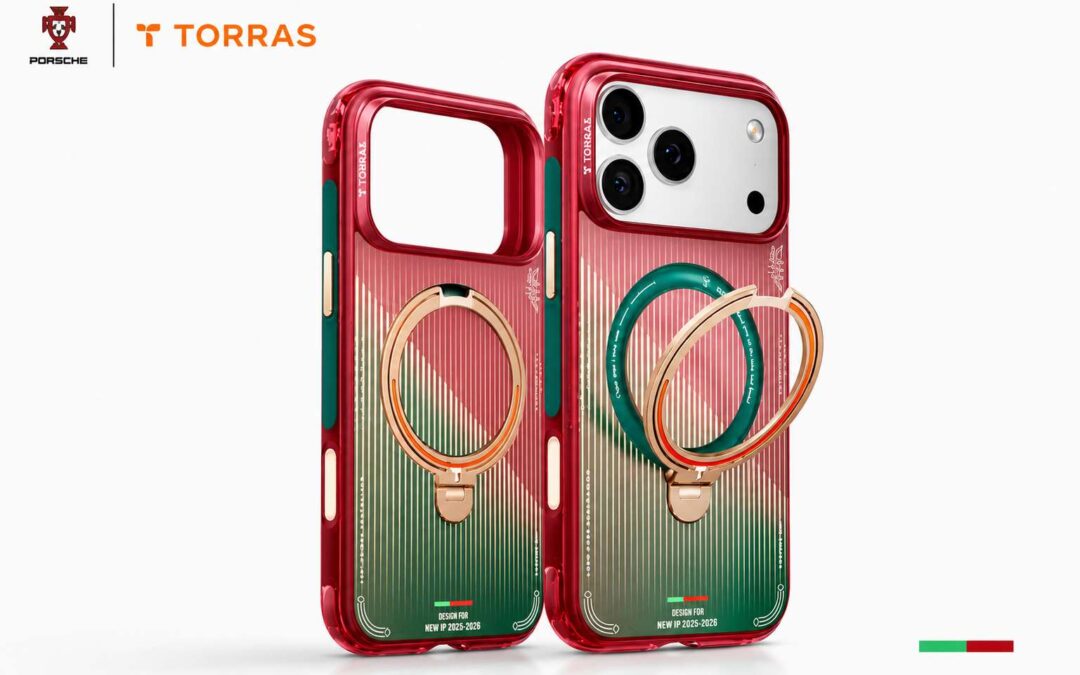
To understand how these principles translate into a real product, consider the TORRAS case as a practical example of what a well-executed ultra thin iPhone 17 Pro Max case looks like in practice. At under 1.5mm thick, it maintains the iPhone 17 Pro Max’s original silhouette while incorporating the structural innovations discussed earlier precision-cut raised edges around the camera and display, corner reinforcement zones, and a material blend that resists both scratches and impact force.
What makes this case particularly relevant for this discussion is its approach to MagSafe integration. Rather than treating magnets as an afterthought, the case embeds a full N52 magnet array that maintains strong magnetic alignment with chargers, wallets, and mounts without adding perceptible thickness.
Users report that accessories snap on with the same confidence as they would on a naked phone. The grip texture is another thoughtful detail—subtle enough to preserve the minimalist look while preventing the slippery feel that plagues many ultra thin cases.
For tech-savvy buyers who want a reference point when evaluating slim cases, the TORRAS case illustrates the benchmark: genuine drop protection, seamless MagSafe functionality, and a profile that respects the phone’s design rather than fighting against it.
Step-by-Step Solution: Choosing the Right Ultra Thin Case for Your Needs
Selecting the ideal ultra thin case for iPhone 17 Pro Max requires a systematic approach rather than impulse buying based on looks alone. Start by honestly assessing your protection priorities against your thinness preference if you frequently drop phones or work in active environments, prioritize cases with certified drop ratings even if they add an extra fraction of a millimeter.
Next, check for verified drop protection certifications; look specifically for MIL-STD-810G testing or equivalent third-party lab results rather than vague marketing claims. Third, verify MagSafe compatibility by reviewing magnetic alignment specifications cases should explicitly state N52 magnet grade and Apple-certified MagSafe ring positioning to guarantee full 15W charging and secure accessory attachment.
Fourth, read hands-on reviews from users with similar priorities and compare established brands against newcomers, paying attention to long-term durability feedback rather than just first-impression aesthetics. Finally, consider secondary features that enhance daily usability: a micro-texture finish prevents slipping without adding bulk, color options let you personalize without resorting to skins, and precise cutouts ensure button responsiveness remains unchanged. The right case should feel like a deliberate enhancement to your iPhone 17 Pro Max experience, not a compromise you tolerate.
Slim Protection That Delivers When It Matters Most
An ultra thin case can absolutely be enough for your iPhone 17 Pro Max but only when it’s built with intention rather than just stripped of material. The cases worth your investment combine certified drop protection through intelligent material engineering, precise magnetic alignment that preserves full MagSafe functionality, and a profile slim enough to honor the phone’s original design.
The days of choosing between protection and aesthetics are genuinely behind us, provided you approach the selection process with the same discernment you applied when choosing the iPhone 17 Pro Max itself. For tech-savvy users who refuse to compromise, the answer lies in evaluating specific credentials—verified drop ratings, N52 magnet arrays, raised edge measurements rather than trusting marketing language alone.
Products like the TORRAS case demonstrate that this balance is achievable today, not someday. Ultimately, the best ultra thin case is one you forget you’re using until the moment it saves your phone from a four-foot fall onto concrete. That’s the standard worth holding out for: invisible until it matters.
