
Synopsis: Crude oil prices slid to around $73.4 per barrel on Tuesday — their lowest in nearly three month after Washington granted Iran a 60-day oil sales licence amid advancing peace negotiations, while the Indian rupee steadied near 94.6 against the dollar, caught between falling crude tailwinds and mounting pressure from rising US interest rate expectations.
Two of the most closely watched macro variables for India’s economy and equity markets moved in tandem on Tuesday, telling a story of competing forces that leaves the near-term outlook for both oil and the rupee finely balanced.

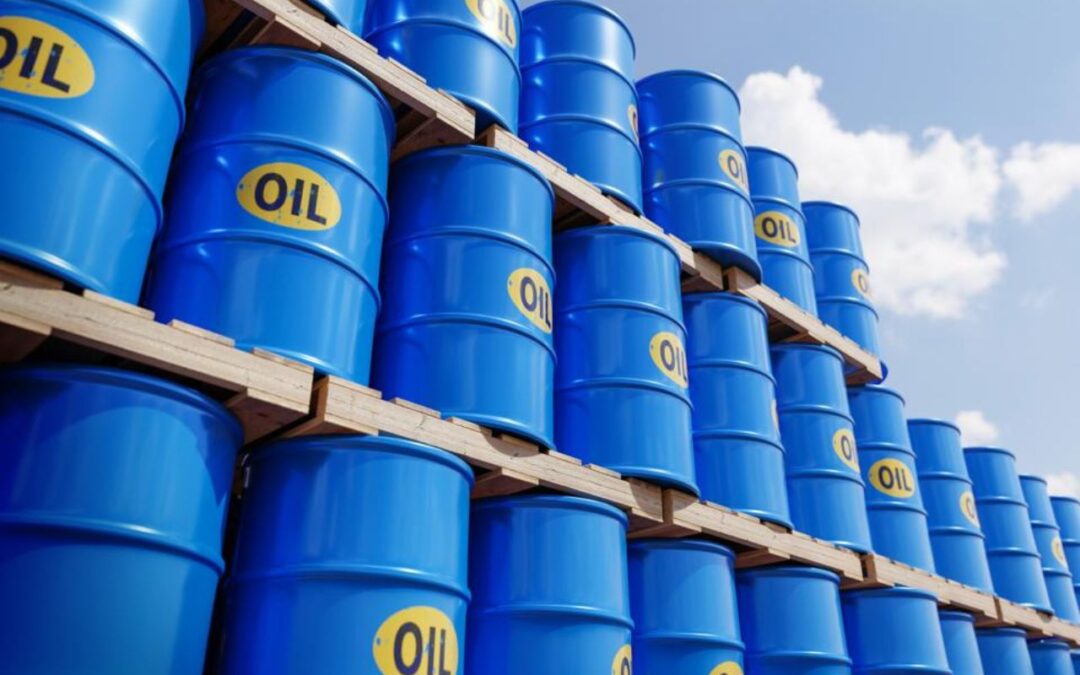
Crude oil extended its decline for a second consecutive session, with WTI falling to approximately $73.4 per barrel the weakest print in nearly three months as diplomatic momentum between Washington and Tehran shifted market sentiment decisively toward an easing of Middle East supply risk. The trigger was a consequential policy move by the US government: a 60-day licence granted to Iran to sell crude oil on international markets, a development that markets interpreted as a meaningful step toward normalising Iranian supply flows that have been constrained by years of sanctions.
Brent crude, the international benchmark more directly relevant to Indian import costs, held just above $77 per barrel but has shed over 20% on a year-to-date basis, representing a significant terms-of-trade improvement for oil-importing nations like India.

The physical market is already reflecting this shift. Traffic through the Strait of Hormuz the critical chokepoint through which roughly a fifth of global oil supply transits has picked up noticeably, with regional producers including Kuwait and the UAE using alternative export routes to maximise throughput. Iran itself reportedly shipped over 30 million barrels in the past week alone, a pace that, if sustained, would add materially to global supply in the coming months. Saudi Arabia, meanwhile, ramped crude production to approximately 7,010 thousand barrels per day in May 2026, up from 6,879 thousand barrels per day the prior month, adding further weight to the supply-side picture.
Yet the diplomatic narrative carries significant caveats. Iranian media reports directly contradicted US Vice President JD Vance’s claim that Tehran had agreed to allow nuclear inspectors to return to the country a contradiction that underscores how fragile the current rapprochement remains. Any breakdown in US-Iran talks, a provocation in the Strait of Hormuz, or an escalation of Iran’s nuclear programme could rapidly reverse the supply optimism that is currently pressuring prices, making a sharp oil price rebound a credible tail risk that buyers of physical crude and energy equities cannot ignore.

Rupee: Crude Tailwind Meets Fed Headwind
The Indian rupee found tentative footing around 94.6 per dollar on Tuesday, stabilising after losses in the prior session as falling oil prices provided a natural cushion. For India, crude oil is the single largest import item, and every sustained $10 per barrel decline in Brent is estimated to reduce the current account deficit by approximately $12-15 billion annually, easing pressure on the rupee from the trade balance side. Increased exporter hedging activity with Indian exporters converting dollar receivables into rupees at more favourable levels also provided support during the session.
However, the rupee’s recovery is operating against a difficult structural backdrop. The US Federal Reserve’s policy trajectory has become the dominant concern for currency markets globally, and India is no exception. With US inflation running at 4.2% in May 2026 well above the Fed’s 2% target and futures markets assigning roughly a 75% probability to another rate hike by September, the dollar is drawing sustained support from yield differentials. Rising US Treasury yields make dollar-denominated assets relatively more attractive, pulling capital away from emerging market currencies including the rupee. The USDINR has depreciated approximately 10.4% over the past year, reflecting this sustained pressure.
India’s own monetary parameters offer limited near-term relief. The Reserve Bank of India’s benchmark rate stands at 5.25%, while domestic inflation reached 3.93% in May 2026. The RBI has room to remain accommodative relative to global peers, but any aggressive rate cuts risk widening the interest rate differential with the US further and accelerating rupee weakness a dilemma that constrains policymakers on both sides of the equation.

The confluence of lower crude and a somewhat stable rupee, if sustained, carries meaningful positive implications for India’s macro and equity landscape. Lower oil import costs ease the fiscal burden on fuel subsidies, reduce input cost pressures for manufacturing and logistics sectors, and create space for the RBI to maintain a growth-supportive monetary stance. Sectors most directly sensitive to this dynamic include aviation, paints, tyres, chemicals, and fast-moving consumer goods all of which benefit from softer crude through lower raw material and transportation costs.
The risk scenario, however, is that the Iran deal collapses, oil rebounds toward $85-90 per barrel, and the Fed delivers another 25 basis point hike a combination that would compress the rupee toward 97-98 and reignite inflationary pressures that Indian policymakers had only recently begun to contain.
Disclaimer: The views and investment tips expressed by investment experts/broking houses/rating agencies on tradebrains.in are their own, and not that of the website or its management. Investing in equities poses a risk of financial losses. Investors must therefore exercise due caution while investing or trading in stocks. Trade Brains Technologies Private Limited or the author are not liable for any losses caused as a result of the decision based on this article. Please consult your investment advisor before investing.